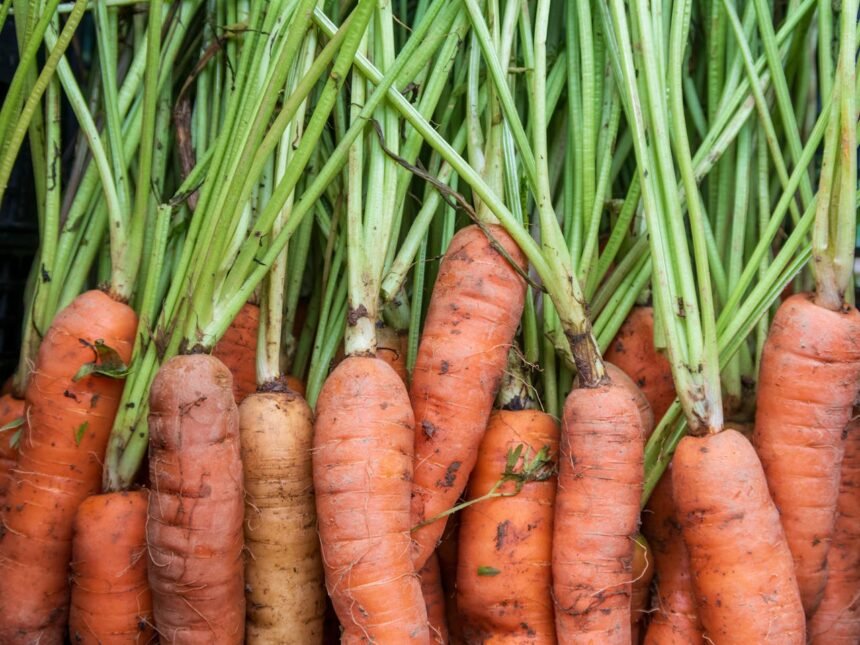
Growing carrots (Daucus carota) is one of the most rewarding pursuits for the British gardener. Whether you have a sprawling allotment or a modest collection of containers on a patio, the taste of a freshly harvested carrot—crisp, sweet, and earthy—far surpasses anything available in a supermarket.
While they are a staple of the British diet, successfully cultivating straight, pest-free roots requires specific knowledge of soil science, climate management, and pest control.
This article provides an exhaustive, evidence-based guide to growing carrots in the UK, covering everything from soil preparation and variety selection to nutritional benefits and storage.
Overview and Nutritional Profile
Carrots are root vegetables belonging to the Apiaceae family. While we typically associate them with the colour orange, they were originally purple or yellow. Selective breeding, largely in the 17th century, stabilised the orange carotene-rich varieties we know today.
From a health perspective, carrots are a nutritional powerhouse. They are particularly noted for their high content of beta-carotene, an antioxidant that the human body converts into vitamin A. This is crucial for maintaining healthy vision, immune function, and skin health.
According to Healthline, carrots are also a good source of several B vitamins, vitamin K, and potassium. Below is a breakdown of the key nutrients found in raw carrots.
Nutritional Breakdown (per 100g raw)
| Nutrient | Amount | % Daily Value (approx) |
|---|---|---|
| Calories | 41 | – |
| Water | 88% | – |
| Protein | 0.9 g | – |
| Carbs | 9.6 g | – |
| Sugar | 4.7 g | – |
| Fibre | 2.8 g | 11% |
| Fat | 0.2 g | – |
Dietary fibre, specifically pectin, helps lower blood sugar levels by slowing down the digestion of sugar and starch. For gardeners, this means you are not just growing food; you are cultivating a significant source of daily nutrition.
Factors for Success: Soil and Climate
Successfully growing carrots in the UK depends heavily on understanding the environmental factors that influence root development. The UK climate, with its cool springs and moderate summers, is generally ideal for root vegetables, provided specific soil conditions are met.
1. Soil Composition and Structure
The most critical factor is soil structure. Carrots require light, sandy, and free-draining soil. Heavy clay soils or ground containing stones can obstruct the taproot as it grows downwards, causing the carrot to fork or become misshapen.
If your garden soil is heavy clay, experts recommend growing short-rooted varieties or utilising raised beds where you can control the substrate. According to the Royal Horticultural Society (RHS), incorporating organic matter is beneficial, but it must be well-rotted. Fresh manure should be avoided as it releases excessive nitrogen, which can cause roots to fork and encourage excessive leafy top growth at the expense of the edible root.
2. pH Levels
Carrots prefer a slightly acidic to neutral soil pH, ideally between 6.0 and 6.8. Testing your soil before sowing is a prudent step. If the soil is too acidic, applying garden lime during the winter prior to sowing can adjust the balance. Conversely, very alkaline soils may lock up micronutrients like manganese.
3. Sunlight and Temperature
While carrots can tolerate partial shade, they thrive best in an open, sunny site. The soil temperature must be at least 7°C to 10°C for germination to occur, which is why sowing in the UK is typically delayed until late March or April, depending on your latitude and local microclimate.
Selecting the Right Variety
In the UK, carrot varieties are generally categorised by their harvest time and root shape. Choosing the correct variety for your specific soil type is essential for avoiding disappointment.
- Early Varieties (Nantes): These are fast-maturing with cylindrical roots and blunt tips. They have a sweet flavour and are best eaten fresh. They are ideal for sowing in early spring under cloches.
- Maincrop Varieties (Autumn King): These take longer to mature but produce large, robust roots that store exceptionally well over winter. They are sown later in the season.
- Short-Rooted Varieties (Chantenay): These have conical, wedge-shaped roots. They are exceptionally tolerant of heavy or shallow soils and are excellent for container growing.
For a deeper dive into heritage and modern varieties suitable for the British climate, the National Vegetable Society offers extensive resources for exhibitors and kitchen gardeners alike.
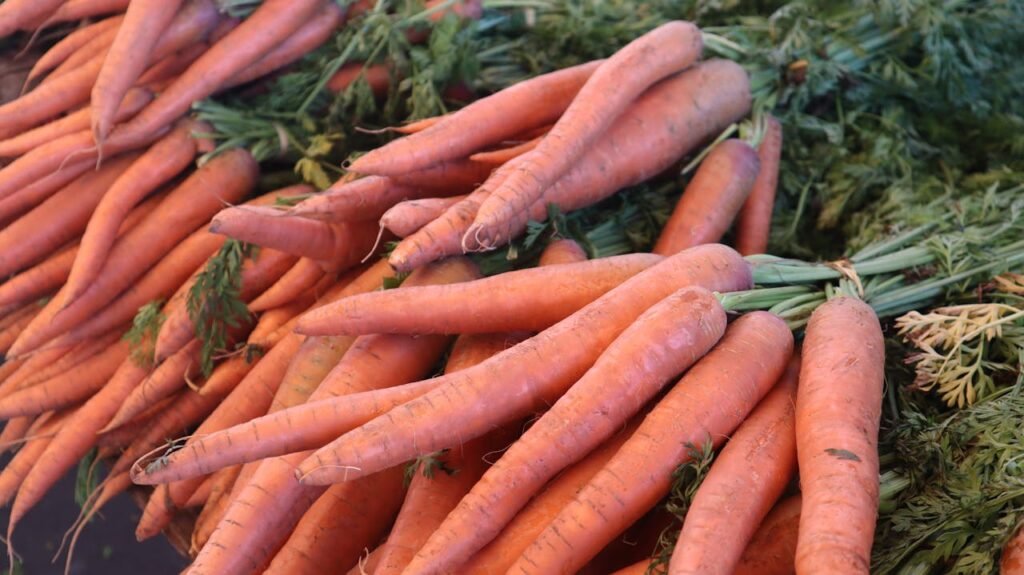
Planting and Management
Once you have prepared your site and selected your seeds, the process of growing carrots requires precision. Unlike some crops that can be transplanted, carrots must be sown directly into their final growing position to prevent root disturbance.
Sowing the Seeds
Timing: Sowing generally runs from April to July. For an early crop, you can sow in late February or March under a cloche or in a greenhouse.
Method:
- Prepare the Drill: Draw a shallow drill (groove) in the soil, approximately 1cm deep. If the soil is dry, water the drill before sowing, not after. This technique ensures the seed sits in moisture without capping the soil surface.
- Sow Thinly: Carrot seeds are minute. Sow them as thinly as possible to reduce the need for thinning later. Mixing the seed with dry horticultural sand can help distribute them evenly.
- Cover: Lightly cover with soil. Do not compact the earth heavily; a gentle tamp with the back of a rake is sufficient.
- Spacing: Rows should be spaced 15–30cm apart to allow for weeding and airflow.
Thinning
Despite your best efforts, seedlings will likely emerge too close together. Thinning is necessary to prevent competition.
However, the scent of crushed carrot foliage attracts the Carrot Root Fly, the primary pest of this crop. To mitigate this risk, thin your carrots on a still, dull evening when the flies are less active. Remove the thinnings immediately and bury them in your compost heap or seal them in a bag. Water along the row immediately afterward to settle the soil around the remaining roots.
Container Growing
For those with limited space or heavy soil, carrots thrive in containers. Use a pot at least 30cm deep. Fill it with a mix of multipurpose compost and horticultural sand (70:30 ratio). Varieties like ‘Paris Market’ (small, round roots) or ‘Chantenay’ are perfect for this method. According to Gardeners’ World, container-grown carrots are often less susceptible to pests due to the elevation.
Practical Tips for Maintenance
Successful management involves consistent care throughout the vegetative stage. Neglect during dry spells or failure to weed can significantly impact the yield.
Watering Regimen
Consistency is key. If the soil is allowed to dry out completely and is then suddenly flooded with water (heavy rain or enthusiastic watering), the roots will likely split. This is a physiological disorder caused by rapid cell expansion.
Aim to keep the soil moist but not waterlogged. In dry UK summers, water thoroughly once or twice a week rather than little and often, which encourages shallow rooting.
Weed Control
Carrots have fine foliage that is easily overwhelmed by vigorous weeds. Hand weeding is the safest method to avoid damaging the delicate shoulders of the carrot roots. Hoeing should be done with extreme care.
Fertiliser Requirements
If the soil was prepared correctly with organic matter, carrots require little additional feeding. Excess nitrogen should be avoided. However, a light dressing of a general-purpose granular fertiliser high in potassium can be beneficial in mid-season to support root swelling.
Pests and Physiological Disorders
Even the most experienced gardeners face challenges when growing carrots. Diagnosis and prevention are your best tools.
Carrot Root Fly (Psila rosae)
This is the most destructive pest. The female fly lays eggs in the soil near the carrots; the larvae hatch and burrow into the roots, rendering them inedible.
Prevention strategies:
- Barriers: Erect physical barriers made of ultra-fine insect mesh (enviramesh) at least 60cm high. The fly is a low flier and cannot navigate over high barriers easily.
- Companion Planting: Some evidence suggests growing strong-smelling alliums (onions, leeks, garlic) near carrots can mask the scent, though this is not foolproof.
- Resistant Varieties: Cultivars such as ‘Flyaway’ or ‘Resistafly’ have been bred to be less attractive to the pest.
For organic control methods, Garden Organic provides detailed protocols on barrier usage.
Forking and Splitting
- Forking: Caused by stones, compacted soil, or fresh manure.
- Splitting: Caused by irregular watering.
- Green Shoulders: If the top of the root is exposed to sunlight, it produces chlorophyll and becomes green and bitter. Earth up soil around the stems to cover any exposed root tops.
Harvesting and Storage
Knowing when to harvest ensures peak flavour and nutritional density.
When to Harvest
Carrots can be harvested as soon as they reach a usable size. Earlies are usually ready 12–16 weeks after sowing. Maincrops take longer and are harvested in late autumn (October/November).
Do not pull them by the foliage, as the leaves may snap. Loosen the soil with a garden fork before lifting the root gently.
Winter Storage
Maincrop carrots can be left in the ground with a thick mulch of straw to protect them from frost, allowing you to harvest as needed. However, in very wet or heavy soils, this risks slug damage and rot.
Alternatively, lift the crop, twist off the foliage (do not cut, as this can encourage rot), and store the roots in boxes of damp sand or coir. Place them in a cool, dark, frost-free shed. The Royal Botanic Gardens, Kew notes that proper storage can preserve the vegetable’s structural integrity and vitamin content for months.
The Bottom Line
Growing carrots in the UK is a practice that combines horticultural science with patience. While challenges like the carrot root fly and heavy soils exist, they are easily managed with preparation and the right choice of variety.
Home-grown carrots offer a superior nutritional profile and sweetness compared to commercial alternatives. By focusing on soil structure, maintaining consistent moisture, and employing physical barriers against pests, you can ensure a bountiful harvest.
Whether you are roasting them for a Sunday lunch or eating them raw for a boost of vitamin A, the effort required to grow them is well worth the result.
Helpful Resources
- Weather Planning: Met Office – Gardeners’ Forecast
- Nutritional Science: British Nutrition Foundation
- Food Safety: Food Standards Agency
- Scientific Research: PubMed/NCBI – Beta Carotene Studies
- Organic Certification: Soil Association
- Product Reviews: Which? Gardening