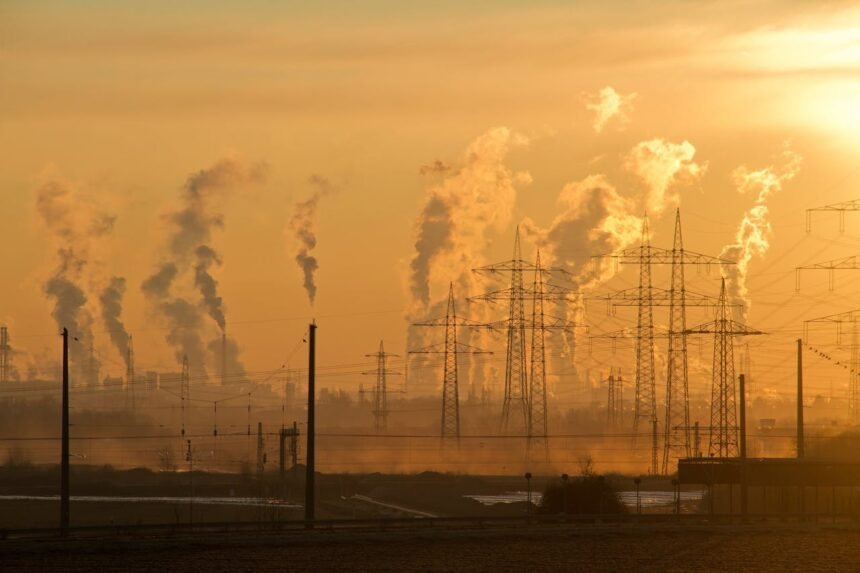
We check the weather forecast daily to decide whether to carry an umbrella or wear a coat, yet we rarely check the quality of the air we breathe. Air pollution is often invisible, but its impact on our health is profound and immediate.
From aggravating asthma to increasing the long-term risk of heart disease, the air around us plays a critical role in our physical wellbeing. This is where understanding the Air Quality Index (AQI) becomes essential.
The AQI acts as a daily yardstick for reporting air quality. It tells you how clean or polluted your air is, and what associated health effects might be a concern for you. Whether you are an avid runner, a parent of young children, or someone managing a respiratory condition, knowing how to interpret this data empowers you to protect yourself.
In the UK, we often see this reported as the Daily Air Quality Index (DAQI), though the principles remain similar to global standards. By making small adjustments based on these readings, you can significantly reduce your exposure to harmful pollutants.
This guide breaks down exactly what the numbers mean, which pollutants you need to watch out for, and actionable steps to keep your lungs healthy.
What is the Air Quality Index (AQI)?
Think of the AQI as a thermometer for the atmosphere. Just as a thermometer measures temperature, the AQI measures the concentration of air pollutants.
Governments and environmental agencies use this index to communicate to the public how polluted the air is currently or how polluted it is forecast to be. As the AQI rises, an increasingly large percentage of the population is likely to experience severe adverse health effects.
The UK Daily Air Quality Index (DAQI)
While the US and other nations often use a scale of 0 to 500, the UK government uses a numbered scale from 1 to 10. This scale is divided into four bands:
- Low (1–3): Effects are unlikely to be noticed, even by individuals who are sensitive to air pollution.
- Moderate (4–6): Mild effects may be seen in sensitive people, but the general public is unlikely to be affected.
- High (7–9): Significant effects may be noticed by sensitive individuals, and the general population might notice symptoms.
- Very High (10): The effects on sensitive groups can be severe, and the general public will likely experience reduced physical endurance.
These bands are colour-coded (Green, Yellow, Orange, Red/Purple) to make them instantly recognisable on weather apps and news bulletins provided by the Met Office.
The Five Major Pollutants
To calculate the AQI, agencies monitor five major air pollutants regulated by the Clean Air Act. The index is usually driven by the pollutant with the highest concentration at that moment.
1. Ground-level Ozone: Unlike the ozone layer high up that protects us from UV rays, ground-level ozone is created by chemical reactions between oxides of nitrogen (NOx) and volatile organic compounds (VOCs) in the presence of sunlight. It is a primary component of smog.
2. Particle Pollution (Particulate Matter): This is often the most dangerous form of pollution. It is split into two categories:
- PM10: Inhalable particles, with diameters that are generally 10 micrometres and smaller.
- PM2.5: Fine inhalable particles, with diameters that are generally 2.5 micrometres and smaller. These are dangerous because they can penetrate deep into the lungs and enter the bloodstream.
3. Carbon Monoxide (CO): A colourless, odourless gas released when something is burned. Indoors, faulty boilers are a risk; outdoors, vehicle exhausts are the main culprit.
4. Sulfur Dioxide (SO2): Produced mainly by the burning of fossil fuels at power plants and other industrial facilities.
5. Nitrogen Dioxide (NO2): Gets in the air primarily from the burning of fuel. Emissions from cars, trucks and buses, power plants, and off-road equipment are the main sources.
For a deeper dive into how these specifically affect the body, you can read more about the health effects of air pollution on Healthline.
Symptoms and Health Risks
Monitoring the AQI is crucial because the body reacts to pollution in ways that can be mistaken for other illnesses. Short-term exposure to high AQI levels can cause immediate discomfort, while long-term exposure is linked to chronic diseases.
Immediate Symptoms
If you are exposed to “High” or “Very High” air pollution, you may notice:
- Irritation of the eyes, nose, and throat.
- Coughing or chest tightness.
- Shortness of breath, especially during exercise.
- Fatigue or dizziness.
- Headaches.
Vulnerable Groups
Certain groups are more susceptible to the effects of air pollution. The World Health Organization (WHO) highlights that the burden of disease attributable to air pollution is now on par with other major global health risks like unhealthy diet and tobacco smoking.
Who is most at risk?
- People with lung conditions: Those with asthma, COPD, or bronchitis.
- People with heart conditions: Pollution can trigger heart attacks or strokes.
- Children: Their lungs are still developing, and they breathe more rapidly than adults.
- Older adults: Often have weaker immune systems or pre-existing conditions.
- Pregnant women: Emerging research suggests pollution can impact foetal development.
If you have a pre-existing condition, it is vital to follow the specific advice provided by the NHS regarding symptom management during high pollution episodes.

Actionable Steps: How to Use the AQI
Understanding the number is only half the battle. The goal is to alter your behaviour to protect your health when the numbers spike. Here is a practical breakdown of how to respond to different air quality scenarios.
1. Check the Forecast Daily
Make checking the AQI part of your morning routine. Websites like DEFRA’s UK-Air provide real-time updates and forecasts for the next 24 to 48 hours. Most modern smartphone weather apps also include this data at the bottom of the screen.
2. Adjust Your Exercise Routine
When we exercise, we breathe faster and deeper, drawing air into the deepest parts of our lungs. If the air is dirty, you are increasing your dose of pollution.
- On Moderate Days: Reduce the intensity of your workout. Instead of a sprint, go for a jog.
- On High Days: Move your workout indoors. If you must be outside, avoid busy roads where traffic fumes are concentrated.
- Time it Right: Ozone levels often peak in the mid-afternoon. In summer, try exercising early in the morning when AQI levels are typically lower.
3. Create a Clean Indoor Environment
Outdoor air inevitably seeps inside. To keep your home a sanctuary:
- Keep windows closed during high pollution episodes, particularly during rush hour if you live near a road.
- Use an air purifier with a HEPA filter. These are highly effective at trapping PM2.5 particles.
- Avoid adding to the problem. Don’t burn wood, candles, or incense indoors when outdoor air quality is poor.
4. Diet and Hydration
While not a shield, a healthy body handles oxidative stress better. Foods rich in antioxidants—like berries, leafy greens, and nuts—can help combat the inflammation caused by inhaling pollutants.
For those with cardiovascular concerns, the British Heart Foundation offers guidance on managing lifestyle factors alongside environmental risks.
Interpreting the Data: AQI Bands and Advice
The table below outlines the UK DAQI bands and the recommended actions for both the general population and at-risk individuals.
| Index Band | AQI Value | Advice for At-Risk Individuals | Advice for General Population |
|---|---|---|---|
| Low | 1–3 | Enjoy your usual outdoor activities. | Enjoy your usual outdoor activities. |
| Moderate | 4–6 | Adults and children with lung problems, and adults with heart problems, who experience symptoms, should consider reducing strenuous physical activity, particularly outdoors. | Enjoy your usual outdoor activities. |
| High | 7–9 | Adults and children with lung problems, and adults with heart problems, should reduce strenuous physical exertion, particularly outdoors, and particularly if they experience symptoms. People with asthma may find they need to use their reliever inhaler more often. Older people should also reduce physical exertion. | Anyone experiencing discomfort such as sore eyes, cough or sore throat should consider reducing activity, particularly outdoors. |
| Very High | 10 | Adults and children with lung problems, adults with heart problems, and older people, should avoid strenuous physical activity. People with asthma may need to use their reliever inhaler more frequently. | Reduce physical exertion, particularly outdoors, especially if you experience symptoms such as a cough or sore throat. |
Frequently Asked Questions
Can I wear a mask to protect myself against pollution?
Standard cloth masks or surgical masks do not filter out fine particles or gases effectively. To filter out PM2.5, you would need an N95 or FFP2/FFP3 respirator mask that fits tightly to the face. However, for most people, avoiding exposure by staying indoors is more effective than relying on a mask.
Is air quality worse in summer or winter?
It depends on the pollutant. Ozone levels are typically higher in the summer due to stronger sunlight and heat. Conversely, particulate matter (PM) can spike in winter due to wood burning, heating systems, and stagnant weather conditions that trap pollutants near the ground. The European Environment Agency provides excellent reports on these seasonal variations across the continent.
Does rain clear the air?
Generally, yes. Rain can effectively “wash” particulate matter out of the air. However, it is less effective at removing gaseous pollutants. This is why the air often feels fresher after a heavy downpour.
How does air pollution affect children specifically?
Children are shorter, meaning they breathe air closer to the ground (nearer to car exhausts), and they breathe more rapidly than adults. Long-term exposure can stunt lung growth. Resources from Asthma + Lung UK provide detailed support for parents managing children’s respiratory health in polluted areas.
Why is indoor air quality sometimes worse than outdoor?
Indoor air can be 2 to 5 times more polluted than outdoor air due to the accumulation of pollutants. Cooking fumes, cleaning chemicals, pet dander, and dust mites get trapped if ventilation is poor. The UK Government’s Clean Air Strategy emphasises the importance of reducing emissions from domestic burning and consumer products.
The Bottom Line
Air quality is a dynamic environmental factor that changes hour by hour. While we cannot control the air outside individually, understanding the Air Quality Index gives us the agency to manage our exposure.
It is about risk reduction, not panic. On days when the index is low, enjoy the outdoors freely. On days when it creeps into the “Moderate” or “High” bands, prioritise indoor activities and reduce physical exertion.
By keeping an eye on these numbers—just as you would a rain forecast—you safeguard not only your lungs but your long-term vitality. For families, specifically, referencing guidance from the Royal College of Paediatrics and Child Health can help ensure you are making the safest choices for the youngest members of your household.