Costa Rica offers a stunning blend of biodiversity and professional opportunity. Ensuring you are medically prepared is just as important as packing your business attire or hiking gear. This guide outlines the essential immunisations you need for a safe journey.
Understanding Entry Requirements
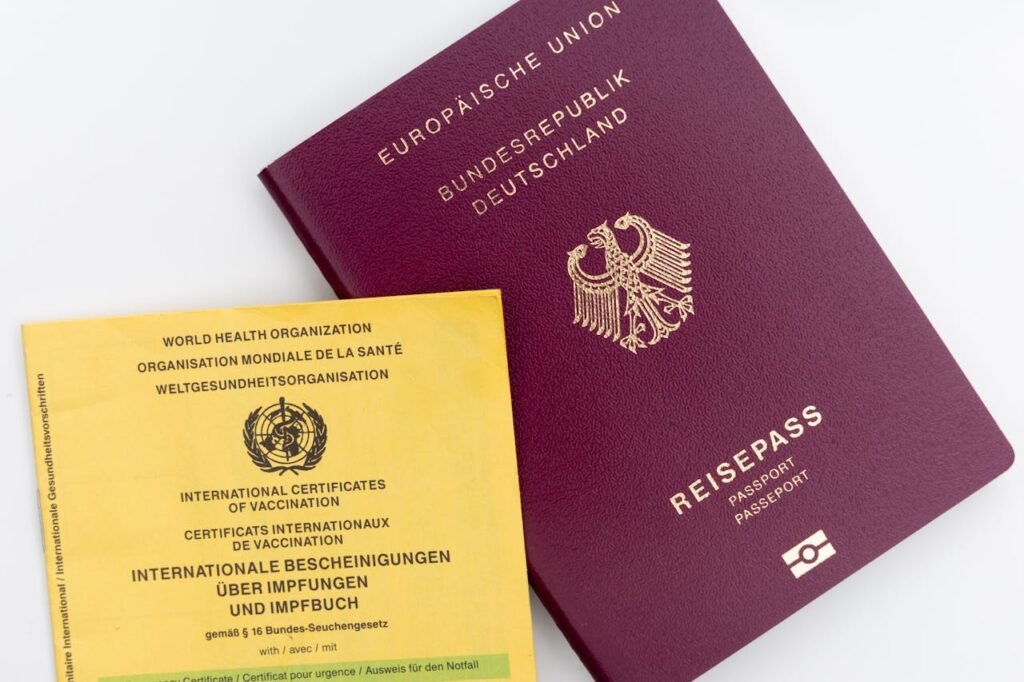
Your primary concern when planning a trip to Central America should be compliance with border regulations. Costa Rica has strict rules regarding Yellow Fever to prevent the disease from entering the country. You must check the latest guidance well in advance of your departure date.
The government requires a Yellow Fever vaccination certificate if you are travelling from a country where the virus is present. This rule applies even if you only spent a few hours in transit at an airport in a risk zone. For detailed entry requirements, consult the Foreign, Commonwealth & Development Office (FCDO) advice pages.
The Yellow Fever Protocol
While Costa Rica itself is generally considered low risk for Yellow Fever, the entry requirement is mandatory for many. You should verify your travel route to see if you are passing through endemic nations in South America or Africa. This is a critical step for avoiding rejection at the border.
The vaccine is generally safe, but you should discuss your medical history with a clinician. Common yellow fever vaccine side effects include mild fever, headache, and muscle pain. These symptoms typically resolve quickly without medical intervention.
Finding a provider is the next logistical step for your trip. You can easily locate a registered centre by searching for a ” yellow fever vaccine clinic near me ” online. Ensure you book this appointment at least ten days before you travel to allow the certificate to become valid.
Recommended Vaccinations for Every Traveller
Regardless of official entry rules, certain vaccinations are highly recommended for personal protection. The standard travel vaccines for costa rica usually include protection against Hepatitis A and Tetanus. These cover the most common risks associated with food, water, and soil.
Hepatitis A and Typhoid
Hepatitis A is a viral liver infection spread through contaminated food and water. It is a significant risk in many parts of Central America, regardless of your accommodation standard. Vaccination is the most effective way to prevent this unpleasant illness.
Typhoid fever is another bacterial infection caused by poor sanitation. When discussing options, you might compare typhoid vaccine side effects oral vs injection with your nurse. Both formats are effective, though the injection is often preferred for its convenience.
Adults generally tolerate these vaccinations very well. While rare, hep a vaccine side effects in adults may include temporary soreness at the injection site. For comprehensive disease information, refer to the NHS Fit for Travel website.
Tetanus and Diphtheria
Tetanus bacteria live in soil and can enter the body through even minor cuts or scrapes. Most professionals received this vaccine as a child, but immunity can wane over time. A booster is often necessary if it has been more than ten years since your last dose.
Cost can sometimes be a concern for private travellers. You might wonder about the tetanus shot cost without insurance if you are using a private travel clinic. However, this vaccine is frequently available for free via the NHS for travel purposes.
Specific Risks for Adventurous Professionals
If your trip involves field work or eco-tourism, your risk profile changes significantly. You may expose yourself to different pathogens found in the rainforest or rural communities. Personalised advice is essential for these itineraries.
Rabies Prevention
Rabies is fatal if left untreated and is present in Costa Rican wildlife, including bats and dogs. Pre-exposure prophylaxis is strongly advised for those working with animals or travelling to remote areas. This series of injections buys you valuable time if you are bitten.
Many travellers worry about adverse reactions to this specific course. Generally, rabies vaccine for humans side effects are mild and limited to a sore arm or headache. You can read more about rabies risks on the TravelHealthPro factsheet.
Malaria and Mosquito-Borne Illnesses
Costa Rica has a low risk of malaria, but it is not entirely absent in certain provinces. You should consult a medical professional to determine if antimalarial tablets are necessary for your specific itinerary. Prevention is always better than cure.
There is often confusion regarding the best method of protection. Discussing malaria pills vs vaccine is a moot point, as there is currently no widely available malaria vaccine for travellers. Prevention relies on bite avoidance and prophylactic medication, as detailed by NHS Inform.
General Health and Routine Immunisations
Travel health is not just about exotic diseases; it is about maintaining your baseline immunity. Professionals should ensure their routine UK schedule is up to date before flying. This prevents complications from common illnesses while abroad.
Influenza and Respiratory Health
Airports and aeroplanes are breeding grounds for respiratory viruses. Getting a seasonal flu jab is a sensible precaution for international business travellers. You should be aware of potential flu jab side effects 2024 to plan your schedule accordingly.
Timing your vaccination is crucial for maximum efficacy. If you are asking ” how long after flu shot am i protected “, the answer is typically two weeks. Visit the NHS Influenza page for current guidance.
MMR and Adult Boosters
Measles cases have fluctuated globally, making the MMR vaccine essential for all adults. If you have no record of two doses, you are considered susceptible. Discussing measles vaccine for adults side effects with your GP can alleviate any concerns you might have.
Shingles and Senior Travel Health
Older professionals or those with specific health conditions should consider protection against shingles. Travel stress can sometimes trigger this painful condition. It is worth reviewing the shingles vaccine side effects list to be fully prepared.
Recent medical discussions have explored the relationship between different viral triggers. Some patients ask about the covid vaccine and shingles link, though evidence supports the safety of both. For authoritative data on vaccine safety, consult the Oxford Vaccine Group.
Budgeting for Your Travel Health
Preparing for a trip involves financial planning as well as medical logistical planning. Prices for private immunisations can vary significantly between providers. It is wise to shop around if you cannot access them via the NHS.
You should request a full price list before booking your appointment. Researching travel clinic vaccinations cost helps you budget accurately for your trip. Consumer advice from Which? can help you understand what travel insurance covers regarding medical mishaps.
Regional Travel Considerations
Many professionals combine a visit to Costa Rica with meetings in neighbouring countries. If your itinerary includes crossing borders, your medical requirements will become more complex. You must assess the risks for every single nation you visit.
Mexico is a common add-on destination for travellers in this region. You should research traveling to mexico vaccinations to ensure you are covered for both territories. The US Centers for Disease Control and Prevention (CDC) offers excellent regional cross-reference maps.
Vaccine Schedules and Protection
| Vaccine | Typical Schedule | Administration | Duration of Protection |
|---|---|---|---|
| Hepatitis A | 2 doses (6-12 months apart) | Injection | 25+ years |
| Typhoid | 1 dose or 3 capsules | Injection or Oral | 3 years (Inj) / 1-3 years (Oral) |
| Yellow Fever | 1 single dose | Injection | Life-long (for most people) |
| Rabies | 3 doses (over 21-28 days) | Injection | Requires boosters if risk continues |
| Tetanus | 1 booster dose | Injection | 10 years |
| Influenza | Annual dose | Injection | 1 season |
Frequently Asked Questions
Do I need a yellow fever certificate to enter Costa Rica from the UK?
No, you do not need a certificate if you are travelling directly from the UK. The certificate is only required if you arrive from a country with a risk of yellow fever transmission. Always verify the specific list of countries before you fly.
Is tap water safe to drink in Costa Rica?
Tap water is generally safe in San José and other major developed areas. However, in rural or coastal areas, you should stick to bottled or purified water. This simple precaution significantly reduces the risk of stomach infections.
When should I book my travel clinic appointment?
You should aim to visit a clinic at least 4 to 6 weeks before you travel. Some vaccines require multiple doses spread over several weeks to be effective. Leaving it too late may leave you with incomplete protection.
Are there malaria mosquitoes in Costa Rica?
Malaria risk is very low and limited to specific provinces like Limón and Alajuela. Most travellers do not need antimalarial medication. However, preventing mosquito bites is vital to avoid Dengue and Zika virus.
Where can I find a reputable doctor abroad?
If you fall ill during your trip, seek recommended private clinics in major cities. The International Association for Medical Assistance to Travellers (IAMAT) provides a directory of English-speaking doctors. This can be a vital resource for professional travellers.
The Bottom Line
Preparation is the key to a successful and healthy trip to Costa Rica. By addressing your vaccination needs early, you protect both your health and your professional itinerary. Consult a medical professional today to finalise your travel health plan.