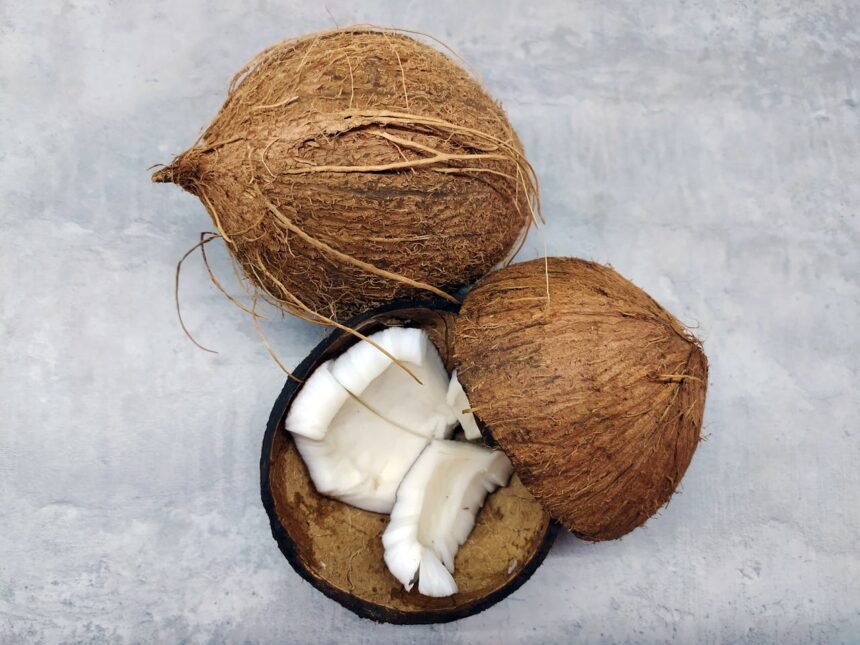
Coconut meat, the white flesh found inside the coconut shell, is more than just a tropical garnish. For centuries, populations throughout the Pacific Islands and Southeast Asia have relied on this fruit as a primary source of sustenance. While often demonised in the past for its high fat content, modern science is now shedding light on the unique coconut meat nutrition profile, revealing a complex food rich in minerals, fibre, and distinct fatty acids that may support heart health and digestion.
Whether you are scraping the jelly-like flesh from a young fruit or processing the firm meat of a mature one, understanding the nutritional value is essential for integrating it into a balanced diet. This article provides a comprehensive analysis of the nutrients, health benefits, and potential risks associated with consuming raw coconut meat.
What is Coconut Meat?
Coconut meat comes from the Cocos nucifera palm. It is the edible white lining inside the coconut shell. The texture and taste vary significantly depending on the age of the fruit.
Young vs mature coconut meat is a key distinction. Young coconuts contain a soft, gelatinous meat often eaten directly with a spoon, while mature coconuts offer a firm, fibrous flesh. The latter is typically grated, dried (desiccated), or pressed to make coconut milk and oil.
Understanding the source of your food is crucial. For those interested in the botany behind the fruit, learning How to Grow and Care for Your Own Coconut Bonsai Tree can provide fascinating insight into the lifecycle of the palm. Furthermore, the sustainability of the coconut industry is gaining traction; utilizing the whole fruit is becoming easier, as discussed in our guide on Sustainable Living: Why Every Kitchen Needs a Coconut Shell Bowl.
Nutritional Breakdown
When we analyse coconut meat calories 100g, it is evident that this is a high-energy food. A standard 100-gram serving of raw, mature coconut meat provides approximately 354 calories. However, calories tell only part of the story.
Macronutrients
- Fat: 33 grams (mostly saturated).
- Carbohydrates: 15 grams.
- Fibre: 9 grams.
- Protein: 3 grams.
The dietary fibre content in coconut is exceptionally high compared to many other fruits. This insoluble fibre aids in bulking stool and promoting regularity, which is a significant factor in coconut meat digestive health.
Micronutrients
Coconut meat is a powerhouse of essential minerals. It is particularly abundant in manganese, which is vital for enzyme function and fat metabolism. The manganese in coconut meat covers nearly 75% of your daily recommended intake in just one serving. Additionally, you will find significant amounts of copper and iron in coconut, both of which are essential for red blood cell formation and antioxidant defences.
For a full breakdown of micronutrients, you can consult the USDA FoodData Central database.
Fats in Coconut: The MCT Advantage
Perhaps the most controversial and researched aspect of coconut nutrition is its fat content. Historically, health organisations warned against the saturated fat in coconuts myth, suggesting it clogged arteries much like animal fats. However, recent research indicates the structure of these fats differs significantly.
A large portion of the fat in coconut meat consists of medium-chain triglycerides (MCTs). Unlike long-chain fatty acids found in meat and dairy, MCTs are absorbed directly from the small intestine and rapidly used for energy. Medium-chain triglycerides benefits include potential weight management support and improved cognitive function.
Furthermore, lauric acid, the primary fatty acid in coconut, possesses antimicrobial properties. Lauric acid immune support is well-documented, showing potential in fighting certain bacteria and viruses. For more on the breakdown of dietary fats, the Harvard T.H. Chan School of Public Health offers extensive resources.
Health Benefits of Raw Coconut Meat
1. Supports Heart Health
Despite the high saturated fat content, studies suggest that coconut meat may improve cholesterol levels. The fibre and healthy fats can raise HDL (good) cholesterol while reducing LDL (bad) cholesterol in some individuals. However, moderation is key. Information regarding heart-healthy diets can be found via the British Heart Foundation.
2. Aids Digestion and Gut Health
The high fibre content supports a healthy microbiome. Just as fermented products are beneficial—see our guide on A Guide to Making Probiotic-Rich Coconut Milk Kefir at Home—the prebiotic fibre in raw meat feeds beneficial gut bacteria. Furthermore, using coconut-derived products like vinegar can assist digestion, a topic explored in Exploring the Health and Digestive Coconut Vinegar Benefits.
3. Stabilises Blood Sugar
Because it is high in fat and fibre but low in carbs, coconut meat has a low glycaemic impact. The glycaemic index of coconut is low enough that it generally does not cause rapid spikes in blood sugar. This makes coconut meat for keto diet plans an excellent choice. Those managing glucose levels should also consider their sweeteners; for context, read Is Coconut Sugar Keto Friendly? Everything You Need to Know.
4. Antioxidant Protection
Raw coconut contains phenolic compounds, which are antioxidants that help protect cells from oxidative damage. Phenolic compounds in coconut include gallic acid and caffeic acid. These compounds reduce inflammation and may lower the risk of chronic disease. This antioxidant profile shares some benefits with activated charcoal uses, such as those discussed in Does Coconut Charcoal Teeth Whitening Actually Work?.
Raw vs. Dried: Which is Better?
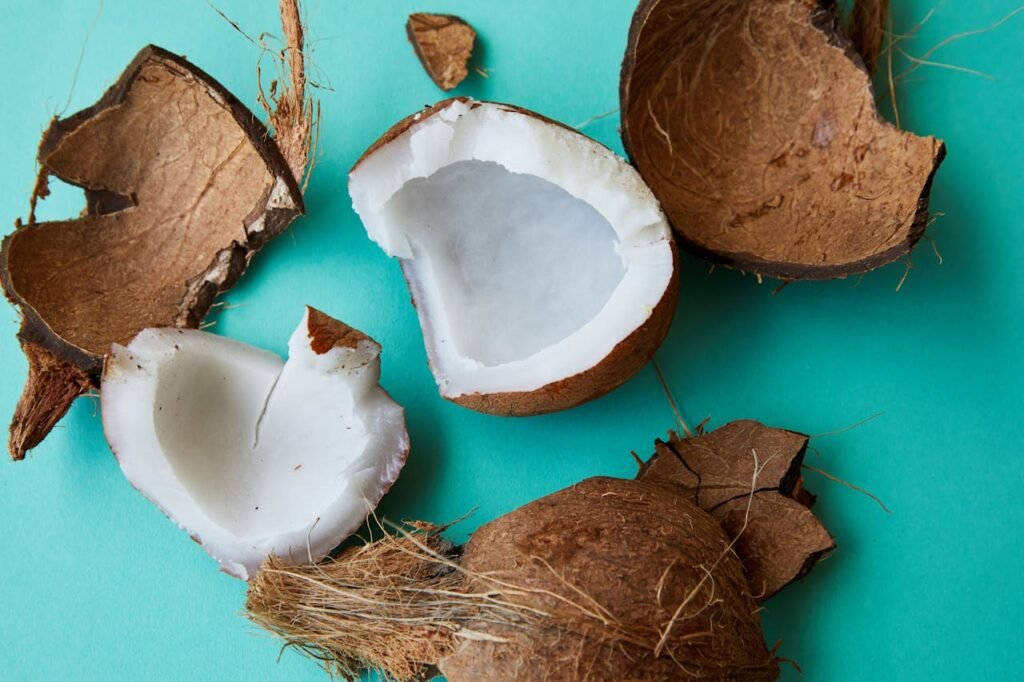
When choosing between raw coconut vs dried coconut, consider the processing. Raw meat retains more water and enzymes. Dried coconut (desiccated) is more concentrated in calories and fat but often contains added sulphites or sugar. Always read the label. If you are cooking, you might also be looking for savoury alternatives; check out Finding the Best Coconut Aminos Substitute for Your Cooking for low-sodium options.
For general advice on fruit consumption and processing, the NHS Eat Well Guide is a reliable source.
How to Eat Raw Coconut
Many people are unsure how to eat raw coconut if they buy the whole fruit.
- Open carefully: Puncture the eyes to drain the water, then crack the shell with a hammer or heavy knife.
- Remove the meat: Use a butter knife to pry the meat from the shell.
- Preparation: Slice it into strips for snacks or grate it for salads.
If you are an avid gardener, don’t throw away the husk! As detailed in The Benefits of Using Coconut Husk Chips for Orchid Potting, the by-products are incredibly useful. Similarly, if you enjoy convenient forms of coconut, you might enjoy learning How to Use Coconut Cream Powder in Your Daily Recipes.
Potential Side Effects and Considerations
While nutritious, there are coconut meat side effects to consider.
- Allergies: Though rare, coconut allergies do exist. Symptoms can range from skin rashes to anaphylaxis. The American College of Allergy, Asthma & Immunology provides specific guidance on tree nut allergies.
- Caloric Density: Due to the high fat content, overconsumption can lead to weight gain.
- Digestive Issues: A sudden increase in fibre can cause bloating. It is best to introduce it slowly.
Those managing skin conditions might be familiar with topical applications, such as in Managing Your Symptoms: Using Coconut Oil Psoriasis Treatments, but dietary intake requires different considerations regarding inflammation.
The Bottom Line
Coconut meat nutrition is impressive, offering a unique blend of fibre, MCTs, and essential minerals like manganese. Whether you are following a keto diet, seeking to improve heart health, or simply enjoy the tropical flavour, raw coconut is a versatile addition to your pantry.
Remember to choose unprocessed, unsweetened varieties whenever possible. For more insights on medical nutrition, websites like Medical News Today and the Mayo Clinic provide excellent further reading on the metabolic effects of tropical fruits. Always consult a healthcare professional before making drastic changes to your diet, especially if you have specific lipid concerns.