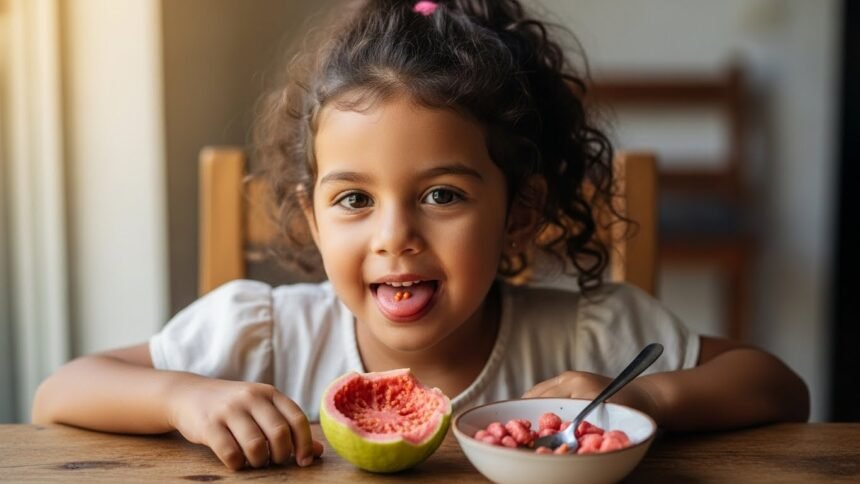
Guava is a vibrant, tropical fruit that is cherished globally for its unique flavour and impressive nutritional profile. If you have ever sliced into a ripe pink or white guava, you have likely noticed the abundance of small, hard seeds nestled within the sweet flesh.
For many, the texture of these seeds can be a surprise. It is common to wonder whether you should spit them out or if they are safe to swallow. While some fruits contain toxic pits or inedible seeds, guava seeds fall into a different category entirely.
Understanding the safety and nutritional impact of these seeds is essential for fully enjoying this delicious fruit. This is particularly true if you are trying to increase your fibre intake or are concerned about digestive health.
This article provides a comprehensive guide to guava seeds, analysing their safety, nutritional benefits, and potential risks, so you can enjoy this tropical treat with confidence.
What are guava seeds?
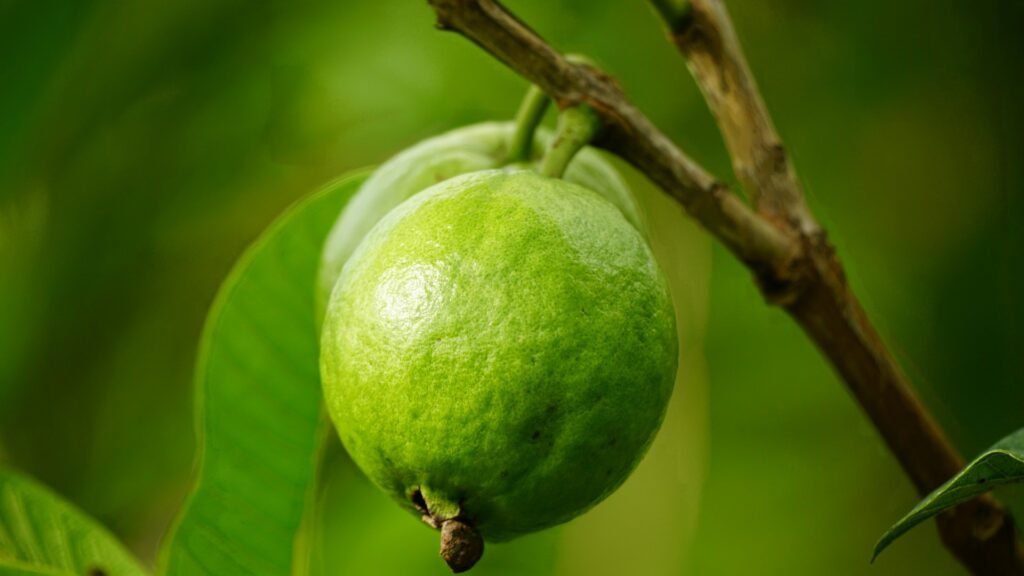
Guava seeds are the small, hard kernels found in the centre of the Psidium guajava fruit. Depending on the variety of the guava, these seeds can range from pale white to yellowish-cream in colour.
Unlike the stone of a mango or the pit of an avocado, guava seeds are numerous and scattered throughout the central pulp. They are edible and are generally consumed along with the fruit’s flesh.
In many cultures, the entire fruit is eaten—rind, flesh, and seeds included. The seeds are incredibly hard, often compared to grape seeds but with a denser consistency.
From a botanical perspective, the seeds are designed to survive the digestive tract to facilitate germination. However, when chewed or broken down, they can offer access to internal nutrients.
Research indicates that these seeds are not just empty fillers. They contain significant amounts of dietary fibre, proteins, and essential fatty acids. Understanding their composition helps us realise why they are considered a functional part of the fruit rather than waste.
Benefits and safety of eating guava seeds
For the vast majority of people, eating guava seeds is completely safe and beneficial. They are non-toxic and do not contain harmful compounds like the amygdalin found in apple seeds.
1. High in dietary fibre
One of the primary benefits of consuming the whole fruit, seeds included, is the fibre content. Guava seeds are dense in insoluble fibre. This type of fibre adds bulk to your stool and helps food pass more quickly through the stomach and intestines.
According to the NHS, eating foods to help your digestion is crucial for preventing constipation. Consuming guava seeds can essentially act as a natural laxative, promoting regular bowel movements.
2. Rich in antioxidants
It is not just the flesh of the guava that carries nutrients. Scientific analysis has shown that the seeds contain high levels of phenolic compounds.
Studies published in major journals have highlighted the antimicrobial and antioxidant activity found within guava seed extracts. These antioxidants help combat oxidative stress in the body, potentially reducing the risk of chronic diseases.
3. Heart health support
Guavas are naturally high in potassium and fibre, a combination that is excellent for heart health. The British Heart Foundation notes that potassium helps support healthy blood pressure levels.
While the flesh provides the bulk of the potassium, the seeds contribute healthy fatty acids, including linoleic acid, which is known for its role in maintaining cardiovascular health.
4. Blood sugar regulation
Guava is a fruit with a low glycaemic index, making it a suitable snack for people monitoring their blood sugar. The fibrous nature of the seeds further slows down the absorption of sugar into the bloodstream.
Potential risks and considerations
While generally safe, there are specific scenarios where caution is advised.
Dental concerns
The most immediate risk when eating guava seeds is dental damage. The seeds are exceptionally hard. Biting down on them with excessive force can potentially lead to cracked teeth or damaged fillings.
If you have fragile enamel or existing dental work, it is advisable to chew gently or swallow the seeds whole to avoid trauma to your teeth.
The diverticulitis myth
Historically, doctors advised people with diverticular disease (small pouches in the lining of the intestine) to avoid nuts and seeds. The fear was that these small particles would get lodged in the pouches and cause infection.
However, modern evidence has largely debunked this. The NHS states that there is no evidence that eating seeds triggers diverticular disease symptoms in most people. That said, if you find that seeds irritate your gut personally, you should listen to your body.
Digestive blockage
In extremely rare cases, consuming a massive quantity of guava seeds without adequate hydration could contribute to a blockage, though this is highly unlikely in a standard diet. As with all high-fibre foods, it is vital to drink plenty of water.
Nutritional Comparison: Guava Flesh vs. Seeds
To understand the value the seeds add, it helps to compare their primary contributions against the fruit pulp. The table below outlines the general nutritional dominance of each component.
| Feature | Guava Flesh (Pulp) | Guava Seeds | Benefit of Eating Together |
|---|---|---|---|
| Texture | Soft, creamy, sweet | Hard, crunchy, dense | Provides textural contrast and satiety |
| Primary Nutrient | Vitamin C, Potassium | Insoluble Fibre, Fatty Acids | Balanced absorption of nutrients |
| Digestibility | Rapidly digested | Slow digestion | Sustained energy release |
| Glycaemic Impact | Low to Moderate | Very Low | Reduces overall blood sugar spike |
| Antioxidants | Lycopene (in pink varieties) | Polyphenols, Carotenoids | Broad-spectrum antioxidant protection |
How to eat guava seeds safely
If you are new to eating guava, the texture of the seeds can be off-putting. Here are actionable tips to incorporate them into your diet safely.
The “Chew and Swallow” technique
You do not need to pulverise every single seed with your molars. In fact, doing so can be tiring for your jaw.
- Lightly chew: Bite into the flesh and lightly chew the seeds to break the outer layer.
- Swallow whole: It is perfectly safe to swallow many of the seeds whole. They will pass through your digestive system, acting as roughage.
Blending for smoothies
If you dislike the crunch, you can blend the entire guava. However, standard blenders may just chop the seeds into gritty sand-like particles.
- High-power blending: Use a high-speed blender to fully pulverise the seeds into a smooth consistency.
- Straining: If you only want the flavour, blend the fruit and then push the mixture through a fine-mesh sieve to remove the seed fragments.
Culinary uses
Guava seeds can be used creatively. You can scoop out the seeded centre and use it to make a tropical vinaigrette. The seeds add a peppery crunch to salads.
For more inspiration on preparing fresh guava, culinary resources like BBC Good Food offer excellent guidance on handling tropical fruits.
Frequently asked questions
Do guava seeds cause appendicitis?
This is a common fear, but it is largely unfounded. While it is theoretically possible for any small object to obstruct the appendix, it is incredibly rare. A study analysing the relationship between seeds and appendicitis found that undigested fruit seeds are responsible for a minuscule fraction of appendicitis cases. For the general public, this is not a significant risk.
Can I eat the seeds if I have IBS?
If you have Irritable Bowel Syndrome (IBS), your tolerance to fibre varies. Guava seeds are high in insoluble fibre, which can trigger symptoms for some IBS sufferers but help others. It is best to introduce them slowly and monitor your symptoms. Following The Eatwell Guide regarding fruit and vegetable intake is generally recommended, but personalised adjustment is key.
Are the seeds toxic when chewed?
No. Unlike cherry pits or apple seeds, guava seeds do not release cyanide or other toxins when chewed. They are chemically safe to ingest in any form.
Do the seeds contain Vitamin C?
The majority of the guava’s famous Vitamin C content is located in the skin and the flesh just underneath it. The seeds are more focused on fibre and fats. Therefore, to get the full health benefits of guava, you should eat the whole fruit, not just the centre.
The bottom line
Guava seeds are not only safe to eat, but they also offer distinct health advantages. They are a powerhouse of dietary fibre, essential fats, and antioxidants that complement the vitamin-rich flesh of the fruit.
For most people, the decision to eat them comes down to personal preference regarding texture. The crunch can be delightful for some and unpleasant for others.
However, you must be mindful of your dental health. If you have weak teeth, avoid biting down hard on the kernels. Additionally, while the risk of digestive issues is low, staying hydrated is essential when increasing your fibre intake.
Ultimately, eating the whole guava—seeds and all—is a fantastic way to minimise food waste and maximise nutrition. Whether you blend them, chew them, or swallow them whole, you can enjoy this tropical superfood without fear.