
Fragility fractures represent a significant global health burden, impacting millions of adults annually and leading to increased morbidity, mortality, and healthcare costs. While basic bone health recommendations are widely known, a truly effective approach to osteoporosis prevention and fracture mitigation demands a more sophisticated, multi-faceted strategy. This comprehensive guide delves into advanced methodologies, moving beyond foundational advice to explore the nuanced interplay of nutrition, exercise, pharmacology, and lifestyle modifications critical for optimizing bone resilience in the adult population.
Understanding the Multifaceted Nature of Fracture Risk
Fractures, particularly those stemming from low-impact trauma, are rarely the result of a single factor. Instead, they arise from a complex interaction of genetic predispositions, lifestyle choices, medical conditions, and pharmacological influences that collectively contribute to heightened fracture risk factors. Age is a primary determinant, as bone remodeling naturally shifts towards greater resorption than formation over time, leading to progressive bone loss. Women, especially following menopause bone loss, face accelerated bone density decline due to estrogen reduction, making postmenopausal bones particularly vulnerable. A history of previous fractures significantly increases the likelihood of future breaks, indicating underlying bone fragility. Comorbidities such as rheumatoid arthritis, diabetes, and celiac disease, alongside certain medications like glucocorticoids and proton pump inhibitors, can also compromise bone integrity. Understanding this intricate web is the first step in devising targeted interventions. For a deeper understanding of osteoporosis and its risk factors, the National Institute of Arthritis and Musculoskeletal and Skin Diseases (NIAMS) offers extensive resources.
Advanced Nutritional Interventions for Bone Health
While calcium and vitamin D remain cornerstone nutrients, a truly healthy bone diet extends far beyond these two. Optimal bone health requires a synergistic array of micronutrients and a balanced dietary pattern that supports bone matrix integrity and density.
Beyond Calcium and Vitamin D Bones
The emphasis on vitamin D bones and calcium is well-placed, but other micronutrients play equally crucial roles. Magnesium bone health is critical, as magnesium is involved in over 300 enzymatic reactions, including those that regulate calcium and vitamin D levels. It also contributes directly to bone mineral density. Vitamin K2 (menaquinone) is essential for activating osteocalcin, a protein that binds calcium to the bone matrix, and for preventing arterial calcification, thereby directing calcium to where it’s needed most. Boron, zinc, copper, and manganese are also cofactors for enzymes involved in bone formation and maintenance. Adequate protein intake is vital, as collagen forms the structural framework of bone. Older adults, in particular, often consume insufficient protein, hindering their ability to repair and build bone tissue. For comprehensive guidance on calcium intake, the National Institutes of Health (NIH) Office of Dietary Supplements provides detailed recommendations.
Optimizing Dietary Patterns for Bone Support
Shifting focus from individual nutrients to overall dietary patterns can yield superior results. The Mediterranean diet, rich in fruits, vegetables, whole grains, lean protein, and healthy fats, offers a robust framework for bone health. It provides anti-inflammatory compounds and a high antioxidant load, which can protect bone cells from oxidative stress. Similarly, the DASH (Dietary Approaches to Stop Hypertension) diet, emphasizing fruits, vegetables, and low-fat dairy, indirectly benefits bones by promoting a favorable acid-base balance and providing essential minerals.
Incorporating diverse calcium rich foods is key. While dairy is a prominent source, alternatives for those requiring dairy free calcium include fortified plant milks, leafy greens (collard greens, kale), fortified cereals, and specific types of tofu. For individuals following plant-based diets, optimizing vegan bone nutrients requires careful planning to ensure adequate intake of calcium, vitamin D, and B12, often through fortified foods or supplements. Beyond daily maintenance, a diet rich in bone healing foods—such as lean proteins, vitamin C-rich fruits, zinc-containing legumes, and phosphorus-rich seeds—can accelerate recovery post-fracture. While anecdotal, some proponents suggest bone broth benefits due to its collagen and mineral content, which may support bone and connective tissue health.
Targeted Exercise Protocols for Enhanced Bone Strength
Physical activity is paramount, but not all exercise is created equal when it comes to bone health. Specific types of loading are necessary to stimulate osteoblasts and promote bone mineral density.
Progressive Weight-Bearing Workouts
Weight bearing workouts are foundational for bone strength. These exercises involve working against gravity, sending signals to bones to remodel and become stronger. Examples include walking, jogging, hiking, dancing, and stair climbing. For significant bone anabolism, the intensity and impact must be sufficient. High-impact activities, such as jumping, plyometrics, and certain sports, can be particularly effective for younger adults and those without contraindications, due to the higher mechanical strain they impart. However, these must be introduced progressively to prevent injury. The Centers for Disease Control and Prevention (CDC) offers guidelines on physical activity for adults, which can be adapted for bone health goals.
Bone Strength Exercises and Resistance Training
Beyond weight-bearing, bone strength exercises through progressive resistance training are crucial. Lifting weights, using resistance bands, or bodyweight exercises (e.g., squats, lunges, push-ups) directly stimulate muscles, which in turn pull on tendons and bones, promoting osteogenesis. The key is progressive overload: gradually increasing the weight, repetitions, or resistance over time to continually challenge the bones. For athletes, particularly those engaged in high-impact activities, managing runner bone stress involves balancing high-impact training with adequate recovery and nutritional support to prevent stress fractures. Cross-training with non-impact activities (swimming, cycling) can also help maintain fitness while reducing repetitive stress on specific bones.
Balance and Flexibility Training
While not directly enhancing bone density, balance and flexibility training are critical for senior bone health by significantly reducing the risk of falls, which are a leading cause of fractures. Tai Chi, yoga, and specific balance drills can improve proprioception, coordination, and muscle control, thereby preventing falls and their devastating consequences.
Pharmacological and Medical Management
For individuals with diagnosed osteoporosis or high fracture risk, medical interventions play a critical role in supplementing lifestyle strategies.
Advanced Osteoporosis Prevention Medications
A range of medications is available for osteoporosis prevention and treatment. Bisphosphonates (e.g., alendronate, risedronate) are commonly prescribed, working by inhibiting osteoclast activity and reducing bone resorption. Newer anabolic agents like teriparatide and abaloparatide stimulate new bone formation, offering an alternative for severe osteoporosis. Denosumab, a monoclonal antibody, targets the RANKL pathway to inhibit osteoclast activity. Romosozumab offers a dual effect, increasing bone formation while decreasing bone resorption. The choice of medication is highly individualized, based on fracture risk profile, comorbidities, and patient preferences. Understanding the benefits and risks of these medications is vital, and resources like the New England Journal of Medicine (NEJM) provide up-to-date research and clinical insights.
Personalized Monitoring with Bone Scan Results
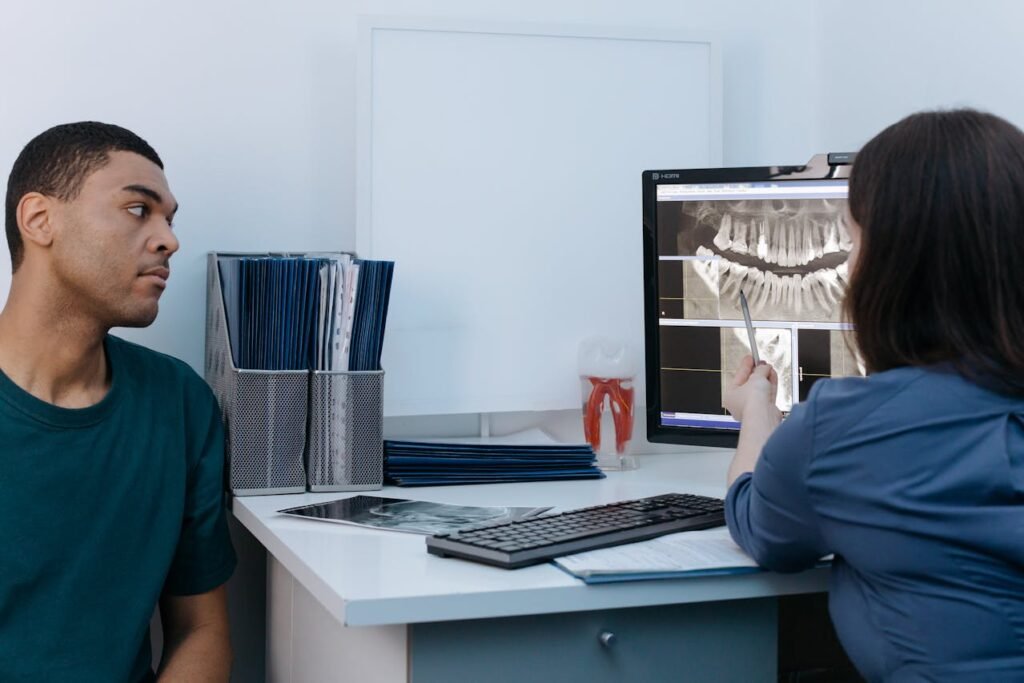
Regular monitoring is essential to assess treatment efficacy and disease progression. Dual-energy X-ray absorptiometry (DEXA) scans are the gold standard for measuring bone mineral density (BMD), generating bone scan results that inform diagnostic and therapeutic decisions. Beyond BMD, vertebral fracture assessment (VFA) can detect asymptomatic vertebral fractures, which are significant predictors of future fractures. For women experiencing menopause bone loss, early and consistent monitoring is crucial to intervene before significant density loss occurs. The National Osteoporosis Foundation (NOF) offers valuable information on bone density testing and interpreting results.
Managing Comorbidities and Medications
Effective arthritis bone care is often complex, as inflammatory conditions can directly impact bone health. For instance, rheumatoid arthritis increases fracture risk due to inflammation, corticosteroid use, and reduced mobility. Similarly, managing chronic diseases like diabetes, hyperthyroidism, and kidney disease is vital, as they can all indirectly affect bone metabolism. A thorough review of all medications, including over-the-counter drugs, is necessary, as many can have adverse effects on bone density or increase fall risk. Patients and healthcare providers should regularly review medication lists to identify and mitigate such risks, as highlighted by health organizations such as the American Association of Retired Persons (AARP) concerning medication side effects.
Lifestyle and Environmental Modifications
Beyond direct medical and nutritional interventions, proactive lifestyle adjustments and environmental modifications significantly contribute to fracture prevention.
Fall Prevention Strategies
Given that a majority of fragility fractures result from falls, comprehensive fall prevention strategies are paramount. This includes home safety assessments to remove tripping hazards (loose rugs, cluttered pathways), ensuring adequate lighting, installing grab bars in bathrooms, and using non-slip mats. Regular vision checks and appropriate eyewear correction are also crucial. For older adults, participation in balance-enhancing programs is highly recommended. The World Health Organization (WHO) provides global insights and strategies for fall prevention.
Tobacco and Alcohol Cessation
Smoking is a well-established fracture risk factor, impairing bone blood supply, interfering with calcium absorption, and increasing bone resorption. Excessive alcohol consumption can directly toxic to osteoblasts, impair nutrient absorption, and increase the risk of falls. Complete cessation or significant reduction in these habits is a powerful intervention for bone health.
Stress Management
Chronic psychological stress can elevate cortisol levels, which can negatively impact bone metabolism over time. Incorporating stress-reduction techniques such as mindfulness, meditation, and regular engagement in hobbies can indirectly support overall physiological health, including bone integrity.
Table: Key Micronutrients for Bone Health and Their Sources
| Nutrient | Primary Role in Bone Health | Excellent Food Sources |
|---|---|---|
| Calcium | Bone structure, density | Dairy, fortified plant milks, leafy greens, sardines |
| Vitamin D | Calcium absorption & utilization | Fatty fish, fortified foods, sun exposure |
| Magnesium | Bone mineralization, calcium regulation | Leafy greens, nuts, seeds, whole grains, legumes |
| Vitamin K2 | Directs calcium to bones, prevents arterial calcification | Fermented foods (natto), hard cheeses, egg yolks |
| Protein | Collagen matrix formation, bone repair | Lean meats, poultry, fish, legumes, eggs, dairy |
| Zinc | Bone formation, collagen synthesis | Oysters, red meat, poultry, beans, nuts |
Frequently Asked Questions (FAQ)
Q1: How often should bone density tips be reviewed or updated in practice?
A1: Bone density tips and care plans should be reviewed annually for individuals at high risk or on specific treatments. For those with stable bone density and lower risk, reviews might occur every 2-3 years. However, any significant change in health status, medication, or lifestyle warrants an immediate re-evaluation.
Q2: Can bone strength exercises reverse osteoporosis?
A2: While bone strength exercises are crucial for maintaining and increasing bone density, they typically cannot fully “reverse” established osteoporosis. They can, however, significantly slow bone loss, improve bone strength, and reduce fracture risk by building muscle and improving balance. In some cases, modest increases in BMD may be observed.
Q3: What are the primary signs of menopause bone loss that practitioners should look for?
A3: Menopause bone loss is often asymptomatic initially. Practitioners should be vigilant for a rapid decline in bone mineral density identified via DEXA scans, particularly within the first 5-10 years post-menopause. Other indirect signs might include new vertebral compression fractures (often painless), height loss, or the development of a “dowager’s hump,” though these usually indicate significant, advanced bone loss.
Q4: Are there specific bone healing foods that can accelerate recovery after a fracture?
A4: Yes, a focus on bone healing foods post-fracture is beneficial. Key nutrients include adequate protein (for collagen and tissue repair), Vitamin C (collagen synthesis), Zinc (immune function and tissue repair), Vitamin K2 (calcium utilization), and of course, Calcium and Vitamin D. A balanced diet rich in these nutrients, alongside sufficient calories, is crucial for optimal healing.
Q5: How does senior bone health management differ from managing bone health in younger adults?
A5: Senior bone health management places a greater emphasis on fall prevention, addressing comorbidities that impact bone density (e.g., polypharmacy, chronic diseases), and optimizing nutrient absorption which can decline with age. While younger adults focus on achieving and maintaining peak bone mass, older adults prioritize preserving existing bone density and preventing fragility fractures.
Conclusion
Mitigating fracture risk in adult populations necessitates an advanced, holistic, and personalized approach that extends beyond conventional wisdom. By deeply understanding the complex interplay of fracture risk factors, implementing sophisticated nutritional strategies, adopting targeted weight bearing workouts and bone strength exercises, leveraging advanced pharmacological interventions informed by bone scan results, and making proactive lifestyle modifications, healthcare professionals can significantly improve patient outcomes. The future of senior bone health and indeed, bone health across the adult lifespan, lies in this integrated paradigm, ensuring greater independence and quality of life for all. Ongoing research continues to refine our understanding, emphasizing the critical role of individualized care and proactive prevention strategies in building a resilient, fracture-free future. For further public health guidance on healthy aging and bone health, consult resources from organizations like the U.S. Department of Health and Human Services.