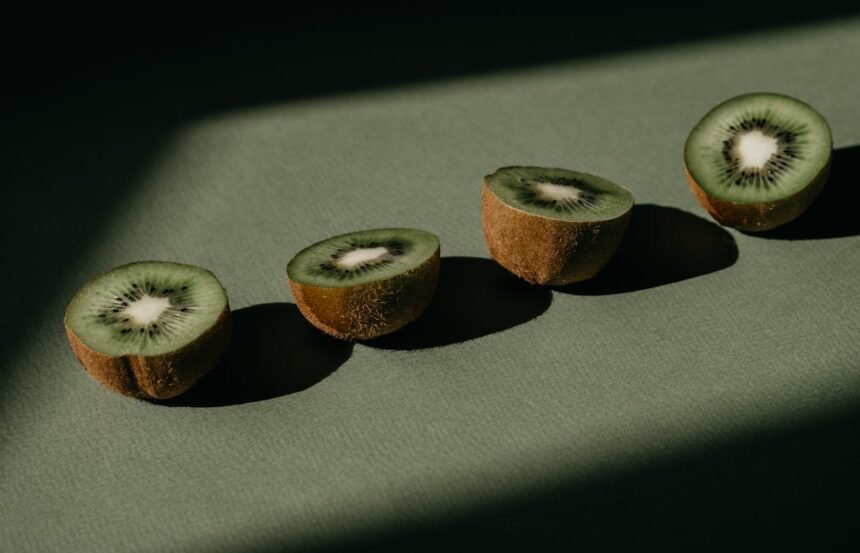
We often hear about ‘superfoods’ in the media, a term that can sometimes feel overused. However, when it comes to the fuzzy kiwifruit, the praise is entirely justified by science. Inside this small, unassuming fruit lies a complex matrix of bioactive compounds designed to protect living tissue.
Your body is in a constant state of metabolic activity. Every time you breathe, digest food, or exercise, chemical reactions occur that produce by-products known as free radicals. While these are natural, an overload can lead to significant cellular damage over time. This biological rust is what scientists call oxidative stress.
Fortunately, nature provides a defence mechanism. Dietary antioxidants are the frontline soldiers that neutralise these threats. Among the fruit bowl, the kiwi stands out not just for its unique flavour, but for its exceptional nutrient density.
In this article, we will explore exactly how the antioxidants in kiwi work, the science behind oxidative stress, and how adding this fruit to your daily routine can support long-term health.
Overview
The kiwifruit, originally known as the Chinese gooseberry, is nutrient-dense and low in calories. While it is famous for its high vitamin C content, its antioxidant profile is far more comprehensive. It contains a synergistic blend of vitamins, flavonoids, and carotenoids that work together to scavenge free radicals.
Research indicates that consuming kiwi regularly can increase the antioxidant capacity of your blood plasma. This means your body becomes better equipped to handle the physiological stress caused by pollution, UV radiation, and poor diet.
According to the NHS, antioxidants play a crucial role in preventing damage to cells. The kiwi is particularly unique because it delivers these nutrients in a matrix that is easily absorbed by the human body. Unlike supplements, which isolate nutrients, the whole fruit provides the fibre and enzymes necessary for optimal uptake.
Understanding the relationship between the food we eat and cellular health is the first step towards longevity. The kiwi represents a simple, delicious intervention that requires no prescription—only a trip to the greengrocer.
Symptoms and causes of oxidative stress
To understand why the antioxidants in kiwi are so vital, we must first understand the problem they solve: oxidative stress. This is a condition where there is an imbalance between free radicals and antioxidants in your body.
What causes oxidative stress?
Free radicals are oxygen-containing molecules with an uneven number of electrons. The uneven number makes them easily react with other molecules. Causes of excess free radical production include:
- Environmental factors: Exposure to cigarette smoke, air pollution, and industrial chemicals.
- Diet: High intake of processed foods, sugar, and alcohol.
- Physical stress: Excessive exercise can temporarily increase oxidative stress, although moderate exercise reduces it long-term.
- Radiation: Excessive sun exposure (UV rays).
According to Cancer Research UK, protecting our cells from this damage is a key component in reducing the risk of chronic diseases.
Symptoms of cellular damage
Unlike a broken bone or a rash, you cannot always feel oxidative stress immediately. It is a silent process. However, long-term exposure manifests in several ways:
- Premature ageing: Wrinkles and loss of skin elasticity are often caused by free radical damage to collagen.
- Fatigue: When mitochondria (the power plants of cells) are damaged, energy levels drop.
- Inflammation: Chronic oxidative stress triggers the immune system, leading to systemic inflammation.
- Cognitive decline: The brain is highly susceptible to oxidative damage due to its high oxygen consumption.
If you frequently feel run down, have dull skin, or are recovering slowly from illness, your body may be crying out for increased antioxidant support.
Diagnosis and treatment: The Kiwi solution
While doctors do not typically run a specific lab test for ‘oxidative stress’ in a general check-up, nutritional deficiencies are common. The ‘treatment’ for a lack of dietary antioxidants is straightforward: introduce high-potency whole foods.
Kiwifruit serves as a potent therapeutic food due to its unique chemical composition. Here is how it targets the problem.
1. Vitamin C: The primary defender
Kiwi is one of the richest sources of Vitamin C available. A single Gold kiwifruit can provide over 100% of your daily requirement. Vitamin C is water-soluble and acts as a primary donor of electrons to unstable free radicals.
As highlighted by Healthline, the high Vitamin C content in kiwis is also essential for collagen synthesis, helping to repair the skin barrier and maintain tissue integrity.
2. Vitamin E: Protection for cell membranes
Unusually for a low-fat food, kiwifruit contains significant amounts of Vitamin E (tocopherol). Vitamin E is fat-soluble and protects the fatty outer layer of your cells from oxidation. This is critical for maintaining the health of your red blood cells and neurons.
Referencing data from the National Institutes of Health, Vitamin E acts as a powerful chain-breaking antioxidant, preventing the propagation of free radical damage in membranes.
3. Polyphenols and Flavonoids
These are plant compounds that provide the fruit with its colour and offer potent anti-inflammatory effects. In kiwis, these are found in high concentrations in the skin (yes, the skin is edible!).
4. Comparison of Nutrient Density
To visualise the efficacy of kiwi, compare it to other common fruits. The following table illustrates the antioxidant density per 100g serving.
| Nutrient / Compound | Green Kiwi | Gold Kiwi | Orange | Apple (with skin) |
|---|---|---|---|---|
| Vitamin C (mg) | 92.7 | 161.3 | 53.2 | 4.6 |
| Vitamin E (mg) | 1.46 | 1.49 | 0.18 | 0.18 |
| Potassium (mg) | 312 | 315 | 181 | 107 |
| Fibre (g) | 3.0 | 1.4 | 2.4 | 2.4 |
| Glycaemic Index | 39 (Low) | 48 (Low) | 43 (Low) | 36 (Low) |
Data approximated from standard nutritional databases.
The British Nutrition Foundation emphasises the importance of variety, but purely for antioxidant volume, the kiwi is difficult to beat.
Tips for management: Maximising absorption
To get the most out of the antioxidants in kiwi, how you eat and store them matters. Here are evidence-based tips to manage your intake effectively.
Eat the skin
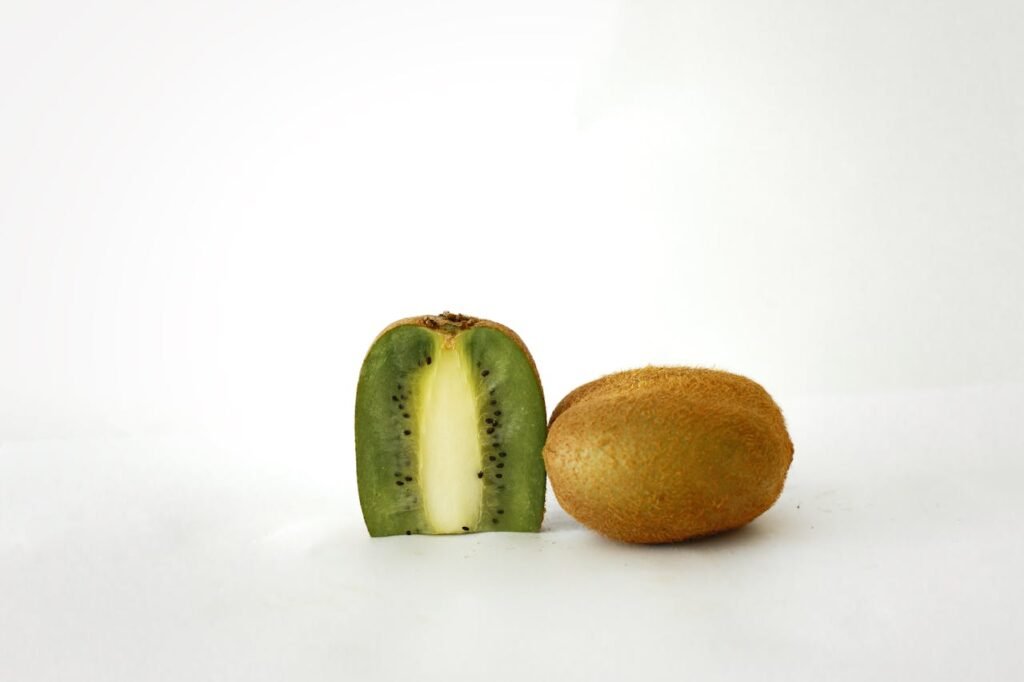
It may sound unappealing to some, but the fuzzy skin of the green kiwi and the smooth skin of the gold kiwi are edible. In fact, consuming the skin increases the fibre content by 50% and triples the folate intake. Just be sure to wash the fruit thoroughly to remove any debris. For culinary inspiration, BBC Good Food offers excellent suggestions on preparation.
Pair with iron-rich foods
The Vitamin C in kiwi significantly enhances the absorption of non-haeme iron (iron from plant sources). If you eat spinach, lentils, or fortified cereals, add a sliced kiwi to the meal. This is particularly beneficial for vegetarians or those prone to anaemia.
Do not cook it
Vitamin C is heat-sensitive. Cooking kiwifruit will destroy a significant portion of its antioxidant capacity. Eat it raw for maximum benefit. Adding it to a fruit salad or blending it into a smoothie is ideal.
Watch the sugar
While kiwis are low-GI, they do contain natural fructose. Diabetes UK confirms that whole fruit is good for everyone, but portion control is still important if you are managing blood glucose levels.
Storage matters
Keep unripe kiwis at room temperature. Once ripe, store them in the fridge to preserve their Vitamin C content. They can last for up to two weeks in the refrigerator.
Frequently Asked Questions
Can I be allergic to kiwi?
Yes. Kiwi allergy is increasingly common. It is often linked to ‘latex-fruit syndrome’. If you are allergic to latex, avocados, or bananas, you may react to kiwi. Symptoms can range from a mild itch to anaphylaxis. Anaphylaxis UK provides detailed guidance on managing this risk.
Is Gold or Green kiwi better for antioxidants?
Generally, Gold kiwis (SunGold) contain higher levels of Vitamin C, while Green kiwis are higher in dietary fibre and the enzyme actinidin, which aids digestion. Both are excellent choices.
Does kiwi interact with medications?
Kiwi is generally safe. However, because it contains significant Vitamin K (which helps blood clotting) and potassium, sudden massive increases in intake could theoretically interact with blood thinners or kidney medications. Always consult your GP, consistent with advice from the British Heart Foundation.
Can kiwi help with sleep?
Emerging research suggests it might. Kiwis contain serotonin, a precursor to melatonin. Some studies indicate that eating two kiwis before bed may improve sleep onset and duration. You can read more about sleep hygiene on GOV.UK.
The bottom line
Incorporating kiwi into your diet is one of the simplest, most effective ways to boost your antioxidant intake. This small fruit punches well above its weight, offering a dense concentration of Vitamin C, Vitamin E, and polyphenols that work in harmony to protect your cells from oxidative stress.
While no single food can cure all ailments, the evidence supporting the kiwi is robust. It supports your immune system, aids heart health, and may even help repair DNA damage. By eating just one or two a day—ideally with the skin on—you are providing your body with the tools it needs to maintain resilience against the wear and tear of modern life.
Start prioritising your cellular health today. Your body will thank you for it in the long run.