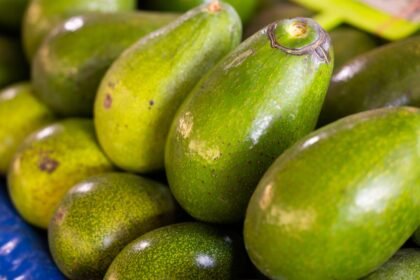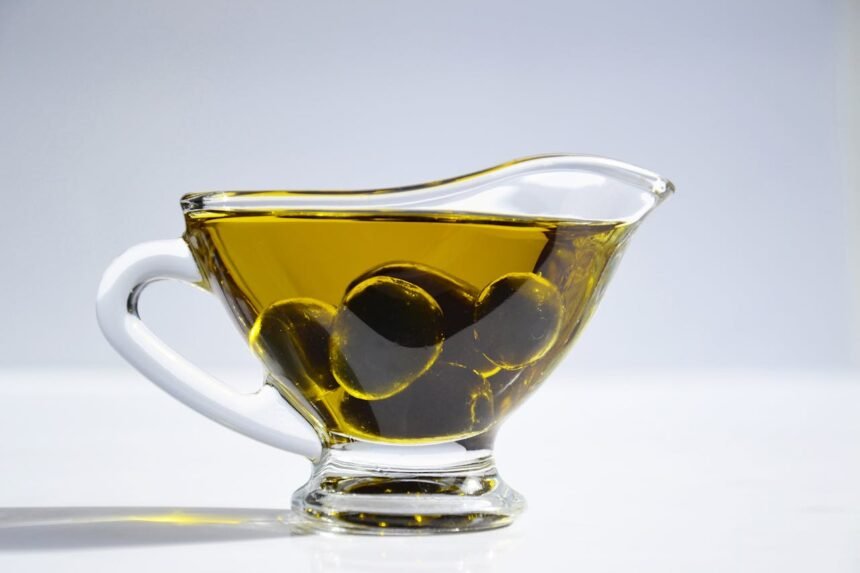
When you walk down the oil aisle at your local grocer, the sheer variety of extra virgin olive oil (EVOO) can be overwhelming. However, if you are looking for a versatile, crowd-pleasing option that lacks the harsh bitterness of traditional oils, arbequina olive oil is your best bet. Originating from the small village of Arbeca in Catalonia, Spain, these tiny Spanish olives have gained global acclaim for their buttery texture and delicate, fruity profile.
Whether you are a seasoned chef or someone just starting to explore a Mediterranean diet, understanding the unique characteristics of this oil can elevate your culinary game while supporting your wellbeing. In this guide, we will explore the science-backed benefits, nutritional profile, and the best ways to utilise this liquid gold in your daily life.
What Makes Arbequina Olive Oil Unique?
Unlike many robust oils that dominate the palate, arbequina olive oil is prized for its mildness. It is typically cold-pressed to preserve its chemical integrity and sensory properties. This process ensures that the oil retains its high concentration of antioxidant benefits, which are crucial for fighting oxidative stress in the body. According to the NHS, choosing unsaturated fats over saturated ones is a vital step in maintaining a healthy lifestyle.
The harvest period for these olives usually begins in early autumn. When harvested early, the oil carries hints of green apple and fresh grass; when harvested later, it develops a more pronounced nutty flavour and a smooth, almond-like finish. Because it has a low acidity level, it is incredibly gentle on the digestive system and the palate alike.
Arbequina vs. Traditional Extra Virgin Olive Oil
To help you decide which oil belongs in your cupboard, let’s look at how Arbequina compares to more robust varieties like Picual or Coratina.
| Feature | Arbequina Olive Oil | Robust Varieties (e.g., Picual) |
|---|---|---|
| Flavour Profile | Sweet, buttery, fruity, mild | Peppery, bitter, intense |
| Polyphenol Content | Medium | High |
| Smoke Point | Approximately 190-210°C | Approximately 210°C+ |
| Best Use | Dressing, baking, seafood | Frying, stews, red meat |
| Shelf Life | 6–12 months | 18–24 months |
The Nutritional Powerhouse: Science-Backed Health Benefits
One of the primary reasons health experts at the Mayo Clinic recommend olive oil is its high concentration of monounsaturated fats. These fats are essential for heart health tips that focus on reducing inflammation and improving cholesterol profiles.
Research published in Nature suggests that the polyphenols found in high-quality olive oils can help protect the cardiovascular system. While Arbequina has a slightly lower polyphenol count than more bitter oils, it still provides a significant dose of oleic acid and Vitamin E.
- Heart Health: Regular consumption can help lower LDL (bad) cholesterol while maintaining HDL (good) cholesterol levels. Learn more about cholesterol control through dietary choices.
- Anti-Inflammatory Properties: The oil contains oleocanthal, a compound that mimics the effect of ibuprofen in reducing inflammation relief. This is supported by studies cited by The Arthritis Foundation.
- Rich in Antioxidants: It provides a protective barrier against cellular damage, helping to superfoods list your body’s natural defences.
- Skin Vitality: Many people use arbequina olive oil topically for skin health, as it is rich in squalene and vitamin E sources.
Culinary Uses: How to Use Arbequina in Your Kitchen
Because of its delicate nature, the culinary uses for this oil are vast. It is often referred to as a “gateway” olive oil for those who find the peppery kick of other oils off-putting. It is a staple amongst kitchen staples for its ability to enhance rather than overpower ingredients.
1. Perfect for Dressings and Drizzling
Due to its fruity notes, it pairs beautifully with citrus or balsamic vinegars. Use it to finish a fresh salad or drizzle it over steamed vegetables to add a rich, silky texture. Check out our nutrition guide for more ways to balance your meals.
2. A Secret Ingredient in Baking
Surprisingly, arbequina olive oil is an excellent substitute for butter in baking. Its buttery undertones work well in lemon cakes, muffins, and even brownies, providing moisture without a heavy “olive” taste. This is a great tip for weight management as it replaces saturated fats with healthier alternatives, a practice supported by World Health Organization guidelines.
3. Low-Heat Sautéing
While some worry about the smoke point, Arbequina is stable enough for most home cooking, including light sautéing of fish or poultry. According to Harvard Health, most high-quality extra virgin oils are safe for cooking at moderate temperatures. Explore more about cooking oils in our detailed resource.
Maximising the Shelf Life of Your Oil
One drawback of Arbequina is its shorter shelf life compared to more robust oils. This is because its lower polyphenol count makes it more susceptible to oxidation. To ensure you get the most out of your purchase, follow these steps:
- Keep it cool: Store your bottle in a cool, dark cupboard away from the stove.
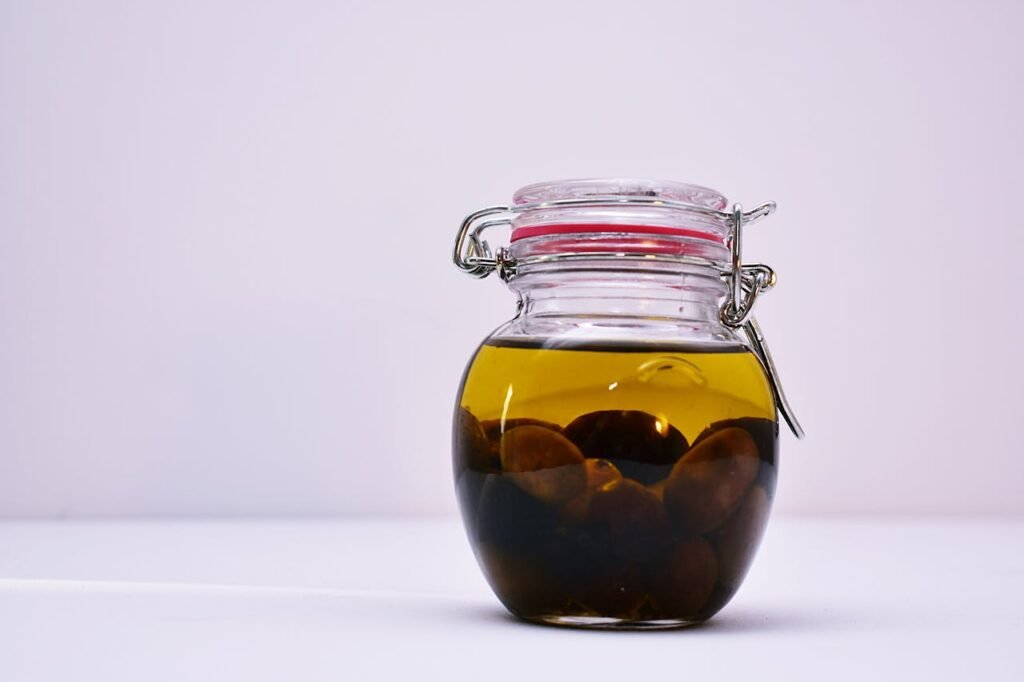
- Avoid light: Purchase oil in dark glass bottles or tins to block UV rays, which can degrade the oil.
- Seal it tight: Oxygen is the enemy of freshness. Always replace the cap immediately after use to protect the healthy fats inside.
- Buy small: Since it oxidises faster, it is often better to buy smaller quantities that you can use within a few months.
The European Food Safety Authority (EFSA) notes that the protection of LDL particles from oxidative stress is specifically linked to the polyphenol content in olive oil, so keeping your oil fresh is paramount for health.
Beyond the Kitchen: Arbequina for Beauty
The benefits of arbequina olive oil extend to your skincare routines. Its mild scent and high Vitamin E content make it an excellent natural moisturiser. Research in PubMed has explored how plant oils can repair the skin barrier.
For those interested in natural remedies, a small amount of this oil can be used to treat dry cuticles or as a deep-conditioning hair mask. Its low acidity means it is less likely to irritate sensitive skin than more aggressive oils.
Frequently Asked Questions (FAQs)
Can I use Arbequina olive oil for deep frying?
While the smoke point of arbequina olive oil (around 190-210°C) is high enough for light frying, it is generally not recommended for deep frying. The high heat can destroy its delicate flavours and nutritional compounds. For high-heat cooking, you might consider oils with higher stability, as discussed by The British Nutrition Foundation.
Is Arbequina olive oil good for weight loss?
Like all oils, it is calorie-dense. however, the monounsaturated fats it contains can increase satiety, helping you feel fuller for longer. Integrating it into a balanced diet, as suggested by Diabetes UK, can be a helpful part of a weight-conscious eating plan. Check our digestive health section for more on how fats affect metabolism.
How can I tell if my Arbequina oil has gone bad?
If the oil has a musty, “cardboard-like,” or rancid smell, it has oxidised. Fresh arbequina olive oil should smell slightly like green fruit or almonds. Consuming rancid oil is not harmful in small amounts but loses all the antioxidant benefits mentioned in studies by ScienceDaily.
The Bottom Line
Arbequina olive oil is a versatile, heart-healthy addition to any kitchen. Its silky texture and mild flavour profile make it the perfect entry point for those looking to improve their diet without sacrificing taste. By choosing high-quality, cold-pressed versions and storing them correctly, you can enjoy the myriad of benefits this ancient Spanish olive variety has to offer. For more advice on healthy living, explore the British Medical Journal’s latest findings on dietary fats and long-term health, or see our full nutrition guide.