If you are a dog owner, you are likely familiar with the pleading stare your canine companion gives you whenever you are chopping vegetables in the kitchen. As responsible pet parents, we want to share our food, but we also need to ensure that what goes into their bowl is safe, nutritious, and beneficial.
One of the most common questions veterinarians encounter regarding human food is: Can dogs eat carrots?
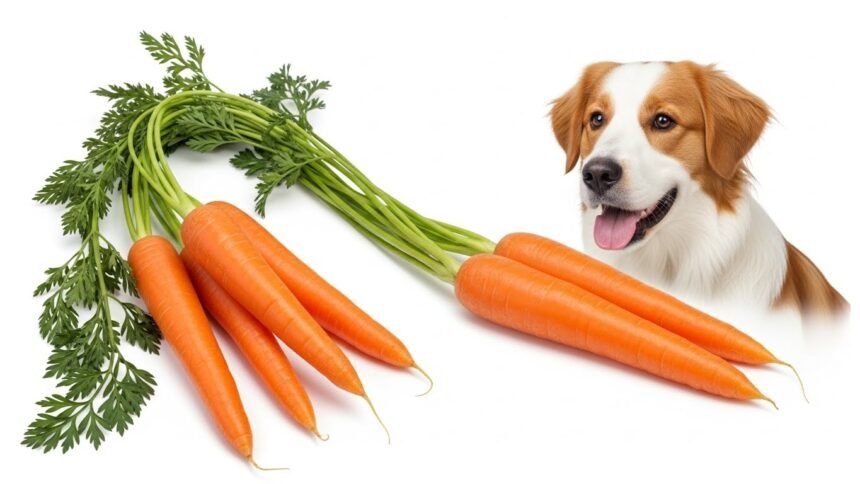
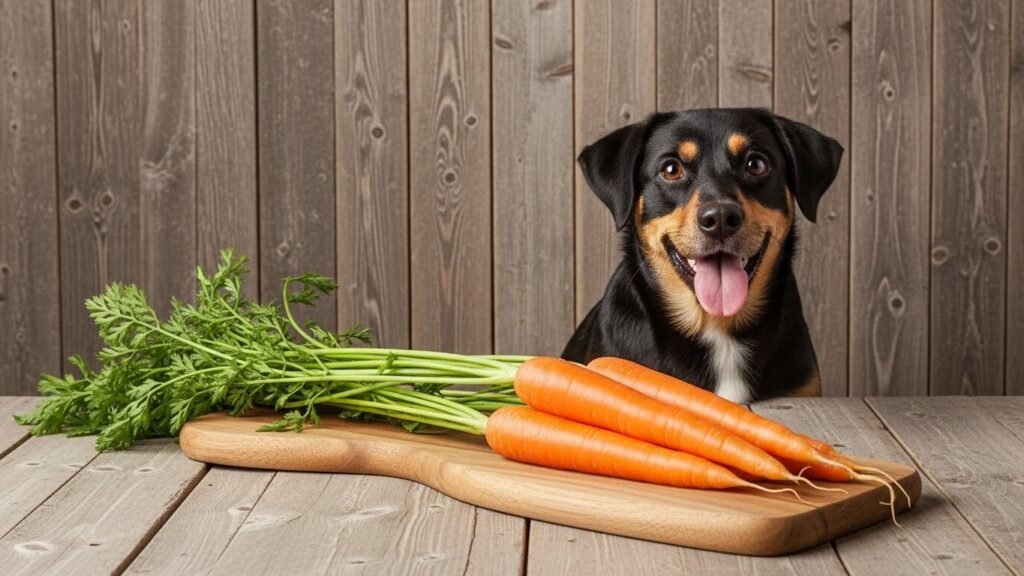
The short answer is a resounding yes. Carrots are an excellent, low-calorie snack that most dogs love. However, like any addition to your pet’s diet, there are nuances regarding preparation, quantity, and potential risks that must be considered.
This article provides an exhaustive look at the benefits and safety of carrots for dogs, backed by nutritional science and veterinary guidelines.
The Nutritional Powerhouse: What is in a Carrot?
Before tossing a carrot to your pup, it is helpful to understand why it is considered a healthy option. Carrots are nutrient-dense root vegetables that offer a variety of vitamins and minerals essential for canine health.
Unlike many commercial dog treats, which can be laden with fillers, artificial preservatives, and high fat content, carrots are a clean source of energy. According to the U.S. Department of Agriculture (USDA), a medium-sized raw carrot contains approximately:
- Calories: 25
- Fat: 0g
- Carbohydrates: 6g
- Fibre: 1.7g
- Sugar: 2.9g
Key Nutrients for Canines
1. Beta-Carotene (Vitamin A)
Carrots are famous for their rich orange colour, which comes from beta-carotene. When ingested, a dog’s body converts beta-carotene into Vitamin A. This is crucial for maintaining vision, specifically night vision, and supporting the immune system.
2. Fibre
Dietary fibre is essential for regulating the digestive tract. It can help firm up loose stools and aid in regular bowel movements. This is particularly beneficial for dogs that suffer from anal gland issues, a common complaint in veterinary practices.
3. Potassium
This electrolyte aids in the functioning of electrical charges in the heart, nerves, and muscles. A deficiency in potassium can lead to lethargy and muscle weakness.
4. Vitamin K1
Also known as phylloquinone, Vitamin K1 is vital for blood clotting and bone health.
Health Benefits of Carrots for Dogs
Incorporating carrots for dogs into a regular diet can yield tangible health improvements over time. Beyond basic nutrition, there are functional benefits that make this vegetable a favourite among vets.
Dental Health Support
While eating carrots is certainly not a replacement for daily brushing or professional veterinary cleanings, the mechanical action of chewing on a raw carrot can help act as a natural dental abrasive.
Chewing on hard vegetables gently scrapes away plaque buildup on the surface of the tooth. Furthermore, the act of chewing stimulates saliva production. Saliva is the mouth’s first line of defence against bacteria, helping to restore the pH balance in the mouth and protect enamel. For further reading on canine dental care, the American Kennel Club (AKC) offers excellent resources.
Weight Management
Obesity is a growing epidemic in the pet population, particularly in the UK. High-calorie commercial treats are often the culprit. Because carrots are low in calories and virtually fat-free, they make an ideal substitute for training treats.
The high water and fibre content also provide satiety, meaning your dog feels fuller without consuming excessive energy. This is a strategy often recommended by organisations like the RSPCA for managing overweight pets.
Vision Health
While the old adage that carrots help you see in the dark is slightly exaggerated, the Vitamin A derived from beta-carotene is essential for eye health. It helps prevent macular degeneration and cataract development, particularly in senior dogs.
Raw vs. Cooked: Which is Better?
This is a common point of confusion for pet owners. The digestive system of a dog is different from that of a human.
Dogs do not possess the enzyme cellulase, which is required to break down cellulose—the tough outer cell wall of plant matter. This means that if a dog eats a large chunk of raw carrot, it often passes through the digestive tract relatively unchanged. You may have noticed orange chunks in your dog’s stool; this is undigested carrot.
The Case for Cooked Carrots
To maximise nutritional absorption, lightly cooking the carrots is superior. Steaming or boiling the vegetable breaks down the cellular walls, allowing the dog’s digestive enzymes to access the vitamins and minerals inside.
Research highlighted by Healthline suggests that cooking carrots can actually increase the availability of beta-carotene.
The Case for Raw Carrots
However, raw carrots are not useless. They are superior for dental health due to their hardness. If you are feeding carrots primarily as a low-calorie chew toy or for dental benefits, raw is the way to go. If you are feeding them for vitamin absorption, cooked is better.
Potential Risks and Precautions
While generally safe, there are specific scenarios where carrots can pose a risk.
Choking Hazards
The most immediate danger associated with carrots is choking. This is particularly true for small breeds, puppies, or dogs that tend to gulp their food without chewing.
Prevention:
- Never feed a whole carrot to a dog unless they are very large and known to chew thoroughly.
- Cut raw carrots into bite-sized rounds or sticks (batons).
- For very small dogs, grate the carrot over their food.
Sugar Content and Diabetes
Carrots have a higher sugar content than leafy greens. While the sugar is natural and accompanied by fibre (which slows absorption), owners of diabetic dogs should consult their vet. The Veterinary Partner network advises strictly monitoring carbohydrate intake for diabetic pets.
Vitamin A Toxicity?
Hypervitaminosis A (Vitamin A toxicity) is a valid concern with organ meats or synthetic supplements, but it is extremely rare to achieve this toxicity through carrots alone. The body regulates the conversion of beta-carotene to Vitamin A, stopping the process when the body has enough.
Practical Tips for Serving Carrots
If you are ready to introduce this vegetable to your dog’s bowl, here are some veterinary-approved methods.
1. The Teething Puppy Solution
Puppies experience significant discomfort when teething. A cold, frozen whole carrot can act as an edible teething ring.
The cold soothes the inflamed gums, and the carrot is safer than many plastic toys that can be swallowed. Note: Always supervise your puppy with a frozen carrot to ensure they do not swallow the last large chunk whole.
2. The Training Treat
Dice raw carrots into tiny cubes (about the size of a pea). These can be used for clicker training. They are non-messy, easy to carry in a pocket, and low-calorie enough to use in high volumes during a session.
3. The Meal Topper
For picky eaters, try steaming carrots until soft, mashing them, and mixing them into dry kibble. This adds moisture and flavour, encouraging the dog to eat.
4. Dehydrated Chews
If you have a food dehydrator, you can make carrot jerky. Slice carrots into thin strips and dehydrate them. This creates a chewy, leather-like texture that dogs find intriguing.
How Much is Too Much?
Even healthy foods should be consumed in moderation. Veterinarians generally recommend the 10% Rule. Treats, including fruits and vegetables, should make up no more than 10% of your dog’s total daily calorie intake.
| Dog Size | Approximate Weight | Max Carrot Intake (Daily) |
|---|---|---|
| Toy | 2–5 kg | 1–2 baby carrots or thin slices |
| Small | 6–10 kg | 2–3 baby carrots |
| Medium | 11–25 kg | 1 medium carrot |
| Large | 26–40 kg | 1–2 medium carrots |
| Giant | 45+ kg | 2+ medium carrots |
Always introduce new foods slowly to avoid gastric upset, such as diarrhoea or excessive gas.
Alternatives to Carrots
If your dog turns their nose up at carrots, or if you want to rotate their vegetable intake for variety, there are other safe options.
- Green Beans: Excellent low-calorie filler. Read more at PetMD.
- Cucumber: High water content, great for hydration.
- Pumpkin: Excellent for digestion, specifically pureed pumpkin (not pie filling). The Dogs Trust provides lists of safe substances.
- Broccoli: Safe in small amounts (high quantities can cause gastric irritation).
Avoid onions, garlic, grapes, and raisins, as these are toxic to dogs. For a comprehensive list of toxins, consult The Kennel Club.
Scientific Context: Bioavailability
Understanding bioavailability is key. A study found on PubMed regarding canine digestion indicates that dogs are omnivores with a carnivorous bias. Their digestive tract is shorter than that of a true herbivore.
Therefore, processing the vegetable (grating, steaming, pureeing) mimics the “pre-digestion” that wild ancestors might have encountered when eating the stomach contents of prey. This ensures your dog actually utilizes the nutrients rather than just passing them.
For those interested in the intricacies of pet nutrition, the World Small Animal Veterinary Association (WSAVA) offers global guidelines that emphasise the importance of a balanced diet over trends.
The Bottom Line
Carrots are a safe, affordable, and nutritious addition to your dog’s diet. They support eye health, improve dental hygiene, and serve as an excellent low-calorie treat for weight management.
Key Takeaways:
- Preparation: Wash thoroughly and peel. Cut into safe sizes to prevent choking.
- Cooking: Steam or boil for maximum nutrient absorption; serve raw for dental benefits.
- Quantity: Follow the 10% rule to prevent digestive upset or nutritional imbalance.
- Safety: Watch for choking in small dogs and monitor sugar intake for diabetics.
By treating carrots as a supplement to a complete and balanced commercial or veterinary-approved diet, you can give your dog a crunchy reward that loves them back.
Always consult your veterinarian before making significant changes to your pet’s diet, especially if they have pre-existing health conditions like diabetes or food allergies. For more information on general pet safety, resources like the PDSA are invaluable for UK pet owners.