If you have ever prepared a salad or a sauce, you might have found yourself painstakingly removing the wet, gel-like centre of a tomato. For decades, culinary traditions and old wives’ tales have suggested that eating tomato seeds is either bad for the texture of a dish or, worse, bad for your health.
However, in the world of nutrition, we often discover that the parts of fruits and vegetables we discard are actually packed with nutrients. This raises an important question: should we really be scooping them out, or are we throwing away valuable health benefits?
There is a fair amount of confusion surrounding tomato seeds, ranging from concerns about digestion to myths about toxicity. Yet, current research paints a very different picture—one where the seeds might play a subtle but significant role in a balanced diet.
This article provides a comprehensive look at the nutritional value, potential benefits, and safety of consuming tomato seeds, separating scientific fact from persistent fiction.
Overview: What Are Tomato Seeds?
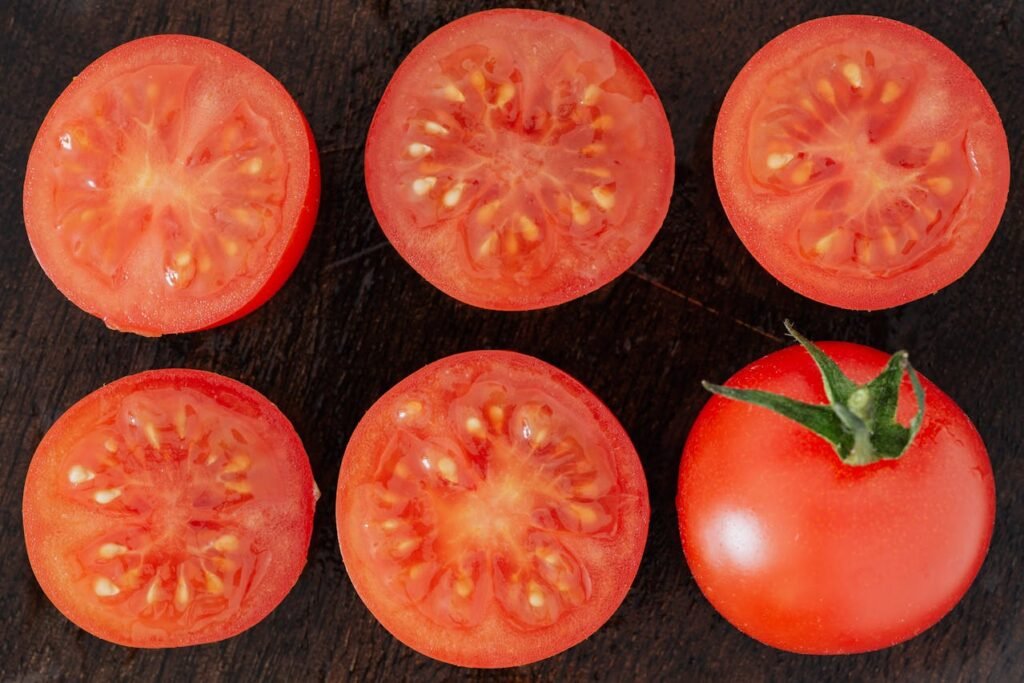
Tomato seeds are the small, hard pips found suspended in the locular gel (the jelly-like substance) within the fruit. While the flesh of the tomato gets most of the glory for its rich flavour and high lycopene content, the seeds are biologically designed to nourish a potential new plant.
Consequently, they are dense stores of nutrients. Historically, advice to avoid seeds stemmed from specific medical concerns, particularly regarding gut conditions like diverticulitis. However, modern medical consensus has shifted significantly on this front.
Rather than being a dangerous byproduct, these seeds are composed of dietary fibre, essential fatty acids, and amino acids. They contribute to the overall nutritional profile of the tomato, meaning that removing them actually lowers the total benefit you receive from the fruit.
Understanding the distinction between the seed itself and the surrounding gel is also important. The gel contains different compounds compared to the hard shell of the seed, and together they offer a complex matrix of bioactive substances.
Nutritional Breakdown and Health Benefits
To understand why eating tomato seeds might be beneficial, we must look at what they contain. While they are small, their cumulative impact on your diet can be positive, especially regarding heart health and digestion.
1. A Source of Dietary Fibre
The outer shell of a tomato seed is tough and largely resistant to digestion. This might sound like a negative, but it is actually beneficial for your gut. This indigestible portion serves as insoluble fibre.
Insoluble fibre adds bulk to your stool and helps food pass more quickly through the stomach and intestines. According to Guts UK, increasing fibre intake is crucial for preventing constipation and maintaining a healthy digestive system.
By de-seeding your tomatoes, you are reducing the total fibre content of your meal, which may leave you feeling less satiated.
2. Rich in Antioxidants and Lycopene
Most people associate lycopene—the pigment that gives tomatoes their red colour—with the skin and flesh. However, the seeds and the gel surrounding them also contain significant amounts of antioxidants.
Lycopene is a powerful antioxidant known for its potential to reduce the risk of chronic diseases. As noted by Healthline, lycopene intake is linked to heart health and protection against certain types of cancer.
Crucially, the bioavailability of lycopene (how well your body absorbs it) can be influenced by the presence of fats. Since tomato seeds contain small amounts of natural oils, consuming the whole tomato may theoretically aid in the absorption of these fat-soluble nutrients.
3. Natural Blood Circulation Aids
One of the most fascinating areas of research regarding tomato seeds involves the gel that surrounds them. This substance, often discarded, contains compounds that may help improve blood flow.
Studies have suggested that the colourless fluid around the seeds contains salicylates and other bioactive components that have an anti-clotting effect, similar to a very mild aspirin. This helps keep platelets in the blood from clumping together.
Maintaining healthy blood flow is vital for reducing the risk of cardiovascular events. While eating tomatoes is not a substitute for medication, a heart-healthy diet as recommended by the British Heart Foundation benefits from the inclusion of whole fruits and vegetables.
4. Essential Fatty Acids
Tomato seeds yield an oil that is rich in unsaturated fatty acids. Specifically, they contain linoleic acid (an Omega-6 fatty acid) and oleic acid.
While we typically do not eat enough tomato seeds to intake massive amounts of fat, every bit contributes to the balance of fats in our diet. These healthy fats are essential for cell function and maintaining healthy skin and hair.
5. Amino Acids and Minerals
Finally, the seeds are a source of plant-based protein and minerals. They contain varying amounts of:
- Potassium: Essential for fluid balance.
- Magnesium: Vital for muscle function.
- Zinc: Important for immune health.
Including a variety of vegetables in your diet, as outlined in the GOV.UK Eatwell Guide, ensures you receive a broad spectrum of these minerals.
Potential Risks: Fact vs Fiction
Despite the benefits, many people avoid seeds due to fear. Let us address the most common concerns scientifically.
Myth: Seeds Cause Diverticulitis Flare-Ups
For years, doctors advised patients with diverticulosis (small pouches in the lining of the intestine) to avoid nuts, seeds, and popcorn, fearing these small particles would get lodged in the pouches and cause inflammation (diverticulitis).
This has been debunked.
The NHS explicitly states that there is no need to avoid seeds, nuts, or fruit skins unless you feel they specifically aggravate your symptoms. Large-scale studies have shown no correlation between seed consumption and diverticulitis episodes. In fact, the fibre in seeds may help prevent the condition.
Concern: Kidney Stones and Oxalates
Tomatoes do contain oxalates, natural compounds that can contribute to the formation of kidney stones in susceptible individuals. The seeds generally contain higher concentrations of oxalates than the flesh.
However, for the vast majority of the population, moderate tomato consumption is safe. If you have a history of calcium oxalate stones, Kidney Care UK advises drinking plenty of water and discussing dietary restrictions with a specialist, but typically, complete avoidance is rarely necessary unless your levels are critically high.
Myth: Tomato Seeds are Poisonous
This myth likely stems from the fact that tomatoes belong to the nightshade family (Solanaceae). While the leaves and stems of the tomato plant contain toxic alkaloids like tomatine, the ripe fruit and its seeds contain negligible amounts that are safe for human consumption.
Tips for Management and Consumption
If you want to maximise the benefits of eating tomato seeds without compromising the texture of your food, consider the following tips:
- Cook them down: When making sauces, leave the seeds in. Long simmering softens the seeds and releases the lycopene. You can blend the sauce at the end for a smooth finish.
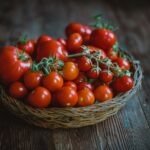
- Roasted whole: Roasting cherry tomatoes whole preserves the juices and seeds inside, creating a flavour ‘bomb’ when eaten.
- Pair with fats: To absorb the nutrients in the seeds and skin, eat tomatoes with a healthy fat like olive oil or avocado.
- Chew thoroughly: To break down the tough outer shell of the seed and access the fatty acids inside, chewing is essential.
For inspiration on how to include more whole tomatoes in your diet, BBC Good Food offers numerous recipes that utilise the entire fruit.
Nutritional Comparison Data
The following table illustrates the general contribution of the seed-bearing portion compared to the flesh. While exact numbers vary by tomato variety, the trend remains consistent.
| Component | Tomato Flesh (Per 100g) | Tomato Seeds & Gel (Per 100g) | Key Benefit |
|---|---|---|---|
| Fibre | Moderate | High | Digestion and satiety |
| Lycopene | High | Moderate to High | Antioxidant support |
| Fatty Acids | Negligible | Moderate (Linoleic acid) | Cell health |
| Umami Flavour | Moderate | Very High (Glutamates) | Taste enhancement |
| Vitamin C | High | Moderate | Immune function |
Frequently Asked Questions
Do tomato seeds cause appendicitis?
It is extremely rare. While there have been isolated case reports in medical history where a seed was found in an inflamed appendix, it is statistically insignificant. The vast majority of appendicitis cases are caused by lymphoid hyperplasia or faecaliths, not fruit seeds.
Can I digest tomato seeds?
The outer shell of the seed often passes through the digestive tract relatively intact due to its high insoluble fibre content. This is normal and healthy. It acts as a ‘sweeper’ for your intestines. The nutrients inside the seed are only accessed if the seed is broken open by chewing or blending.
Are the seeds bad for people with IBS?
This varies by individual. For some with Irritable Bowel Syndrome (IBS), the insoluble fibre and skin might trigger symptoms. Diabetes UK notes that while vegetables are essential, people should monitor their own tolerance levels. If seeds cause bloating, you may prefer to remove them.
Do seeds add flavour?
Yes. The gel surrounding the seeds contains a high concentration of glutamates, which provide the savory ‘umami’ taste. Removing the seeds often results in a less flavourful dish.
The Bottom Line
Eating tomato seeds is not only safe for the vast majority of people but also offers distinct nutritional advantages. They are a good source of fibre, contain heart-healthy fatty acids, and the gel surrounding them enhances the absorption of antioxidants.
The historical fear regarding diverticulitis has been scientifically disproven. Unless you have a specific medical instruction to limit oxalates or a severe sensitivity to fibre, there is no health-based reason to remove them.
In fact, by keeping the seeds, you reduce food waste, improve the flavour of your meals, and ensure you are getting the full spectrum of nutrients the tomato has to provide. For a balanced approach to nutrition, refer to resources like the British Nutrition Foundation to ensure you are meeting your daily fibre requirements.
Embrace the whole tomato—seeds and all—for a healthier, tastier diet.