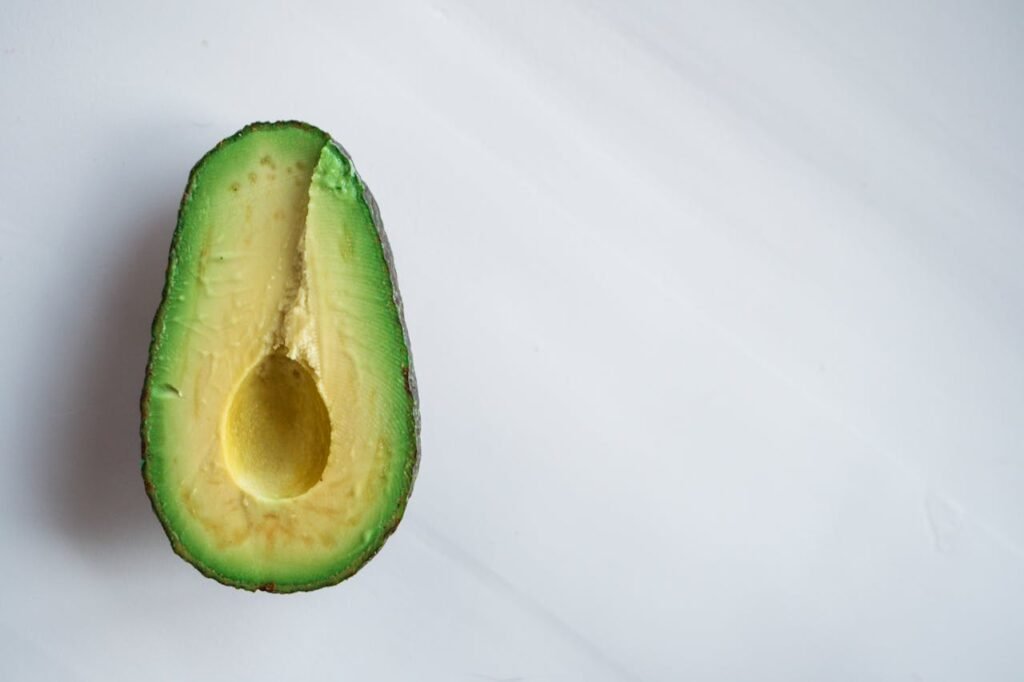
While the creamy green flesh of the avocado has cemented its status as a global superfood, the tree’s leaves have largely remained an unsung hero outside of traditional medicine circles. For centuries, indigenous cultures in Mexico and South America have brewed these leaves into a therapeutic tonic.
Today, modern research is beginning to catch up with ancient wisdom. The buzz surrounding avocado leaf tea benefits is growing, particularly concerning kidney health, blood pressure regulation, and antioxidant support. But does the science hold up?
This article explores the nutritional profile of avocado leaves, the conditions they may help manage, and how to safely incorporate this herbal remedy into your wellness routine.
Overview: More Than Just Guacamole
The avocado tree (Persea americana) offers more than just healthy fats. The leaves, particularly those from the Mexican variety (drymifolia), are rich in phytochemicals that differ significantly from the fruit.
Historically, the Aztecs used fresh avocado leaves to flavour stews and as a potent diuretic. In modern naturopathy, the leaves are dried and steeped to create an amber-coloured infusion with a nutty, anise-like flavour profile.
Nutritional analysis reveals that these leaves are a powerhouse of bioactive compounds. They contain high concentrations of quercetin, a flavonoid known for its anti-inflammatory properties. Furthermore, they are rich in polyphenols, terpenes, and serotonin.
These compounds work synergistically to protect the body against oxidative stress. As interest in functional teas rises, understanding the specific mechanisms behind avocado leaf tea benefits becomes crucial for anyone seeking natural health adjuncts.
Conditions Managed by Avocado Leaves
While avocado leaf tea is not a cure-all, it has shown remarkable promise in managing specific physiological conditions. To understand why people turn to this tea, we must look at the symptoms and causes of the ailments it addresses.
Kidney Stones and Urinary Tract Health
One of the most cited uses for this tea is kidney support. Kidney stones form when minerals like calcium and oxalate crystallise in the urinary tract, causing excruciating pain.
Symptoms:
- Severe pain in the side and back
- Persistent need to urinate
- Discoloured or cloudy urine
The Avocado Leaf Connection:
Research suggests that the diuretic properties of avocado leaves can increase urine volume, helping to flush out waste products before they crystallise. The leaves contain saponins, which may help break down calcium deposits.
According to studies on herbal diuretics, increasing fluid output is the primary non-invasive strategy for preventing stone formation. By acting as a natural diuretic, the tea supports the kidneys’ filtration process.
Hypertension (High Blood Pressure)
High blood pressure is often called the “silent killer” because it rarely shows symptoms until significant damage is done to the heart and arteries.
Causes:
- High sodium intake
- Chronic stress
- Arterial stiffness
The Avocado Leaf Connection:
Traditional medicine has long utilized avocado leaves to lower blood pressure. Modern science attributes this to the presence of vasorelaxant compounds. These substances help the walls of the blood vessels to relax, reducing resistance to blood flow.
Additionally, the antioxidant content helps combat oxidative stress in the vascular system, promoting better endothelial health. Maintaining healthy blood pressure is vital for long-term cardiovascular longevity.
Inflammation and Oxidative Stress
Chronic inflammation is the root cause of many modern diseases, including arthritis, type 2 diabetes, and metabolic syndrome.
Symptoms:
- Joint pain and stiffness
- Chronic fatigue
- Digestive issues
The Avocado Leaf Connection:
The flavonoids in avocado leaves, particularly quercetin and luteolin, are potent anti-inflammatories. They work by inhibiting specific enzymes (like COX-2) that trigger the inflammatory response in the body.
Regular consumption of high-antioxidant foods and beverages helps neutralise free radicals, unstable molecules that damage cells and accelerate ageing.
Blood Glucose Management
For those managing pre-diabetes or type 2 diabetes, stabilising blood sugar levels is a daily battle.
Causes:
- Insulin resistance
- Poor diet
- Sedentary lifestyle
The Avocado Leaf Connection:
Animal studies have indicated that avocado leaf extract may have a hypoglycaemic effect. While human trials are still needed, the preliminary data suggests that the tea may help improve glucose metabolism and insulin sensitivity.
Preparation and Management: How to Use the Tea
To reap the potential avocado leaf tea benefits, proper preparation is essential. It is not as simple as plucking a leaf from any tree; the variety and preparation method matter for both safety and efficacy.
Selecting the Right Leaves
Not all avocado leaves are created equal. The Mexican avocado variety (Persea americana drymifolia) is the preferred type for consumption. These leaves are usually smaller and have a distinct anise scent when crushed.
Caution: The Guatemalan variety can contain higher levels of persin, a fungicidal toxin. While persin is primarily toxic to animals (birds, horses, and goats), high consumption may cause gastrointestinal upset in some humans. Always source food-grade, dried leaves from reputable herbal suppliers.
Brewing Protocol
Treating the leaves correctly ensures you extract the medicinal compounds without degrading them.
The Method:
- Dosage: Use 3 to 4 dried leaves per 500ml of water.
- Boiling: Bring water to a rolling boil, then add the leaves.
- Simmering: Reduce the heat and let the leaves simmer for 5 minutes. This is different from delicate green teas; the fibrous avocado leaves need heat to release their phytonutrients.
- Steeping: Remove from heat and let it steep for another 10 minutes.
- Serving: Strain the liquid. It should be a reddish-brown colour.
Consumption Guidelines
- Frequency: Start with one cup per day to monitor how your body reacts. Most therapeutic protocols suggest 2-3 cups daily for a limited period (e.g., two weeks) followed by a break.
- Timing: Due to its diuretic effect, avoid drinking it right before bed to prevent sleep disruption.
- Storage: Keep dried leaves in an airtight container in a cool, dark place to preserve their essential oils.
Tips for Maximising Benefits
Incorporating a new herbal remedy into your lifestyle can be tricky. Here are some tips to enhance the experience and effectiveness of avocado leaf tea.
1. Pair with Vitamin C
To boost the absorption of the antioxidants found in the tea, add a squeeze of fresh lemon or lime juice. Vitamin C can help stabilise certain phytonutrients and improve their bioavailability.
2. Monitor Hydration
Because the tea acts as a diuretic, you will lose fluids. Ensure you are drinking plenty of plain water throughout the day to prevent dehydration. This is especially important if you are drinking the tea for kidney stone support.
3. Combine with a Balanced Diet
No tea can offset a poor diet. To see real improvements in blood pressure or blood sugar, combine the tea with a diet rich in whole foods, lean proteins, and fibre. Healthline notes that a balanced diet is key to maximising the benefits of any superfood.
4. Listen to Your Body
If you experience nausea or digestive discomfort, stop consumption immediately. While rare with the correct variety of leaves, individual sensitivities can occur.
5. Consult Your GP
This is non-negotiable. If you are on medication for blood pressure (antihypertensives) or blood sugar (antidiabetics), the tea could potentiate the effects, causing your levels to drop too low. Always discuss herbal supplements with your healthcare provider.
The Bottom Line
The exploration of avocado leaf tea benefits bridges the gap between Aztec tradition and modern nutritional science. The leaves offer a compelling profile of antioxidants, anti-inflammatories, and diuretics that may support kidney health and cardiovascular function.
However, it is vital to approach this remedy with a scientific mindset. While promising, the leaves are a tool for management, not a magic cure. Sourcing the correct Mexican variety is crucial for safety, and moderation is key.
If you are looking for a caffeine-free alternative that brings more to the table than just hydration, avocado leaf tea is certainly worth a try. As research continues to evolve, we may find that the leaves are just as valuable as the fruit we have come to love.