


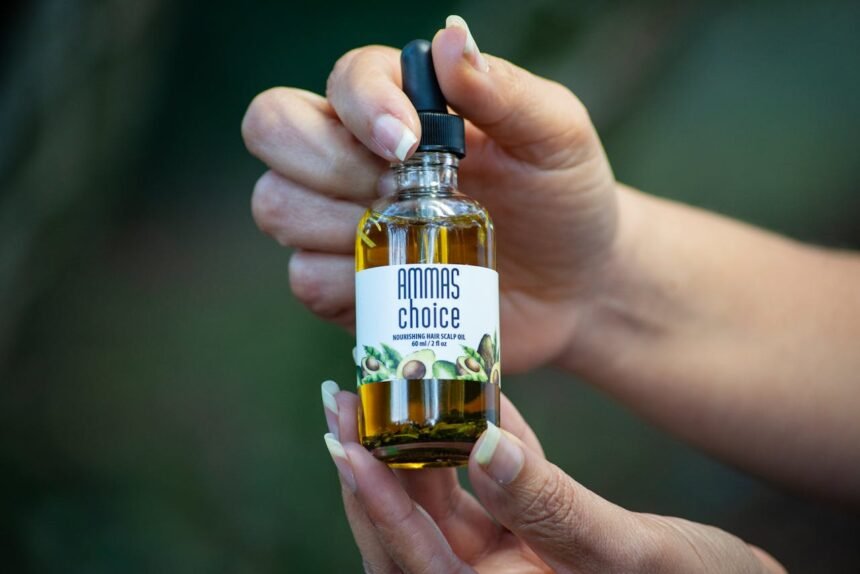
In the realm of natural skincare, the debate surrounding plant-based oils is ongoing. For years, coconut oil reigned supreme as the go-to kitchen staple that doubled as a beauty elixir. However, as skincare science evolves, avocado oil has emerged as a formidable competitor, praised for its nutrient density and absorption capabilities.
When choosing a natural moisturiser, understanding the nuances between avocado oil vs coconut oil for skin is essential. Both offer distinct benefits, but they interact with the skin barrier in fundamentally different ways.
While one acts as a heavy-duty shield, the other serves as a deeply penetrating nutrient delivery system. Your choice depends largely on your skin type, your specific hydration needs, and your susceptibility to acne.
This article provides an exhaustive comparison to help you determine which oil deserves a permanent spot on your bathroom shelf.
Overview: The Nutritional Profiles
Before diving into the mechanics of hydration, it is vital to understand what makes these oils unique at a molecular level. Their efficacy is dictated by their fatty acid profiles and vitamin content.
Avocado Oil
Avocado oil is extracted from the pulp of the fruit, not the seed. It is rich in oleic acid, a monounsaturated fatty acid that constitutes approximately 70% of its composition.
This high oleic acid content is significant because it enhances permeability. Avocado oil is also abundant in Vitamin E, potassium, lecithin, and many other nutrients that can nourish and moisturise the skin.
Crucially, it contains sterolins, which are natural steroids that may be effective in boosting collagen production and treating age spots.
Coconut Oil
Coconut oil is derived from the meat of mature coconuts. Its primary component is lauric acid, a medium-chain fatty acid that accounts for about 50% of its makeup.
Lauric acid gives coconut oil its signature antimicrobial and antifungal properties. Unlike avocado oil, coconut oil is solid at room temperature due to its high saturated fat content.
While it is an excellent occlusive—meaning it sits on top of the skin to trap moisture—it does not penetrate the dermis as easily as oils with higher linoleic or oleic acid content.
Understanding Skin Needs: Symptoms and Causes of Dryness
To decide between avocado oil vs coconut oil for skin, one must first understand the problem being treated: skin dehydration and dryness.
Transepidermal Water Loss (TEWL)
Dry skin often results from a compromised lipid barrier. When this barrier is damaged, water escapes from the skin into the atmosphere, a process known as transepidermal water loss (TEWL).
Both oils address TEWL, but they use different mechanisms.
The Acne Factor
A major symptom to consider is acne. If your skin is prone to breakouts, the comedogenic rating of an oil is paramount. This rating measures how likely an ingredient is to clog pores on a scale of 0 to 5.
Coconut oil has a comedogenic rating of 4, meaning it is highly likely to clog pores. This makes it risky for facial application on acne-prone skin.
Avocado oil, conversely, has a rating of 3. While not completely non-comedogenic, it is generally safer for those with combination skin, though patch testing is always recommended.
Treatment and Management: Comparing the Mechanisms
Here, we analyse how each oil functions as a treatment for dry, dehydrated, or compromised skin.
Avocado Oil: The Deep Penetrator
For intense hydration, avocado oil is often the superior choice. Because it is rich in oleic acid, it penetrates the epidermis more deeply than most other plant oils.
This makes it an excellent carrier oil for other actives. It effectively transports nutrients past the surface layer, addressing dryness at a deeper level.
Best for:
- Mature skin losing elasticity.
- Chronic eczema or psoriasis.
- extremely dry, flaky skin.
- Sun-damaged skin needing Vitamin E.
Coconut Oil: The Protective Shield
Coconut oil functions primarily as an occlusive. It creates a seal over the skin, locking in existing moisture. However, it does not add hydration (water) itself; it merely prevents water loss.
Its high lauric acid content also makes it a potent antibacterial agent. This can be beneficial for fungal skin issues, provided acne is not a concern.
Best for:
- Body moisturising (legs, elbows, heels).
- Treating fungal infections or yeast on the skin.
- Makeup removal (due to its ability to break down waxy substances).
- Lip balm alternatives.
The Verdict on Hydration
When weighing avocado oil vs coconut oil for skin hydration specifically:
- Avocado Oil is an emollient; it softens and soothes the skin by filling in gaps between skin cells.
- Coconut Oil is an occlusive; it sits on top to stop evaporation.
For true hydration, avocado oil is generally preferred for facial use, while coconut oil is excellent for sealing moisture into the tougher skin of the body.
Scientific Analysis: The Barrier Function
Research supports the use of both oils, but for different outcomes.
A study published regarding plant oils notes that avocado oil significantly increases soluble collagen content in the skin. This suggests anti-aging properties alongside hydration.
Conversely, research on coconut oil highlights its ability to reduce staph bacteria on the skin, making it useful for those with atopic dermatitis, provided they do not react to the heavy saturated fats.
Tips for Application
To get the most out of these natural remedies, correct application is vital. Improper use can lead to congestion or lackluster results.
How to Use Avocado Oil
- Damp Skin is Key: Apply avocado oil immediately after washing your face, while the skin is still damp. This helps trap the water inside.
- Night Treatment: Due to its rich texture, it works best as a night serum. Warm a few drops between your palms and press—don’t rub—into the skin.
- Mix It Up: Add a drop of avocado oil to your regular daily moisturiser to boost its emollient properties without the greasiness.
How to Use Coconut Oil
- Body over Face: Restrict coconut oil usage to the body, specifically dry patches like knees and elbows, to avoid facial breakouts.
- The Double Cleanse: If using it on the face, use it as a first cleanse to dissolve makeup. Follow up immediately with a water-based cleanser to remove all oil residue.
- Shower Sealant: Apply coconut oil whilst in the shower (carefully, as the floor may get slippery) and rinse lightly. Pat dry to leave a protective layer on the skin.
Safety and Patch Testing
Regardless of the choice between avocado oil vs coconut oil for skin, you must perform a patch test.
Apply a small amount of the oil to the inside of your wrist or behind your ear. Wait 24 to 48 hours. If no redness, itching, or irritation occurs, it is likely safe to use.

Purchasing Guide: What to Look For
Not all oils are created equal. The processing method significantly impacts the nutrient profile.
For Avocado Oil:
- Look for “cold-pressed” and “unrefined.”
- The oil should be a deep green colour. If it is yellow or clear, it has been refined and stripped of its beneficial chlorophyll and carotenoids.
For Coconut Oil:
- Choose “virgin” or “extra virgin” coconut oil.
- Avoid “fractionated” coconut oil if you want the benefits of lauric acid, although fractionated oil stays liquid and is less comedogenic.
The Bottom Line
The choice between avocado oil vs coconut oil for skin ultimately comes down to your skin type and your goals.
If you have dry, mature, or sensitive facial skin and need deep nourishment, avocado oil is the winner. Its high oleic acid and Vitamin E content allow it to penetrate deeply, improving elasticity and soothing inflammation without the high risk of clogging pores.
If you need a heavy-duty body moisturiser or an antibacterial shield for issues like dermatitis on the body, coconut oil is a powerful option. However, its high comedogenic rating makes it a gamble for facial use, particularly for those prone to acne.
For the best hydration strategy, you might find space for both in your routine: avocado oil for your face and neck, and coconut oil for the rest of your body.
Always listen to your skin. Natural ingredients are potent, and what works for one person may not work for another. If you have chronic skin conditions, consult a dermatologist before replacing clinical treatments with natural oils.


