Avocados have transcended their status as a mere salad ingredient to become a global dietary staple. Whether smashed onto sourdough toast, blended into smoothies, or sliced atop a quinoa bowl, this fruit (botanically a single-seeded berry) is prized for its nutrient density and creamy texture. However, navigating the produce aisle can be confusing. While the Hass variety dominates the market, it is far from the only option available.
Understanding the nuances between varieties—ranging from oil content and skin texture to seasonality—can significantly enhance your culinary experience. Whether you are looking for a lower-calorie option or a butter-bomb for guacamole, knowing your fruit is essential. This article provides a comprehensive avocado variety comparison chart and a deep dive into the botanical and nutritional differences of these cultivars.
Overview
The avocado (Persea americana) is native to south-central Mexico but is now cultivated in tropical and Mediterranean climates worldwide. While there are hundreds of varieties, they generally fall into three horticultural races: Mexican, Guatemalan, and West Indian. The differences between these races dictate the fruit’s size, skin texture, and cold tolerance.
Most consumers are familiar with the Hass, which accounts for a massive percentage of global consumption. However, depending on the season and your location, you may encounter varieties like the Fuerte, Reed, or Zutano. Each brings a unique profile to the table. Some have a lighter, watery consistency perfect for slicing, while others offer a dense, rich flesh ideal for mashing.
From a botanical perspective, avocados are also categorised by their flowering behaviour (Type A and Type B), a fascinating evolutionary trait that encourages cross-pollination. For the consumer, however, the primary concerns are taste, texture, and ripeness. Below, we explore the distinct characteristics of the most common cultivars.
The Varieties Explained: A Detailed Breakdown
To make an informed choice, one must look beyond the colour of the skin. The following breakdown serves as an expanded avocado variety comparison chart, detailing the specific attributes of the major players in the avocado world.
1. Hass
The Gold Standard
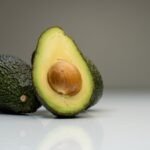
- Appearance: Oval-shaped with a thick, pebbly skin that turns from green to purplish-black when ripe.
- Texture & Flavour: Extremely creamy with a high oil content (often exceeding 20%). It boasts a rich, nutty flavour.
- Peelability: Excellent. The thick skin separates easily from the flesh.
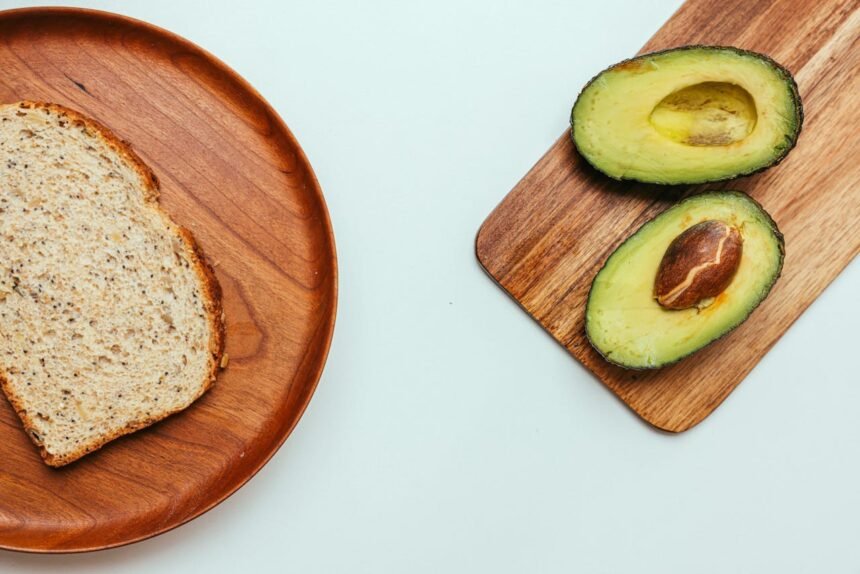
- Best For: Guacamole, toast, and general use.
The Hass is the quintessential avocado. Its thick skin makes it durable for shipping, which explains its global ubiquity. It is a Guatemalan-Mexican hybrid.
2. Fuerte
The Original Favourite
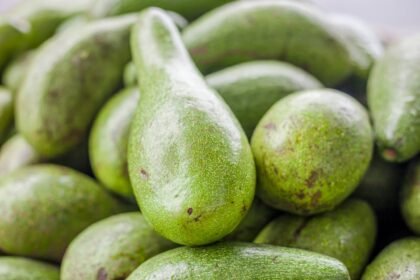
- Appearance: Pear-shaped with smooth, thin, green skin. Notably, the skin remains green even when ripe.
- Texture & Flavour: Creamy but slightly lighter than the Hass. It has hazelnut notes and a medium oil content.
- Peelability: Moderate. The skin is thinner and can tear if handled roughly.
- Best For: Slicing for salads and sandwiches.
Before the Hass takeover in the 1970s, the Fuerte was the industry leader. It is a Type B flower variety and is often harvested in the winter months.
3. Reed
The Gentle Giant
- Appearance: Large and distinctively round, resembling a cannonball. The skin is thick, slightly pebbly, and stays green.
- Texture & Flavour: Buttery and delicate. It resists turning brown (oxidising) after cutting better than most varieties.
- Peelability: Good, though the large seed can be tricky to remove.
- Best For: Salads or eating straight from the shell with a spoon.
4. Zutano
The Light Option
- Appearance: Pear-shaped with shiny, yellow-green skin.
- Texture & Flavour: Much lower oil content leads to a watery, fibrous texture. The flavour is mild and light.
- Peelability: Poor. The skin is thin and difficult to peel cleanly.
- Best For: Slicing (holds its shape well) or for those monitoring fat intake.
5. Pinkerton
The Long Neck
- Appearance: Very elongated pear shape with green, pebbly skin similar to a Hass but green when ripe.
- Texture & Flavour: High oil content yielding a rich, creamy flesh.
- Peelability: Very easy. The small seed means you get more flesh per fruit.
- Best For: Value for money (high flesh-to-seed ratio).
6. Bacon
The Cold Warrior
- Appearance: Oval with smooth, dark green skin.
- Texture & Flavour: Lighter oil content with a subtle, sweet flavour. The texture can be slightly fibrous.
- Peelability: Moderate.
- Best For: Light guacamoles or chopped salads.
Summary Comparison Table
| Variety | Skin Texture | Ripe Colour | Oil Content | Flavour Profile |
|---|---|---|---|---|
| Hass | Pebbly/Thick | Purple-Black | High | Nutty, Rich |
| Fuerte | Smooth/Thin | Green | Medium | Hazelnut, Creamy |
| Reed | Slightly Pebbly | Green | High | Buttery, Mild |
| Zutano | Shiny/Thin | Yellow-Green | Low | Light, Watery |
| Pinkerton | Pebbly | Green | High | Rich, Creamy |
| Bacon | Smooth | Dark Green | Medium-Low | Sweet, Light |
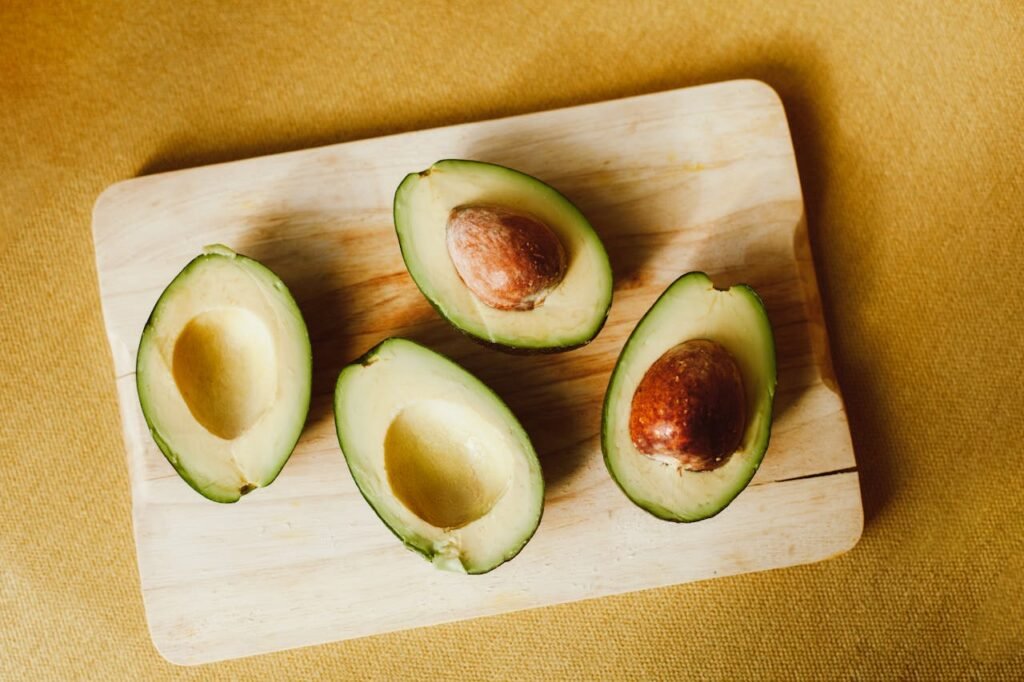
Management and Handling: Ripening and Storage
Regardless of the variety chosen from the avocado variety comparison chart, proper management of the fruit is critical to enjoying it at its peak. Avocados are climacteric fruit, meaning they mature on the tree but only ripen after they are harvested.
Determining Ripeness
Using touch is the most reliable method for checking ripeness, though the technique varies slightly by variety:
- For Hass: Look for the colour change to dark purple-black. Squeeze gently in the palm of your hand (avoid using fingertips, which can bruise the flesh). It should yield to gentle pressure.
- For Green Varieties (Fuerte, Reed, Bacon): Ignore the colour. Reliance on colour is a common error with these varieties. Judge solely by the gentle pressure test. If it feels like a rock, it needs more time.
Accelerating the Process
If you have purchased hard avocados and need them quickly, you can speed up the ripening process. Place the avocados in a brown paper bag with an apple or a banana. These fruits emit ethylene gas, a natural plant hormone that triggers the ripening process. Kept at room temperature, this can reduce ripening time from several days to just one or two.
Storage Solutions
- Unripe: Store at room temperature (18–22°C). Do not refrigerate hard avocados, as cold temperatures can halt the ripening process and cause “chilling injury,” leading to a rubbery texture and dark spots.
- Ripe: Once the fruit yields to pressure, move it to the fridge. This pauses the ripening and can keep the fruit in a perfect eating state for 2–3 days.
- Cut Avocado: Oxidation turns the flesh brown. To manage this, leave the seed in the unused half, brush the exposed flesh with lemon or lime juice (citric acid slows oxidation), and wrap it tightly in cling film.
Nutrition and Health Benefits
While the oil content varies between the Hass and the Zutano, the core nutritional profile of the avocado remains impressive across the board. They are one of the few fruits that contain significant quantities of healthy monounsaturated fatty acids (MUFA).
Key Nutrients:
- Oleic Acid: The primary fatty acid in avocados is oleic acid, a heart-healthy monounsaturated fat also found in olive oil. This fat has been linked to reduced inflammation and beneficial effects on genes linked to cancer.
- Fibre: Avocados are exceptionally high in fibre, containing both soluble and insoluble types. A standard 100g serving contributes significantly to daily fibre requirements, promoting gut health and metabolic stability.
- Potassium: Surprisingly, avocados contain more potassium than bananas. Adequate potassium intake is linked to reduced blood pressure levels, a major risk factor for heart attacks, strokes, and kidney failure.
Research indicates that the lipid profile of avocados enhances the absorption of fat-soluble vitamins (A, D, E, and K) and antioxidants like carotenoids from other foods. Therefore, adding Fuerte slices to a salad isn’t just a flavour choice; it is a strategic nutritional decision.
Tips for Culinary Application
Selecting the right avocado from the avocado variety comparison chart can dictate the success of your dish.
- Guacamole: Always opt for Hass or Pinkerton. Their low water content and high creaminess allow for a thick, rich dip that clings to chips. A watery Zutano results in a soupy guacamole.
- Salads and Carpaccio: Use Fuerte or Bacon. Their ability to hold their shape when sliced makes them visually appealing, and their lighter flavour won’t overpower delicate salad dressings.
- Hot Dishes: If you are grilling avocado or adding it to a warm sauce, Reed is an excellent choice due to its density and resistance to breaking down immediately under heat.
- Smoothies: A Zutano or Bacon works well here if you want the creaminess without an overly heavy caloric load or overpowering nutty taste.
The Bottom Line
While the Hass avocado dominates the supermarket shelves for good reason—its durability, shelf-life, and reliable flavour are unmatched—venturing beyond it can be a rewarding culinary experiment. Whether you encounter the smooth-skinned Fuerte in the winter or the cannonball-like Reed in the summer, understanding their unique properties ensures you get the best out of this nutrient-dense fruit.
Using an avocado variety comparison chart helps you match the specific oil content and texture of the fruit to your dietary needs and cooking plans. From heart-healthy fats to fibre-rich flesh, avocados in all their forms are a valuable addition to a balanced diet. Next time you are at the grocer, look for the subtle differences in skin and shape; you might just find a new favourite.