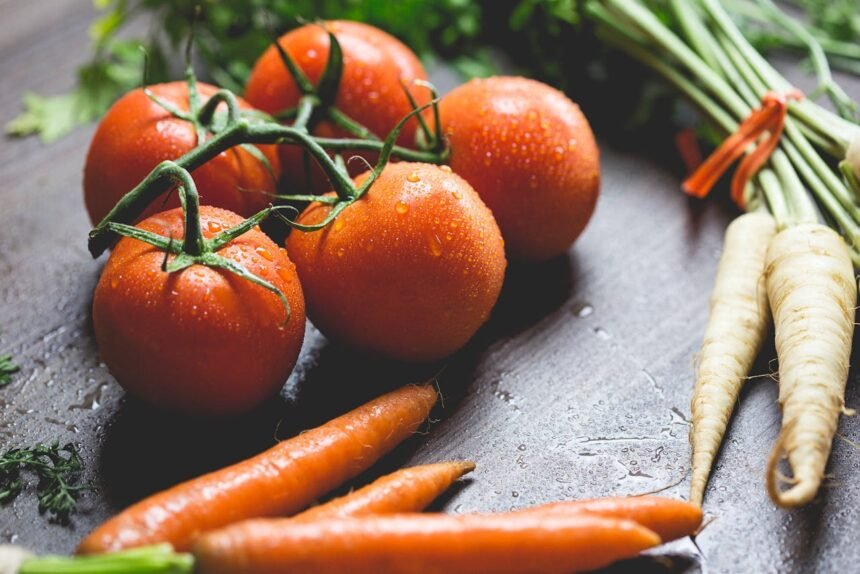
If you have ever wandered through the produce aisle looking for a convenient, healthy snack, you have likely tossed a bag of baby carrots into your trolley. They are sweet, crunchy, and perfectly sized for dipping into hummus or eating on the go.
However, a common question persists among health-conscious consumers: are these convenient snacks as nutritious as their full-sized counterparts? Furthermore, rumours regarding their processing—specifically involving chlorine baths—have led some to question their safety.
While regular carrots are often sold with dirt still clinging to their roots and greens attached, baby carrots arrive clean, peeled, and uniform. This difference in appearance often leads to the misconception that they are genetically modified or chemically constructed.
The reality is far less sinister and deeply rooted in a clever solution to food waste. Understanding the differences between these two carrot forms can help you make informed decisions about your diet.
This article explains the nutritional differences between baby carrots and regular carrots, explores how they are made, and addresses common safety concerns.
What Exactly Are Baby Carrots?
To understand the nutritional nuances, we must first clarify what this vegetable actually is. The term “baby carrot” can technically refer to two different things.
True Baby Carrots
These are simply carrots that are harvested before they reach maturity. They look like miniature versions of regular carrots, often retaining their skin and shoulders. Because they are pulled from the ground early, they tend to be quite tender and sweet, but they are relatively rare in standard supermarkets compared to the processed variety.
Baby-Cut Carrots
The “baby carrots” found in most grocery stores are actually baby-cut carrots. These began as fully grown, regular carrots.
In the 1980s, a farmer named Mike Yurosek grew tired of discarding carrots that were too twisted, knobbly, or ugly to sell. He used an industrial bean cutter to chop these imperfections into small, uniform lengths, and then peeled them.
Today, manufacturers use specific varieties of carrots, such as the Imperator, which are bred to be longer, sweeter, and thinner than standard table carrots. These are harvested, cut into roughly 5-centimetre pieces, peeled, and polished into the rounded, orange cylinders we recognise.
Summary
Most store-bought baby carrots are actually fully grown carrots that have been cut and peeled to a uniform size. “True” baby carrots are simply immature carrots harvested early.
Nutritional Comparison: Baby vs. Regular
Nutritionally, baby-cut carrots and regular carrots are extremely similar. They are, after all, the same vegetable. However, the processing method used to create the baby variety does result in minor differences.
Because baby carrots are peeled, they lose the outer layer where some phytonutrients are concentrated. Conversely, the specific varieties bred for the baby-cut market are often naturally higher in sugar and beta-carotene to begin with.
Here is a breakdown of the nutritional content for a standard 100-gram serving:
| Nutrient | Baby Carrots | Regular Carrots (Raw) |
|---|---|---|
| Calories | 35 kcal | 41 kcal |
| Carbohydrates | 8.2 g | 9.6 g |
| Fibre | 2.9 g | 2.8 g |
| Sugar | 4.7 g | 4.7 g |
| Protein | 0.6 g | 0.9 g |
| Vitamin A | 120% DV | 180% DV |
| Vitamin C | 4% DV | 10% DV |
| Potassium | 235 mg | 320 mg |
Vitamin A and Beta-Carotene
Both varieties are stellar sources of beta-carotene, an antioxidant that your body converts into Vitamin A. This nutrient is essential for maintaining healthy vision, immune function, and skin integrity.
Regular carrots tend to have slightly higher levels of Vitamin A because the nutrient is highly concentrated near the skin, which is removed during the peeling process for baby carrots. However, eating just a handful of either type will easily meet your daily requirement.
For more on the benefits of this root vegetable, you can read Healthline’s detailed guide on carrots.
Fibre Content
Fibre is crucial for digestive health and blood sugar regulation. Despite the peeling, baby carrots retain a significant amount of fibre. The core of the carrot is dense with pectin and cellulose, meaning the difference in fibre content between the two is negligible for the average consumer.
According to the Mayo Clinic, a diet high in fibre helps maintain bowel health and lowers cholesterol levels.
Vitamin C and Other Nutrients
During the processing and washing phase, baby carrots may lose small amounts of water-soluble vitamins like Vitamin C. However, carrots are not typically relied upon as a primary source of Vitamin C compared to citrus fruits or peppers, so this loss is rarely clinically significant.
For accurate, granular data on nutrient profiles, the USDA FoodData Central remains the gold standard for verification.
The “Chlorine Bath” Controversy
Perhaps the most persistent myth surrounding baby carrots is that they are soaked in toxic amounts of chlorine, making them unsafe to eat. This claim often circulates on social media, causing unnecessary alarm.
The Reality of Processing
It is true that baby carrots are washed in water containing a small amount of chlorine (specifically calcium hypochlorite) before being rinsed and packaged. However, this is a standard food safety practice mandated in many regions to kill potential pathogens like E. coli and Salmonella.
The concentration of chlorine used is very low—often lower than what is found in standard tap water. After the wash, the carrots are thoroughly rinsed with potable water to remove any residue.
The FDA and other food safety authorities regulate these washing solutions strictly to ensure they pose no risk to human health. The goal is to prevent foodborne illness, which presents a far more immediate danger than the washing solution itself.
The “White Blush” Explained
Consumers often notice a white, chalky film developing on baby carrots after they have been in the fridge for a few days. Myth-spreaders claim this is chlorine residue seeping out of the vegetable.
This is scientifically incorrect. The white film, known in the industry as “carrot blush,” is simply a result of dehydration. Because the protective outer skin has been peeled away, the carrot dries out faster. When the surface cells lose moisture, they turn white.
You can reverse this visual effect easily by soaking the carrots in ice water for a few minutes or tossing them in a bit of oil before cooking.
Summary
Baby carrots are washed in a weak chlorine solution to kill bacteria, then rinsed. This is safe and common. The white film is dehydration, not chemical residue.
Factors Affecting Taste and Texture
While they are the same species (Daucus carota), regular and baby carrots offer different sensory experiences.
Sweetness
The specific breeds used for baby carrots (like the Nantes or Imperator varieties) are selected for their high sugar content and crisp texture. Their cylindrical core is often sweeter than the outer layers of a standard carrot.
Water Content
Baby carrots are stored in packaging with a small amount of water to prevent them from drying out (due to the lack of skin). This can make them feel juicier and snappier than a loose carrot found in the bottom of a vegetable drawer.
Cooking Properties
Because they have a higher water content, baby carrots effectively “steam” from the inside when roasted, sometimes resulting in a softer texture compared to the caramelised chewiness of a roasted regular carrot.
For more on how vegetable intake impacts longevity, research from Harvard T.H. Chan School of Public Health highlights the importance of variety and consistency.
Practical Tips for Buying and Storing
Whether you choose convenience or tradition, handling your carrots correctly ensures maximum nutrition and flavour.
1. Check the Bag
When buying baby carrots, look for bags that do not have excess liquid pooling at the bottom, which can promote slime and spoilage. Avoid bags where the carrots look rubbery.
2. Rehydration
If your baby carrots develop the white blush, place them in a bowl of cold water in the fridge. They will crisp up and return to their bright orange colour.
3. Cooking Adjustments
If a recipe calls for chopped regular carrots, you can substitute baby carrots. However, be aware that baby carrots release more moisture. You may need to roast them at a slightly higher temperature or for longer to achieve browning.
4. Skin On vs. Skin Off
If you buy regular carrots, consider scrubbing them rather than peeling them. The NHS notes that many nutrients are just below the surface. Baby carrots do not offer this option, as the skin is already removed.
Environmental and Cost Considerations
Cost: Baby carrots are more expensive per kilogram than whole carrots due to the processing, packaging, and marketing involved. If you are on a strict budget, washing and chopping whole carrots yourself is the economical choice.
Waste: Originally, baby carrots were invented to reduce waste by utilising imperfect vegetables. However, the modern industry now grows carrots specifically to be cut down, which produces “shavings” (carrot mash). This byproduct is usually used as animal feed or compost, so it is not wasted, but the process is energy-intensive.
Plastic: Baby carrots almost exclusively come in single-use plastic bags, whereas loose carrots can often be bought plastic-free. If reducing plastic usage is a priority, loose regular carrots are the superior option.
The Bottom Line
Both baby carrots and regular carrots are highly nutritious vegetables that offer significant health benefits. They are rich in beta-carotene, fibre, potassium, and antioxidants.
Here is what you need to remember:
- Nutrition: Regular carrots have a slight edge in Vitamin A because they retain their skin, but baby carrots are still a nutrient-dense powerhouse.
- Safety: The chlorine wash used on baby carrots is a safe, standard food safety practice. The white coating is simply dehydration.
- Convenience: The best vegetable is the one you actually eat. If the convenience of pre-washed, pre-cut baby carrots encourages you to eat more vegetables and fewer processed snacks, they are worth the extra cost.
Ultimately, whether you enjoy the snap of a baby carrot or the earthiness of a whole one, you are doing your body a favour. Including a variety of colourful vegetables in your diet is one of the best steps you can take for your long-term health.
For further reading on the benefits of beta-carotene, WebMD provides an excellent overview. Additionally, scientific perspectives on food safety processes can be found in publications like Scientific American.
Disclaimer: This article is for informational purposes only and does not constitute medical advice. Always consult with a healthcare professional regarding dietary changes.