There is an undeniable euphoria that comes with cycling. The wind in your face, the rhythmic hum of the drivetrain, and the endorphin rush of conquering a steep climb are feelings that hook us instantly. However, even the most passionate cyclists eventually face a formidable adversary that has nothing to do with gravity or aerodynamics: mental and physical burnout.
Maintaining consistent cycling motivation is often harder than the riding itself. Whether you are training for a competitive gran fondo or simply riding for cardiovascular health, the monotony of training, seasonal changes, and physical fatigue can erode your drive. This article explores the science of motivation and offers actionable strategies to keep your wheels turning year-round.
The Physiology and Psychology of Burnout
Before fixing the problem, we must understand the mechanism. Burnout is not just “laziness”; it is a physiological response to stress. In sports science, this is often referred to as Overtraining Syndrome (OTS). According to research published by the National Center for Biotechnology Information (NCBI), OTS results from an imbalance between training and recovery, leading to performance decrements and mood disturbances.
Psychologically, motivation waxes and wanes based on the reward systems in our brains. When the initial novelty of cycling wears off, extrinsic motivators (like losing weight or buying new gear) often lose their power. To achieve consistent cycling motivation, one must cultivate intrinsic motivation—the sheer joy of the activity itself.
Strategy 1: The Art of Smart Goal Setting
Vague ambitions like “I want to get faster” are recipes for failure because they lack measurable milestones. To combat stagnation, apply the SMART criteria (Specific, Measurable, Achievable, Relevant, Time-bound) to your cycling regimen.
- Specific: Instead of “ride more,” try “ride three times a week.”
- Measurable: Use metrics like Functional Threshold Power (FTP) or distance.
- Achievable: Ensure your training volume fits your lifestyle.
- Relevant: Does this goal matter to you?
- Time-bound: Set a deadline, such as a charity ride in three months.
Structuring your riding around these pillars provides a roadmap. As noted by Mayo Clinic, setting realistic goals is essential for stress management and long-term behavioral change.
Strategy 2: Prioritize Recovery and Nutrition
Nothing kills motivation faster than a body that refuses to cooperate. Chronic fatigue is a primary driver of burnout. Many cyclists make the mistake of thinking that improvement only happens during the ride. In reality, physiological adaptations occur during rest.
The Importance of Sleep
Adequate sleep is non-negotiable for athletes. The Sleep Foundation highlights that deep sleep is when the body releases growth hormones essential for muscle repair. If you are skimping on sleep, your perception of effort increases, making standard rides feel like impossible chores.
Nutrition as Fuel
Running on empty leads to “bonking”—a depletion of glycogen stores that results in sudden fatigue. Ensuring you are fueling with complex carbohydrates and hydrating properly can maintain your energy levels, keeping the mental fog of burnout at bay. Refer to the Academy of Nutrition and Dietetics for specific guidelines on endurance fueling.
Strategy 3: Variety is the Spice of Cycling
Doing the same 20-mile loop at the same pace three times a week is a direct path to boredom. To maintain consistent cycling motivation, you must introduce variety into your training ecosystem.
Cross-Training
Incorporating other forms of movement can prevent overuse injuries and keep your mind fresh. Yoga, strength training, or swimming can improve your core stability and flexibility, which translates to better power transfer on the bike. The American Council on Exercise suggests that cross-training reduces the risk of injury and enhances overall athletic performance.
Discipline Switching
If you are a roadie, try gravel biking. If you are a mountain biker, try track cycling. Changing the terrain forces you to learn new handling skills, shifting the focus from “grinding miles” to “learning technique.”
Data Comparison: Recovery Modalities
Understanding how different activities impact your recovery is crucial for longevity. The table below outlines how to balance your week.
| Recovery Type | Activity Examples | Intensity (Zone) | Benefit | Recommended Frequency |
|---|---|---|---|---|
| Passive Recovery | Complete rest, sleep, massage | Zone 0 (None) | Hormonal balance, tissue repair | 1-2 days/week |
| Active Recovery | Walking, light spinning, yoga | Zone 1 (<55% FTP) | Blood flow, lactate clearance | 1-2 days/week |
| Cross-Training | Swimming, weight lifting | Zone 2-3 | Muscular balance, mental break | 1-2 days/week |
| High Intensity | Interval training, hill climbs | Zone 4-5 | VO2 Max increase, speed | 2-3 days/week |
Strategy 4: Leveraging Community and Technology
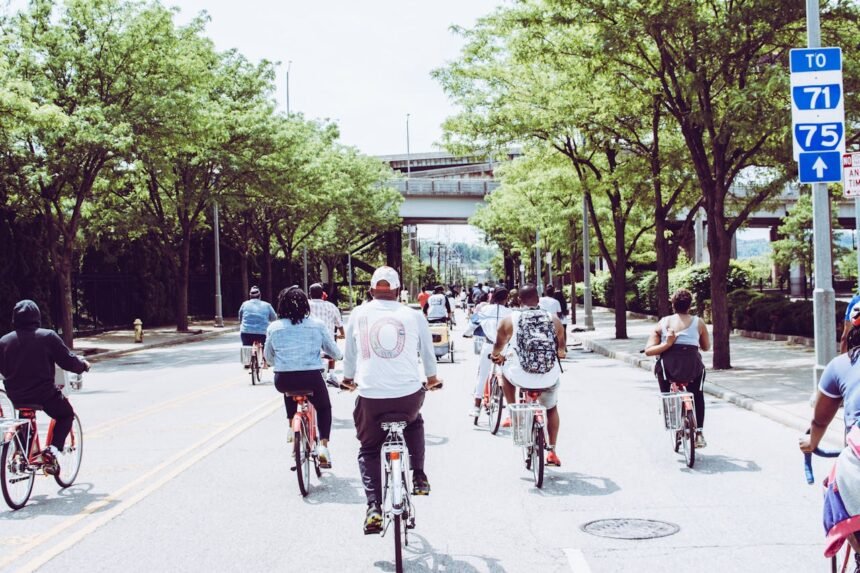
Cycling can be a solitary sport, but it doesn’t have to be. Social connection is a powerful motivator. Joining a local cycling club creates accountability; it is much harder to hit the snooze button when you know five other people are waiting for you at the coffee shop.
The Digital Peloton
If your schedule doesn’t align with local group rides, technology fills the gap. Platforms like Strava allow you to track progress and compete with friends virtually. Furthermore, indoor training environments like Zwift gamify the experience, making indoor winter training surprisingly addictive rather than a drudgery.
However, a word of caution: avoid the comparison trap. Use these tools for community and tracking, not as a measure of your self-worth. As discussed by Harvard Health, social comparison can sometimes lead to anxiety, so curate your feed to inspire rather than discourage.
Strategy 5: Overcoming Environmental Obstacles
Weather and seasonality are massive barriers to consistent cycling motivation. Seasonal Affective Disorder (SAD) affects many athletes during darker months.
- Gear Up: There is a saying in Scandinavia: “There is no bad weather, only bad clothes.” Investing in high-quality thermal bibs, a windproof jacket, and neoprene overshoes can make riding in 40°F (4°C) comfortable.
- Indoor Sanctuary: Create a dedicated pain cave. Having a trainer set up and ready to go removes the friction of preparation.
- Shorten the Ride: In extreme weather, intensity can replace volume. A focused 45-minute interval session can be as effective as a 2-hour endurance ride.
Refer to guidelines by British Cycling for specific tips on winterizing your training plan.
Strategy 6: Mechanical Empathy
Nothing ruins a ride faster than a skipping chain or rubbing brakes. Mechanical issues create mental friction. A poorly maintained bike feels sluggish and makes every pedal stroke harder than it needs to be.
- Regular Maintenance: specific cleaning and lubrication schedules.
- Professional Fitting: A professional bike fit is arguably the best upgrade you can buy. It prevents pain in the knees, back, and neck, allowing you to ride longer. Bicycling.com offers excellent resources on why geometry matters.
Conclusion: The Long Road Ahead
Burnout is not a sign of weakness; it is a sign that your approach needs adjustment. By setting SMART goals, prioritizing recovery, embracing variety, and leveraging the power of community, you can maintain consistent cycling motivation for the long haul. Remember, the goal is not just to ride fast today, but to keep riding for decades to come.
Listen to your body, respect the rest days, and never forget the simple joy of two wheels. If you are feeling the onset of burnout, take a week off. The road will still be there when you get back.
Ready to revitalize your ride? Share this guide with your cycling group or leave a comment below about your favorite way to stay motivated during the off-season!