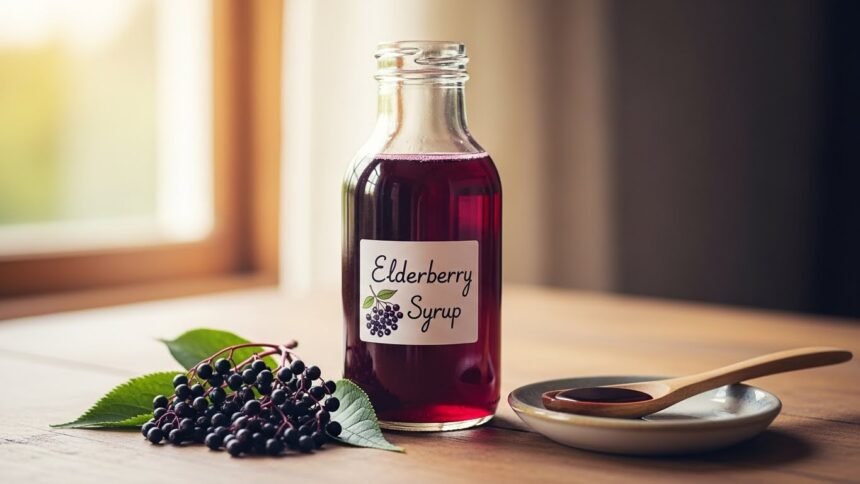
As the winter months roll in and the days grow shorter, many of us instinctively reach for extra layers, hot tea, and immune-boosting supplements. Among the vast array of natural remedies available in the UK, one particular dark purple berry has risen to prominence: the elderberry. Often hailed as a staple of nature’s medicine chest, elderberry syrup is more than just a folk remedy; it is a scientifically backed powerhouse of nutrition.
While you may have seen it on the shelves of health food shops or pharmacies, you might be wondering: what exactly are the benefits of elderberry syrup for adults? Is it simply a tasty cordial, or does it hold the key to a robust immune system? In this comprehensive guide, we will explore the history, science, and practical uses of Sambucus nigra, helping you understand why this ancient remedy deserves a place in your daily routine.
What Exactly is Elderberry Syrup?
Elderberry syrup is derived from the fruit of the Sambucus* tree, specifically the European elder (*Sambucus nigra). These trees are native to Europe and parts of North America and have been used in traditional medicine for centuries. Historically, the elder tree was referred to by Hippocrates, the ancient Greek ‘Father of Medicine’, as his “medicine chest” due to the versatility of the plant.
Today, the berries are harvested and processed—usually cooked with sugar or honey and spices like ginger, cloves, and cinnamon—to create a concentrated syrup. This syrup is rich in vitamins, minerals, and, most importantly, powerful plant compounds called flavonoids.
The Top Health Benefits of Elderberry Syrup
While children are often given milder versions, the elderberry syrup benefits for adults are potent and wide-ranging. From shortening the duration of the flu to potentially supporting heart health, here is why you should consider adding it to your cupboard.
1. A Powerful Weapon Against Colds and Flu
The most well-documented benefit of elderberry syrup is its ability to fight viral infections. It is widely regarded as one of the best natural flu remedies UK residents can access during the damp winter season.
Research suggests that elderberry extract can inhibit the replication of the influenza virus. A study published in the Journal of International Medical Research found that when patients used elderberry syrup within the first 48 hours of showing symptoms, they experienced relief four days earlier than those taking a placebo. The flavonoids in the berries, particularly anthocyanins, are believed to prevent the virus from entering and infecting healthy cells.
> Key Takeaway: Taking elderberry syrup at the very first sign of a sniffle or tickle in the throat may significantly reduce how long you are ill.
2. Packed with Antioxidants and Nutrients
Elderberries are a nutritional goldmine. They are low in calories but high in vitamin C rich foods for immunity* and dietary *fibre. A single cup of fresh berries contains nearly 60% of your recommended daily intake of vitamin C.
More impressively, elderberries are incredibly rich in antioxidants. These compounds help your body fight oxidative stress—a biological imbalance that can lead to chronic diseases. The deep purple colour of the berry comes from anthocyanins, which have been shown to have 3.5 times the antioxidant power of vitamin E.
3. Supporting Heart Health
While immune defence is the primary claim to fame, the sambucus nigra immune system benefits are not the only story. There is emerging evidence that elderberry may be beneficial for heart and blood vessel health.
Studies have shown that elderberry juice may help reduce the level of fat in the blood and decrease cholesterol. Additionally, a diet high in flavonoids is generally linked to a reduced risk of heart disease. Some research indicates that elderberry extract can help reduce blood pressure levels, likely due to the high antioxidant content which helps stabilise bodily functions and reduce inflammation.
4. Skin Health and Anti-Inflammatory Properties
Inflammation is the root cause of many modern ailments. The anti-inflammatory properties of elderberry syrup can help reduce swelling and pain in the body. Furthermore, the antioxidants found in the berries specifically protect the skin. By combatting free radicals, elderberry can help prevent skin damage and may even improve skin structure and health, making it a popular ingredient in some cosmetic products.
The Science: Does Elderberry Really Work?
It is always wise to approach herbal remedies with a healthy dose of scepticism. However, does elderberry syrup work for colds? The scientific consensus leans towards ‘yes’, provided it is used correctly.
* The Air Traveller Study: A randomized, double-blind study conducted by the School of Pharmacy at Griffith University examined air travellers—a group notorious for catching colds. The study found that while elderberry didn’t prevent the cold entirely, those who took it had a significantly shorter duration of illness and less severe symptoms.
* Antiviral Action: A 2011 study published in BMC Complementary Medicine and Therapies showed that elderberry extract displays activity against influenza A and B bacteria associated with respiratory infections.
* FDA and Regulations: It is important to note that while supplements are popular, agencies like the NHS generally recommend rest and fluids for colds, but acknowledge that some herbal remedies can help alleviate symptoms.
Important Safety Information: The Raw Berry Warning
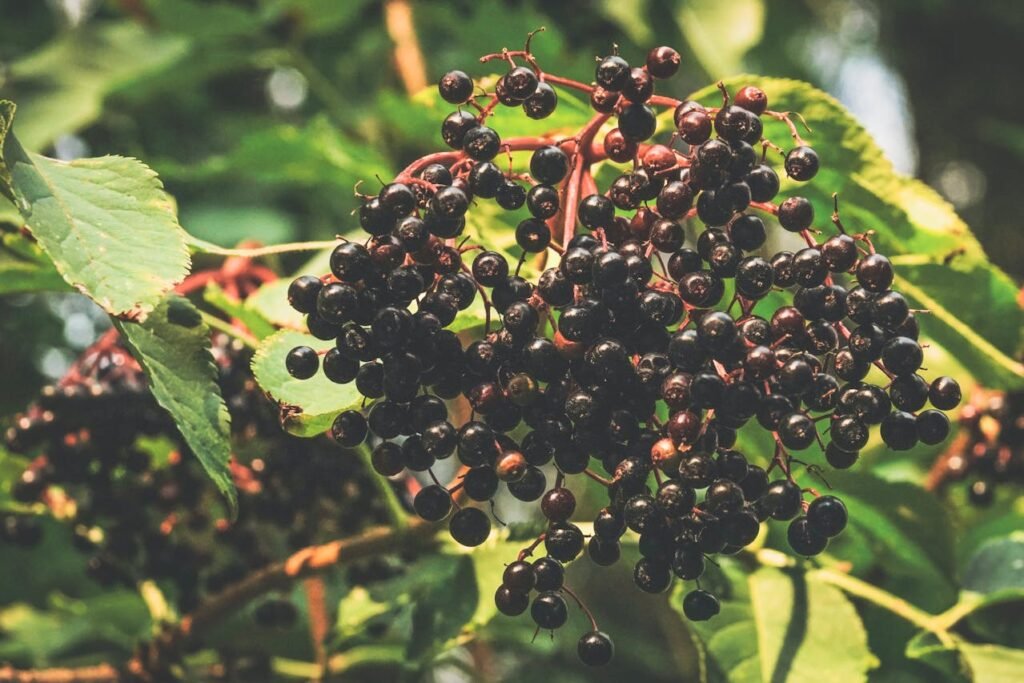
Before you rush out to forage for berries in the British countryside, a crucial warning is necessary. Raw elderberries, as well as the bark and leaves of the plant, are poisonous. They contain cyanogenic glycosides, which can release cyanide when eaten.
Consuming raw elderberries can lead to severe nausea, vomiting, and diarrhoea. Cooking the berries essentially destroys this toxin, making the syrup safe to consume. This is why safe elderberry consumption* dictates that you should either buy a reputable brand or follow a trusted *black elderberry syrup recipe that involves boiling the mixture thoroughly.
Dosage Guide: How Much Should You Take?
Because elderberry is a supplement and not a regulated medication, there is no single standard dose. However, most commercial products and herbalists suggest the following elderberry syrup dosage daily guidelines for adults:
* For Daily Maintenance: 15 ml (approximately one tablespoon) taken once daily.
* For Intensive Use (During Illness): 15 ml taken four times daily, ideally starting within 48 hours of symptom onset.
Always read the label of the specific product you are using, as concentrations can vary. If you are using a homemade syrup, be mindful that it often lacks the preservatives of shop-bought versions and has a shorter elderberry syrup shelf life, usually lasting about 2-3 months in the fridge.
Making Your Own vs. Buying: What to Look For
If you decide to purchase organic elderberry extract benefits from a shop, look for products that:
List *Sambucus nigra as the main ingredient.
* Are low in added sugars (glucose syrup is a common filler).
* Are free from unnecessary additives.
For those who prefer a DIY approach, a simple how to make elderberry syrup at home method involves simmering dried elderberries with water, straining the liquid, and mixing it with raw honey. This not only saves money but allows you to control the sweetness.
Potential Side Effects and Interactions
Generally, elderberry is safe for most adults. However, there are elderberry side effects and interactions to be aware of:
- Autoimmune Diseases: Because elderberry stimulates the immune system, people with autoimmune conditions (like lupus or rheumatoid arthritis) should consult a doctor before use.
- Medications: Elderberry may interact with immunosuppressants, diuretics, and some diabetes medications. Always consult your GP or a pharmacist.
- Pregnancy: There is limited data on the safety of elderberry during pregnancy and breastfeeding, so it is often advised to avoid it or seek medical advice.
Conclusion
The benefits of elderberry syrup for adults* are supported by both tradition and modern science. Whether you are looking for **antiviral herbal supplements**, a *best immune booster for winter, or simply a delicious way to add more antioxidants to your diet, elderberry syrup is a fantastic option. By understanding the proper dosage and safety precautions, you can harness the power of this ancient berry to keep your health in check all year round.
*
Frequently Asked Questions (FAQ)
1. Can you take elderberry syrup every day?
Yes, many adults take a small maintenance dose (typically 1 tablespoon) daily during the winter months to support their immune system. However, it is often recommended to take short breaks (e.g., take it for 5 days, then take 2 days off) to prevent the immune system from becoming over-stimulated.
2. Does elderberry syrup really help with COVID-19?
While elderberry has antiviral properties against the flu, there is currently no conclusive scientific evidence to suggest it prevents or cures COVID-19. You should follow official government health guidelines for COVID-19 prevention and treatment.
3. Is elderberry syrup safe for children?
Yes, elderberry syrup is generally considered safe for children, but the dosage is much lower than for adults (usually 1 teaspoon). Note: Syrups containing honey should never be given to children under 12 months due to the risk of botulism.
4. What is the best time of day to take elderberry syrup?
There is no specific “best” time, but many people prefer taking it in the morning with breakfast to establish a routine. If you are feeling unwell, spreading the dosage throughout the day (morning, noon, evening) is more effective than taking it all at once.
5. Can I take vitamin C and elderberry together?
Absolutely. In fact, many commercial elderberry supplements are fortified with Zinc and Vitamin C to create a comprehensive immune-support formula. Combining vitamin c rich foods for immunity with elderberry can provide a synergistic effect for your health.
*
References:
- National Center for Complementary and Integrative Health (NCCIH) – Elderberry
- PubMed: Randomized study of the efficacy and safety of oral elderberry extract
- Cleveland Clinic: Health Benefits of Elderberry
- WebMD: Elderberry Health Benefits
- Medical News Today: Elderberry health benefits and risks
- Healthline: Elderberry Benefits and Dangers
- NHS: Common Cold Remedies
- ScienceDirect: Sambucus Nigra
- PubMed: Elderberry Supplementation Reduces Cold Duration
10. BMC Complementary Medicine: Antiviral activity of Sambucus Formulations
11. European Medicines Agency: Sambuci fructus
12. Mayo Clinic: Elderberry Information