In our fast-paced world, switching off at the end of the day can feel like an impossible task. Stress, worry, and the blue light from our devices often keep our cortisol levels high when they should be dropping. If you are struggling to drift off or finding it difficult to manage daily stress, aromatherapy for sleep and anxiety UK might be the natural solution you have been looking for.
Essential oils are concentrated plant extracts that capture the natural smell and flavour, or “essence,” of their source. When used correctly, they can have profound effects on the brain and body. This guide will explore the most effective oils to help you relax, the science behind how they work, and safe ways to incorporate them into your nightly routine.
How Does Aromatherapy Work?
Before diving into specific oils, it is helpful to understand the mechanism. When you inhale essential oils, scent molecules travel from the olfactory nerves directly to the brain and especially impact the amygdala, the emotional centre of the brain. This is why a simple smell can trigger a vivid memory or a sudden shift in mood.
Research suggests that activating the smell receptors can influence your nervous system. Some scents can stimulate the production of serotonin and dopamine, whilst others help regulate the stress hormone cortisol. According to Johns Hopkins Medicine, these effects can lead to measurable reductions in stress and improved sleep quality.
Top Essential Oils for Calming Anxiety
Anxiety often acts as a barrier to sleep. By addressing feelings of nervousness or tension first, you pave the way for a restful night. Here are the top oils renowned for their soothing properties.
1. Lavender: The Gold Standard
Lavender is arguably the most famous essential oil for relaxation. It contains linalool, a compound known to have a sedative effect on the central nervous system. Numerous studies have shown the benefits of lavender oil for anxiety, indicating it can lower blood pressure and heart rate.
> “Lavender oil is frequently used in clinical settings to help reduce anxiety in patients awaiting surgery.” – PubMed Central
2. Bergamot: The Citrus Mood Lifter
Unlike most citrus oils which are stimulating, bergamot has a unique calming effect. Extracted from the peel of a bitter orange fruit, it is excellent for reducing nervous tension. Learning how to use bergamot for stress is simple; diffusing it during the day can help prevent stress from building up before bedtime. It has been shown to reduce corticosterone levels, a stress hormone. You can read more about its profile on Healthline.
3. Ylang Ylang: For Heart and Mind
With its rich, floral scent, ylang ylang for relaxation is a popular choice in spas. It is particularly effective for those who experience physical symptoms of anxiety, such as a racing heart. It helps lower blood pressure and promotes a sense of euphoria, making it easier to let go of the day’s worries.
4. Clary Sage: Hormonal Balance
Clary sage for calming is often recommended for women, especially if anxiety is linked to hormonal fluctuations. It acts as a natural antidepressant and can significantly lower cortisol levels. However, it should be avoided during pregnancy due to its potency.
5. Sweet Marjoram: The Nerve Soother
Known for its warm and spicy aroma, sweet marjoram for anxiety is excellent for calming the nervous system. It is less known than lavender but incredibly effective for those who tend to obsess over thoughts when trying to sleep.
Best Essential Oils for Deep Sleep
Once you have managed the anxiety, the next step is inducing deep, restorative sleep. These oils are heavier and more grounding.
6. Roman Chamomile: Gentle Sedation
Just as chamomile tea helps you unwind, the essential oil is a powerful sedative. Roman chamomile for insomnia is gentle enough for children and the elderly. It helps calm the “fight or flight” response, allowing the body to prepare for rest. For more on herbal supplements and sleep, visit the NHS.
7. Vetiver: The Oil of Tranquility
Vetiver oil is derived from the roots of a grass native to India. It has an earthy, heavy scent that is incredibly grounding. Vetiver oil benefits for sleep include stabilizing breathing and relaxing a busy mind. It is often used for shock and trauma, making it ideal for nights when you feel particularly unmoored.
8. Cedarwood: Promoting Melatonin
Cedarwood essential oil uses extend beyond just smelling like a forest. It contains cedrol, a compound that has been found to increase parasympathetic activity (the “rest and digest” system). Some research suggests inhaling cedarwood can help trigger the release of serotonin, which then converts to melatonin, the sleep hormone. See details at Medical News Today.
9. Frankincense: Deep Breathing
Frankincense oil for sleep is excellent for opening the airways and encouraging deep, slow breathing. This signals to your body that it is safe to sleep. Its resinous, woody aroma is also spiritually grounding, helping to quieten mental chatter.
10. Valerian Root: The Heavy Hitter
Valerian root has a very strong, pungent odour that some find unpleasant, but its effects are undeniable. Valerian root essential oil benefits include a profound sedative effect. It is often referred to as nature’s Valium. If the smell is too strong, blend it with lavender or orange. The Sleep Foundation lists Valerian as a top aid for insomnia.
11. Sandalwood: Mental Clarity and Calm
Sandalwood oil for grounding is rich in santalol, a compound that sedates the nervous system. Unlike other sedatives that make you drowsy, sandalwood promotes a state of calm awareness, which is perfect for meditation before bed.
How to Use Essential Oils Safely
To get the most out of these natural sleep remedies UK, you must use them correctly. Here are the best methods:
Diffusion
Using an ultrasonic diffuser is the most popular method. It disperses micro-particles of the oil into the air. Try these essential oil diffuser recipes for sleep:
* Deep Sleep Blend: 3 drops Lavender + 3 drops Cedarwood.
* Anxiety Relief Blend: 2 drops Bergamot + 2 drops Frankincense + 2 drops Ylang Ylang.
Topical Application
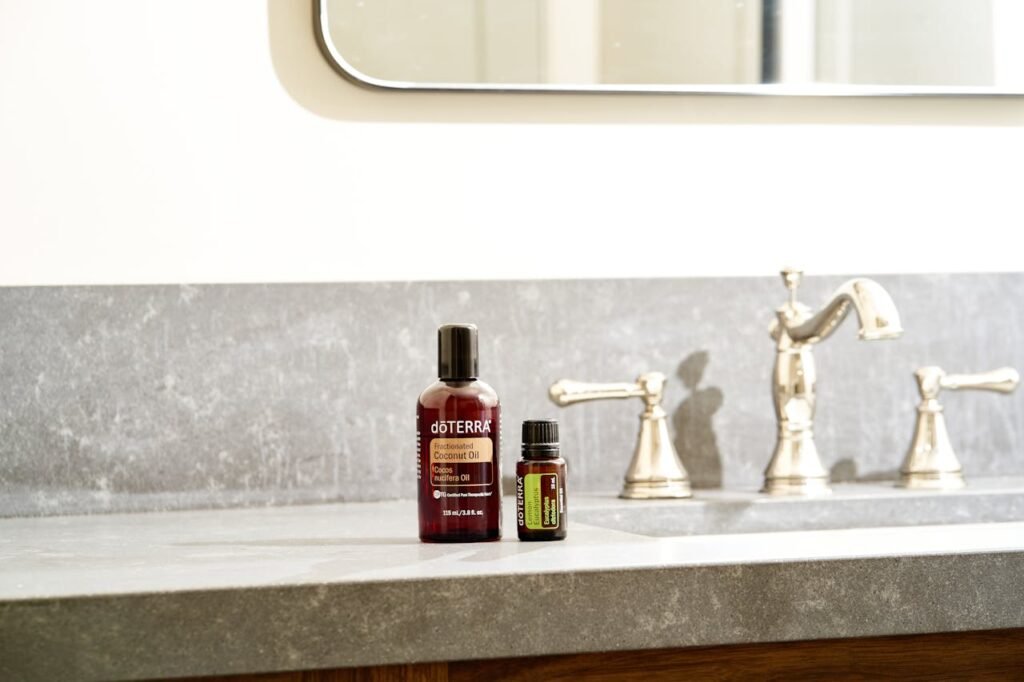
Applying oils to your skin allows them to be absorbed into the bloodstream. However, you must always dilute them. Carrier oils for essential oils UK—such as jojoba, sweet almond, or coconut oil—protect the skin from irritation.
* Ratio: Mix 2-3 drops of essential oil per teaspoon (5ml) of carrier oil.
* Placement: Apply to pulse points (wrists, temples) or the soles of your feet.
Learn more about safe dilution at the Tisserand Institute.
Warm Bath
Adding oils to a bath is luxurious, but oil and water do not mix. If you drop essential oil directly into the bath, it will float on top and may burn your skin. Mix the essential oil with a dispersant (like full-fat milk or a carrier oil) before adding it to the water.
Safety Precautions
While natural, essential oils are potent chemical compounds.
- Skin Test: Always do a patch test on your arm before widespread use.
- Pregnancy: Consult a GP or midwife, as some oils (like Clary Sage) can induce contractions.
- Pets:* Many essential oils are toxic to cats and dogs. *Aromatherapy safety for pets is crucial; for instance, tea tree and peppermint can be dangerous. Check the ASPCA for a list of toxic plants and oils.
- Ingestion: Never ingest essential oils unless under the care of a qualified clinical aromatherapist.
Lifestyle Factors for Better Sleep
Essential oils work best when combined with good sleep hygiene. Ensure your bedroom is cool and dark. Avoid caffeine after midday, as the side effects of too much caffeine* can block adenosine receptors in the brain, keeping you awake. Also, consider your diet; *foods that cause inflammation (like excessive sugar) can disrupt sleep cycles.
Some people find that low-impact movement helps. Low impact exercises for knee pain* or gentle **yoga poses for digestion** done early in the evening can relax the body without overstimulating it. Additionally, if you suffer from discomforts like a *stiff neck, resolving this with gentle stretches is vital before bed.
Conclusion
Finding the right solution for sleeplessness is a personal journey. Whether you prefer the floral notes of lavender or the earthy grounding of vetiver, incorporating these oils into your routine can signal to your brain that it is time to rest. Remember to prioritise quality when buying oils and always adhere to safety guidelines. With a bit of experimentation, you can create a sanctuary of calm that promotes deep, healing sleep.
For more information on general wellness and sleep health, reliable sources like WebMD and the Mayo Clinic offer extensive libraries of medically reviewed advice.
*
Frequently Asked Questions (FAQ)
1. Can I leave my diffuser on all night while I sleep?
It is generally not recommended to leave a diffuser running continuously all night. This can lead to olfactory fatigue (where you stop smelling the oil) or mild irritation. Ideally, use a diffuser with an intermittent setting or a timer that switches off after 30 to 60 minutes.
2. Which essential oil is best for stopping racing thoughts?
Vetiver and Frankincense are excellent for grounding and stopping mental chatter. Sweet Marjoram is also specifically noted for calming obsessive thinking and comforting the mind.
3. Are essential oils safe for children’s sleep?
Some are, but in much lower dilutions. Lavender and Roman Chamomile are widely considered safe for children over 3 months old, but you should always consult a paediatrician or a qualified aromatherapist first. Avoid strong oils like Eucalyptus or Peppermint for young children.
4. How quickly do essential oils work for anxiety?
Inhalation is the fastest method. Because the olfactory system is directly connected to the brain’s emotional centre, you can often feel a shift in your mood within a few minutes of smelling a calming oil like Bergamot or Lavender.
5. Where should I apply essential oils for sleep?
The soles of the feet are a great spot because the pores are larger, allowing for quick absorption, and the skin is less sensitive. You can also apply diluted oil to your wrists, behind the ears, or on your chest to inhale the aroma as you drift off.