Managing high blood pressure (hypertension) can often feel like an uphill battle. It is a condition that rarely announces itself with obvious symptoms, yet it quietly exerts strain on your heart and blood vessels day after day.
If you have recently received a diagnosis of hypertension, or if your GP has warned you that your numbers are creeping up, you are certainly not alone. In the UK, it is estimated that around one in three adults has high blood pressure, a significant risk factor for heart disease and stroke.
While medication is sometimes necessary, lifestyle changes remain the cornerstone of management. Specifically, what you put on your plate matters immensely. A diet rich in specific vegetables can act as a natural vasodilator, relaxing blood vessels and easing the pressure within them.
By prioritising foods rich in potassium, magnesium, and dietary nitrates, you can take proactive control of your cardiovascular health. This article explores the best vegetables for naturally lowering blood pressure, backed by science and nutritional expertise.
Understanding Hypertension and the Power of Diet
Before diving into specific foods, it is crucial to understand why vegetables help. Hypertension essentially means the force of blood pushing against your artery walls is consistently too high. Over time, this damages the delicate lining of your arteries.
Vegetables counter this through three primary biological mechanisms:
1. The Sodium-Potassium Balance
Many people in the UK consume too much salt (sodium) and not enough potassium. Sodium holds onto water, increasing blood volume and pressure. Potassium does the opposite—it helps your kidneys filter more sodium out of your blood through urine.
According to the British Heart Foundation, increasing your intake of potassium-rich fruit and vegetables is one of the most effective ways to counteract the negative effects of salt.
2. Nitric Oxide Production
Certain vegetables are high in dietary nitrates. When you eat them, your body converts these nitrates into nitric oxide. This molecule is a vasodilator, meaning it signals the smooth muscles in your blood vessels to relax, widening the vessel and allowing blood to flow more freely.
3. Magnesium and Calcium
Magnesium acts as a natural calcium channel blocker. It prevents calcium from entering the heart and artery cells, allowing them to relax. A deficiency in magnesium is strongly linked to higher blood pressure readings.
Top Vegetables for Lowering Blood Pressure
Incorporating these vegetables into your daily routine can yield measurable results. Here is a breakdown of the most effective options based on their nutrient profiles.
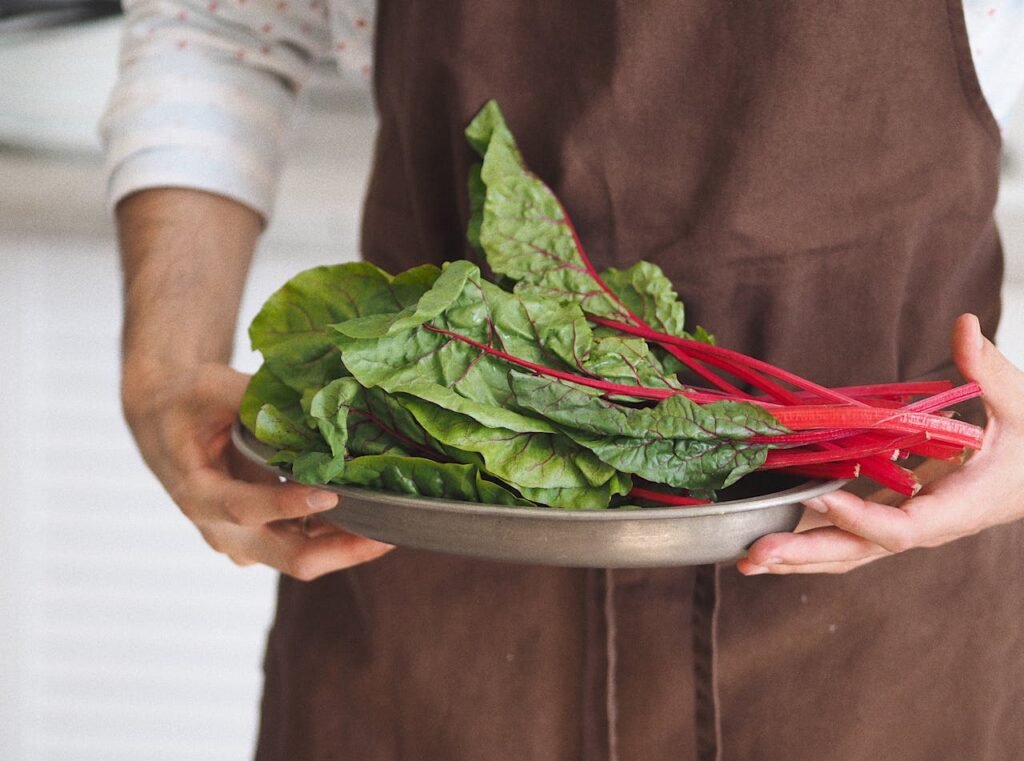
1. Leafy Greens (Spinach, Swiss Chard, and Kale)
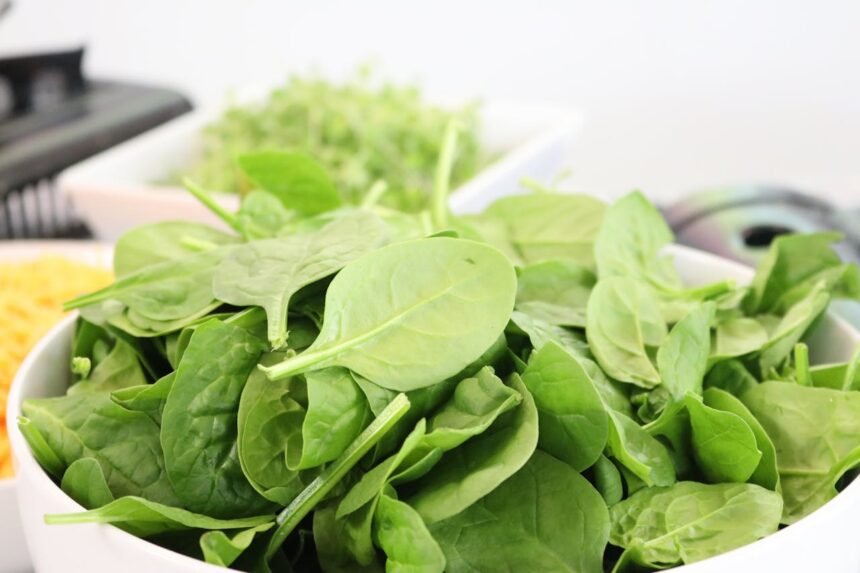
Leafy greens are arguably the most nutrient-dense foods available for heart health. They are exceptionally high in potassium and magnesium.
Swiss Chard, in particular, is a standout. Just one cup of cooked chard provides a massive portion of your daily potassium and magnesium needs. These minerals work in tandem to regulate blood pressure levels.
Spinach is another powerhouse. It is rich in antioxidants, potassium, calcium, and magnesium. A study cited by Healthline highlights that people who consume high amounts of dietary nitrates from spinach often see improvements in their systolic blood pressure.
- How to eat them: Sauté spinach with garlic, blend kale into morning smoothies, or use Swiss chard in stews.
2. Beetroot (Beets)
Beetroot has gained a reputation as a “superfood” for hypertension, and the science supports this claim. Beets are incredibly rich in dietary nitrates.
Research published in top medical journals indicates that drinking beetroot juice can lower blood pressure significantly within just a few hours. The nitrates are converted to nitric oxide, improving endothelial function (the health of the blood vessel lining).
According to Blood Pressure UK, eating the whole vegetable or drinking the juice are both effective strategies.
- How to eat them: Roast them whole, grate raw beetroot into salads, or drink 250ml of beetroot juice daily.
3. Garlic
Garlic is more than just a flavour enhancer; it has medicinal properties used for centuries. The main active compound in garlic is allicin.
Allicin helps prevent the production of angiotensin II, a substance in the body that is responsible for tightening blood vessels. When angiotensin II is inhibited, your vessels remain relaxed, and blood pressure drops.
For those interested in the clinical evidence, studies aggregated by Medical News Today suggest that garlic supplements can be as effective as standard blood pressure medications in some populations.
- How to eat it: To activate the allicin, crush or chop fresh garlic and let it sit for a few minutes before cooking.
4. Sweet Potatoes
While white potatoes often get a bad reputation due to carbohydrates, sweet potatoes are a cardiovascular ally. They are packed with potassium and magnesium, as well as fibre.
Fibre is essential for heart health as it helps manage cholesterol levels, which often go hand-in-hand with blood pressure issues. The NHS recommends a high-fibre diet as part of a holistic approach to preventing hypertension.
- How to eat them: Bake them in their skins to retain the most nutrients. Avoid deep-frying.
5. Carrots
Crunchy and sweet, carrots are high in phenolic compounds, such as chlorogenic, p-coumaric, and caffeic acids. These compounds help relax blood vessels and reduce inflammation.
Eating carrots raw appears to be more beneficial for lowering high blood pressure than eating them cooked, as the cooking process can degrade some of these specific compounds.
Comparison of Nutrient Profiles
To help you visualise which vegetables offer the best benefits, we have compiled a comparison of key heart-healthy nutrients.
| Vegetable | Key Compound | Best Preparation | Primary Benefit |
|---|---|---|---|
| Beetroot | Dietary Nitrates | Juiced or Roasted | Rapid vasodilation (widening of vessels). |
| Spinach | Potassium & Magnesium | Raw or Lightly Steamed | Balances sodium levels efficiently. |
| Garlic | Allicin | Crushed (Raw) | Inhibits vessel-tightening hormones. |
| Swiss Chard | Magnesium | Sautéed | Relaxes arterial muscles. |
| Celery | Phthalides | Raw | Relaxes the tissues of artery walls. |
Frequently Asked Questions
Can vegetables replace my blood pressure medication?
No. While diet is powerful, you should never stop taking prescribed medication without consulting your GP. Vegetables should be viewed as a complementary therapy that may help reduce your dosage over time under medical supervision, as per NICE guidelines.
How quickly can diet lower blood pressure?
Some foods, like beetroot juice, can have an acute effect within hours. However, for sustained, long-term reduction, you typically need to maintain a heart-healthy diet for several weeks to see a permanent shift in your resting blood pressure.
Are frozen vegetables as good as fresh?
Generally, yes. Frozen vegetables are picked at peak ripeness and flash-frozen, locking in nutrients. However, you must check the label to ensure there is no added salt or butter, which would be counterproductive. The CDC notes that sodium hidden in processed foods is a major contributor to hypertension.
Is the DASH diet the best approach?
The DASH (Dietary Approaches to Stop Hypertension) diet is widely recognised globally. It emphasises fruits, vegetables, whole grains, and lean proteins. It aligns closely with the advice from Harvard Health regarding nutrient-dense eating patterns.
What about tomato products?
Tomatoes contain lycopene, which has been linked to improved heart health. However, canned tomato soups and sauces are often incredibly high in salt. Always read the label or cook from scratch using fresh tomatoes.
The Bottom Line
High blood pressure is a serious condition, but it is also one that is highly responsive to lifestyle changes. By integrating nitrate-rich vegetables like beetroot, potassium-packed leafy greens, and allicin-rich garlic into your meals, you are actively giving your cardiovascular system the tools it needs to function correctly.
Remember to focus on the whole picture: reduce your salt intake, maintain a healthy weight, and stay active. These vegetables are potent allies, but they work best as part of a broader, healthy lifestyle.
If you are concerned about your blood pressure readings, always seek professional advice. You can find more resources and support regarding heart health at GOV.UK or through your local GP surgery.
Start small. Add a side of spinach to your dinner tonight, or swap your afternoon snack for a carrot. Your heart will thank you for it.