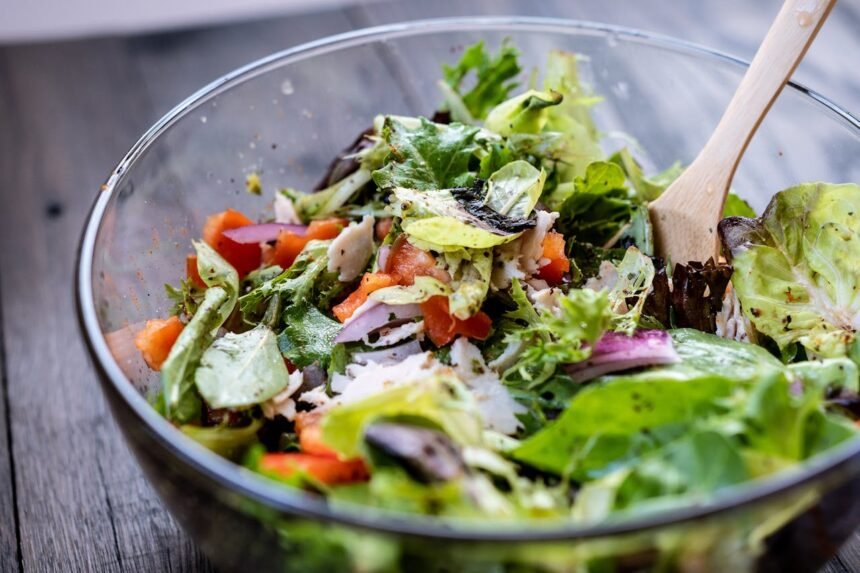
Mustard greens are a nutritional powerhouse, celebrated for their peppery flavour and impressive profile of vitamins and antioxidants. Belonging to the Brassica family, they offer a distinct zest that sets them apart from milder leafy vegetables like spinach or lettuce. However, like many delicate greens, they are prone to rapid wilting and spoilage if not handled correctly.
Understanding how to store mustard greens effectively is essential for reducing food waste and ensuring you receive the maximum nutritional benefit from your produce. Whether you have harvested a bumper crop from your allotment or purchased a large bunch from the market, proper storage techniques can extend their shelf life significantly.
This guide explores the science behind keeping greens fresh, the best storage methods for short and long-term preservation, and practical tips to maintain their crisp texture and vibrant colour.
Why Do Mustard Greens Spoil So Quickly?
Before diving into storage solutions, it is helpful to understand the factors that contribute to the deterioration of leafy greens. Unlike root vegetables, which have a long shelf life, mustard greens have a high surface-area-to-volume ratio. This structure makes them particularly susceptible to moisture loss and oxidation.
Respiration and Transpiration
Even after harvest, vegetables continue to ‘breathe’ through a process called respiration. Mustard greens have a high respiration rate, meaning they break down stored sugars quickly to survive, leading to wilting and a loss of sweetness. Simultaneously, they lose water through transpiration. When the leaves lose turgidity (water pressure), they become limp.
Moisture Imbalance
Moisture is a double-edged sword for leafy greens. Too little humidity causes them to dry out and wilt. Conversely, excess moisture—especially standing water on the leaves—promotes the growth of bacteria and fungi, resulting in slimy, unusable greens.
According to the USDA Food Safety and Inspection Service, bacteria grow rapidly in moist environments, which is why controlling humidity is the most critical aspect of storage.
Ethylene Sensitivity
Mustard greens are sensitive to ethylene, a natural gas emitted by certain fruits and vegetables as they ripen. Exposure to ethylene can accelerate the yellowing of the leaves, a process known as chlorosis. This leads to a loss of chlorophyll and vital nutrients like Vitamin K.
How to Store Mustard Greens in the Fridge
Refrigeration is the best method for consuming greens within a week. The goal is to create a humid environment while preventing direct contact with water.
Method 1: The Paper Towel and Bag Method (Best for Crispness)
This is widely considered the gold standard for storing most leafy greens. It balances humidity and airflow effectively.
- Do Not Wash Yet: Ideally, store mustard greens unwashed. Surface moisture from washing drastically increases the risk of bacterial rot. If you must wash them, ensure they are thoroughly dried using a salad spinner.
- Wrap in Paper Towels: Lay the leaves out on a dry paper towel. Gently roll them up or place another towel on top. The paper acts as a wick, absorbing excess moisture that could cause slime, whilst keeping the environment humid enough to prevent wilting.
- Place in a Sealable Bag: Slide the wrapped greens into a plastic zip-top bag or a silicone stasher bag.
- Ventilation: Do not seal the bag completely; leave about an inch open, or poke a few small holes in the bag. This allows ethylene gas and excess carbon dioxide to escape.
- Crisper Drawer: Place the bag in the high-humidity drawer (crisper) of your fridge.
Shelf Life: 5 to 7 days.
Method 2: The Container Method
If you prefer to avoid plastic bags, rigid containers are an excellent alternative.
- Line the Container: Place a clean, dry tea towel or paper towel at the bottom of a large airtight container.
- Fill Loosely: Place the unwashed mustard greens inside. Do not cram them in, as bruising can accelerate spoilage.
- Cover: Place another folded paper towel on top of the greens before snapping the lid shut.
- Flip Occasionally: Every couple of days, flip the container over. This redistributes moisture and prevents leaves at the bottom from getting crushed and soggy.
Shelf Life: 5 to 10 days.
For more on the benefits of including these vegetables in your diet, you can read about the nutritional profile of leafy greens on Healthline.

Long-Term Storage: Freezing Mustard Greens
If you have more greens than you can consume in a week, freezing is the best option. However, you cannot simply toss raw leaves into the freezer. Raw greens have high water content and active enzymes that will degrade flavour and texture.
The Importance of Blanching
Blanching stops the enzyme action which can cause loss of flavour, colour and texture. The National Center for Home Food Preservation highlights that blanching cleanses the surface of dirt and organisms, brightens the colour and helps retard loss of vitamins.
Step-by-Step Freezing Guide
- Wash Thoroughly: distinct from fridge storage, you must wash greens vigorously before freezing. Agitate them in a bowl of cold water to remove grit and soil.
- Prep the Leaves: Remove thick, woody stems. You can chop the leaves into the desired size for cooking.
- Blanch: Bring a large pot of water to a rolling boil. Submerge the greens for exactly 2 minutes.
- Ice Bath: Immediately transfer the greens to a bowl of ice water for the same amount of time (2 minutes). This ‘shocking’ process stops the cooking immediately.
- Dry: Drain well and squeeze out excess water.
- Flash Freeze: Spread the clumps of greens on a baking sheet and freeze for 1–2 hours. This prevents them from freezing into a single solid brick.
- Store: Transfer to freezer-safe bags, remove as much air as possible, and label with the date.
Shelf Life: 8 to 12 months.
Comparative Storage Overview
The following table summarises the expected shelf life based on the method used:
| Storage Method | Preparation Required | Expected Shelf Life | Best For |
|---|---|---|---|
| Crisper Drawer (Raw) | Minimal (Paper towel wrap) | 3–5 Days | Salads, quick saut%C3%A9s |
| Airtight Container | Medium (Layering towels) | 5–10 Days | Meal prepping |
| Freezer | High (Blanching required) | 8–12 Months | Soups, stews, smoothies |
| Countertop | None | 1–2 Days | Immediate use only |
Practical Tips for Maximum Freshness
Beyond the specific method, several small habits can drastically affect the longevity of your mustard greens.
1. Shop Smart
The clock starts ticking the moment the greens are harvested. When selecting mustard greens, look for vibrant, deep green leaves. Avoid bunches with yellowing edges, slime on the stems, or significant insect damage. According to the FDA, selecting produce that isn’t bruised or damaged is the first step in food safety.
2. Keep Them Cool
Leafy greens degrade rapidly at room temperature. If you are transporting them home from a shop in a warm car, use a cool bag. Once home, refrigerate them immediately. The Academy of Nutrition and Dietetics advises keeping your fridge temperature at or below 4°C (40°F) to slow bacterial growth.
3. Isolate from Ethylene Producers
As mentioned, ethylene gas promotes ripening and spoilage. Never store mustard greens in the same drawer as apples, pears, avocados, or melons. These fruits are high ethylene producers. Keeping your greens isolated will prevent premature yellowing. For more on ethylene producers, consult the Produce for Better Health Foundation.
4. Reviving Wilted Greens
If your mustard greens have gone limp but show no signs of slime or decay, they are still safe to eat. You can revive them by trimming the ends of the stems and submerging the leaves in a bowl of ice-cold water for 20 to 30 minutes. The cells will reabsorb water, restoring crispness.
5. Utilise the Stems
Many people discard the stems, but they are edible and nutritious. If you are storing greens for a long period, separate the leaves from the stems. Store the stems separately; they are heartier and can last longer than the delicate leaves. They are excellent in stir-fries or pickled. This aligns with sustainable eating practices recommended by Medical News Today regarding vegetable consumption.
Signs of Spoilage
Safety is paramount. Even with the best storage methods, produce eventually expires. Discard mustard greens if you notice:
- Slime: A slippery film on the leaves indicates bacterial breakdown.
- Off-Odour: A sour, ammonia-like, or rotten smell.
- Discolouration: While slight yellowing is just ageing, dark brown or black spots usually indicate rot or fungal issues.
The CDC warns that leafy greens handled incorrectly can be a source of foodborne illness, so when in doubt, throw it out.
The Bottom Line
Learning how to store mustard greens properly is a simple way to improve your diet and reduce kitchen waste. By controlling moisture and temperature, you can keep these peppery greens fresh for over a week in the fridge or up to a year in the freezer.
Key takeaways include:
- Keep it dry: Do not wash greens until you are ready to use them.
- Control humidity: Use paper towels to absorb excess moisture in storage bags.
- Blanch to freeze: Always blanch greens before freezing to preserve nutrients and colour.
- Separate: Keep greens away from ethylene-producing fruits.
Incorporating fresh mustard greens into your diet provides essential nutrients like antioxidants and fibre. For further reading on the benefits of cruciferous vegetables, the Cleveland Clinic offers excellent resources.
By following these evidence-based storage tips, you can enjoy the robust flavour and health benefits of mustard greens whenever you choose.