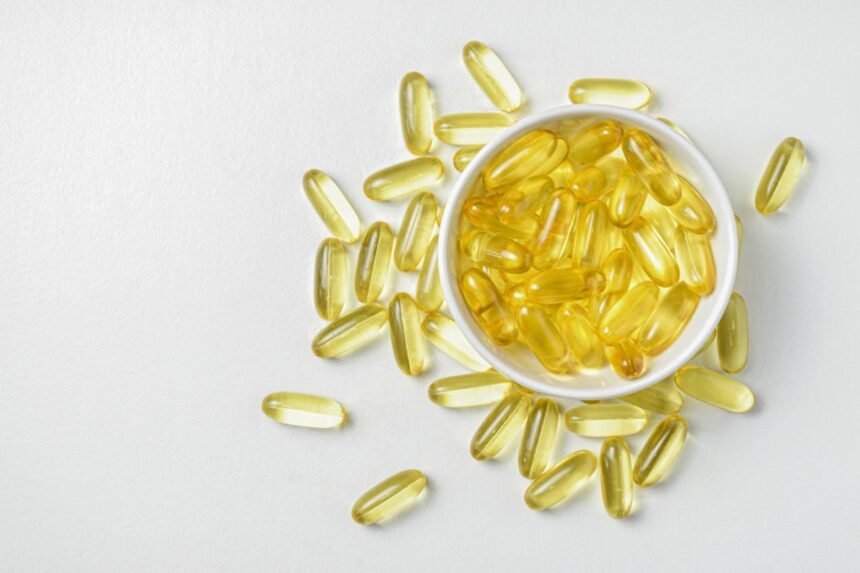
For decades, the conversation surrounding heart health and essential fatty acids has been dominated by a single supplement: fish oil. While the cardiovascular benefits of fatty fish are well-documented, a growing segment of the population is seeking alternatives due to dietary restrictions, environmental concerns regarding overfishing, or simple personal preference. Fortunately, the plant kingdom offers a robust arsenal of essential fats that are equally crucial for cardiovascular wellness.
Understanding the nuance of plant-based omega 3 heart benefits is essential for vegans, vegetarians, and anyone looking to diversify their nutrient intake. From the humble flaxseed to the innovative world of algae oil, harnessing these plant-derived nutrients can significantly impact your heart health, cholesterol levels, and systemic inflammation.
The Omega-3 Spectrum: ALA, EPA, and DHA
To appreciate the value of plant-based sources, one must first understand the biology of Omega-3 fatty acids. They are not all created equal, and they function differently within the human body. The three main types are:
- Alpha-linolenic acid (ALA): This is the foundation of plant-based omega-3s. Found in seeds, nuts, and vegetable oils, ALA is an essential fat, meaning the body cannot produce it; it must be obtained through diet.
- Eicosapentaenoic acid (EPA): Primarily found in marine sources, EPA is known for its anti-inflammatory properties.
- Docosahexaenoic acid (DHA): Also marine-based, DHA is critical for brain function and eye health.
According to the National Institutes of Health (NIH), the human body can convert ALA into EPA and DHA, though the conversion rate is historically viewed as inefficient (often less than 15%). However, recent research suggests that a diet rich in ALA still confers significant protection against cardiovascular disease, independent of this conversion process.
The Power Players: Top Plant Sources of Omega-3s
Integrating plant-based omega-3s into your diet is easier than many assume. The following foods are nutrient-dense powerhouses that provide substantial amounts of ALA.
Flaxseeds and Flaxseed Oil
Flaxseeds are arguably the most concentrated terrestrial source of ALA. To unlock their full potential, seeds should be ground; whole flaxseeds often pass through the digestive tract intact, preventing nutrient absorption. The Cleveland Clinic notes that flaxseed oil is also highly beneficial, though it lacks the fiber component found in ground seeds.
Walnuts
Walnuts are unique among nuts because they contain significantly higher amounts of ALA. A handful of walnuts not only provides healthy fats but also antioxidants that protect the endothelium (the inner lining of blood vessels). Research highlighted by the California Walnut Commission demonstrates that regular walnut consumption contributes to lower LDL cholesterol.
Chia Seeds
These tiny seeds are nutritional giants. Beyond their high ALA content, chia seeds are hydrophilic, absorbing up to 12 times their weight in water, which aids in hydration and satiety. They require no grinding and can be easily sprinkled over oatmeal or yogurt.
Hemp Seeds
Hemp seeds offer a desirable ratio of Omega-6 to Omega-3 fatty acids (roughly 3:1), which is considered optimal for human health. They are also a complete protein, containing all nine essential amino acids.
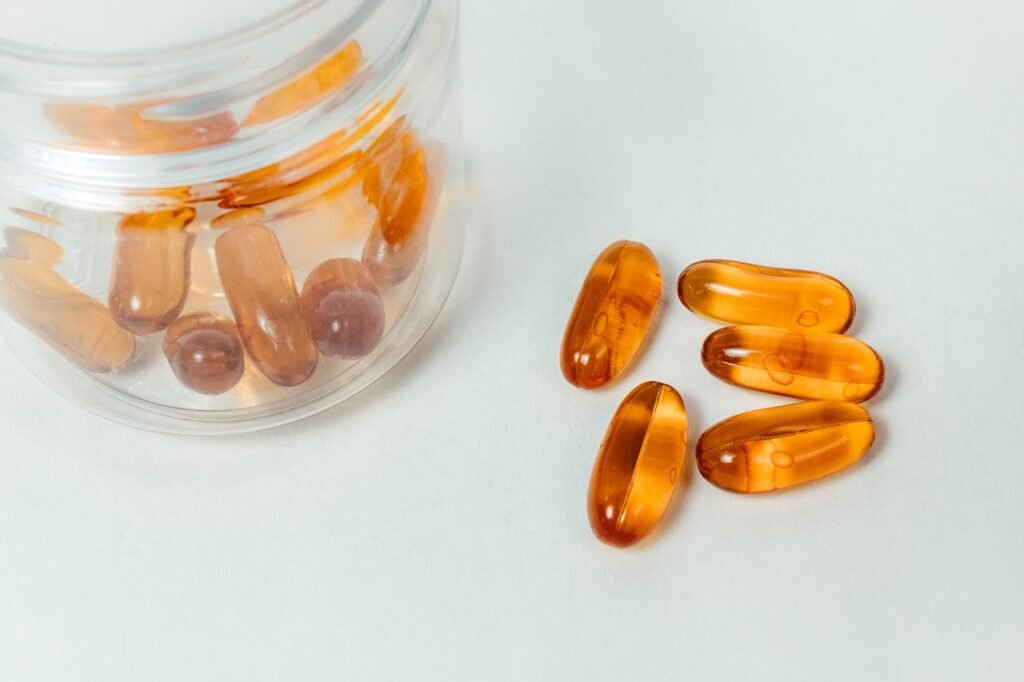
Comparison: ALA Content in Plant Foods
To help you gauge your intake, the following table compares the approximate ALA content per standard serving of common plant-based foods.
| Food Source | Serving Size | Approximate ALA Content (g) | Additional Heart Benefits |
|---|---|---|---|
| Flaxseed Oil | 1 Tablespoon | 7.26 g | Lowers blood pressure |
| Chia Seeds | 1 Ounce (28g) | 5.06 g | High in soluble fiber |
| English Walnuts | 1 Ounce (28g) | 2.57 g | Improves endothelial function |
| Whole Flaxseeds | 1 Tablespoon | 2.35 g | Contains lignans (antioxidants) |
| Hemp Seeds | 3 Tablespoons | 2.60 g | Complete protein source |
| Canola Oil | 1 Tablespoon | 1.28 g | Low saturated fat content |
The Algae Oil Revolution: Skipping the Fish
While ALA is beneficial, many experts argue that getting direct sources of EPA and DHA is still vital for optimal heart health. This is where algae oil changes the game.
Fish do not produce omega-3s; they accumulate them by consuming microalgae. By going directly to the source—harvesting the algae itself—we can obtain a potent, sustainable, and vegan source of DHA and EPA.
Algae oil supplements have been shown to be bioequivalent to cooked salmon in terms of DHA absorption. This is a crucial development for those strictly avoiding animal products. According to WebMD, algal oil can help regulate heartbeat, reduce blood pressure, and decrease the risk of blood clots, mimicking the effects of traditional fish oil.
Unpacking the Plant-Based Omega 3 Heart Benefits
Transitioning to or incorporating more plant-derived fats offers multi-faceted benefits for the cardiovascular system. Here is how these nutrients work to protect your heart:
1. Cholesterol Management
Plant-based omega-3s, particularly when consumed as whole foods like nuts and seeds, are often accompanied by fiber and phytosterols. This combination helps lower low-density lipoprotein (LDL), often called “bad” cholesterol. The Mayo Clinic emphasizes that diet is a primary lever for controlling cholesterol levels without medication.
2. Triglyceride Reduction
High triglycerides are a significant marker for heart disease risk. While high-dose fish oil is the standard medical treatment for severe hypertriglyceridemia, consistent intake of algae oil and ALA-rich foods can contribute to maintaining healthy triglyceride levels within the normal range.
3. Fighting Inflammation
Chronic inflammation is a silent killer and a precursor to atherosclerosis (hardening of the arteries). Omega-3 fatty acids are precursors to specialized pro-resolving mediators (SPMs) that actively resolve inflammation. A diet high in plant omega-3s helps balance the often excessive Omega-6 intake prevalent in the Western diet. The Arthritis Foundation notes that reducing systemic inflammation benefits not just the joints, but the cardiovascular system as well.
4. Arrhythmia Prevention
There is evidence suggesting that omega-3 fatty acids help stabilize the heart’s electrical activity. This can reduce the risk of arrhythmias, particularly atrial fibrillation. The American Heart Association continues to endorse omega-3 consumption as part of a preventative strategy against sudden cardiac death.
Sustainability and Environmental Impact
Choosing plant-based omega-3s is not merely a health decision; it is an environmental one. Overfishing poses a severe threat to marine ecosystems. The production of fish oil supplements contributes to this strain. In contrast, flax, chia, and walnuts are renewable crops with a significantly lower carbon footprint.
Furthermore, growing algae for oil is highly sustainable. It can be cultivated in controlled environments (tanks), requiring no arable land and minimal fresh water, as noted by sustainability reports from organizations like the World Wildlife Fund. This ensures a clean product free from the heavy metals (like mercury) and microplastics often found in deep-sea fish.
Practical Tips for Dietary Integration
To maximize plant-based omega 3 heart benefits, consistency is key. Here are practical ways to increase your intake:
- The Smoothie Boost: Add a tablespoon of ground flaxseed or hemp hearts to your morning smoothie. The taste is undetectable, but the nutritional value skyrockets.
- Baking Swaps: Use chia gel (chia seeds soaked in water) as an egg replacement in vegan baking, or simply add walnuts to muffins and breads.
- Salad Dressings: Use walnut oil or flaxseed oil for salad dressings. Note: Do not cook with flaxseed oil as it has a low smoke point and oxidizes easily.
- Supplementation: If you do not eat fatty fish, consider a daily algae oil supplement providing at least 250-500mg of combined EPA/DHA, as recommended by the Academy of Nutrition and Dietetics.
Precautions and Bioavailability
While plant sources are excellent, bioavailability remains a consideration. Several factors can inhibit the conversion of ALA to EPA/DHA, including high intake of Omega-6 fatty acids (found in processed vegetable oils like soybean and corn oil), smoking, and certain chronic illnesses.
To optimize conversion:
- Reduce consumption of processed foods high in Omega-6s.
- Ensure adequate intake of co-factors like zinc, magnesium, and Vitamin B6, which are required for the enzymatic conversion process.
Conclusion
The narrative that heart health depends solely on fish oil is outdated. By harnessing the power of plant-based omega-3s—through nutrient-dense seeds, nuts, and cutting-edge algae oil—you can build a heart-healthy diet that aligns with your ethical and environmental values.
Whether you are sprinkling chia seeds on your breakfast or taking a daily algae supplement, you are taking proactive steps toward reducing inflammation, managing cholesterol, and protecting your cardiovascular future. As with any significant dietary change, it is wise to consult with a healthcare provider to tailor these choices to your specific medical history.
Disclaimer: This article is for informational purposes only and does not constitute medical advice.