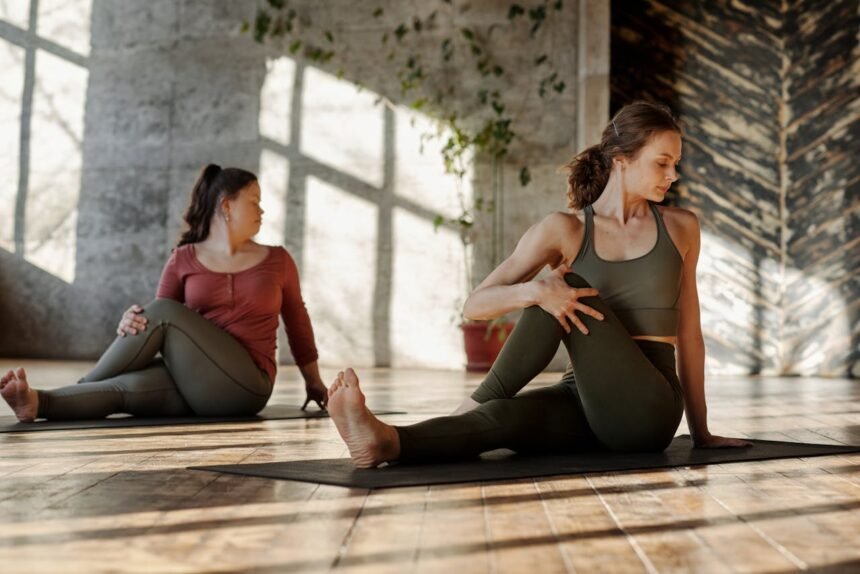
For many devoted practitioners, the yoga studio is a sanctuary—a distinct space where the chaos of the outside world melts away, replaced by the rhythmic sound of ujjayi breath and the grounding sensation of feet on the mat. However, a common challenge arises the moment we step outside: the “post-yoga glow” often evaporates in the heat of traffic jams, workplace deadlines, and interpersonal conflicts. The true mastery of the practice lies not in a perfect handstand, but in the seamless integration of mindfulness in daily yoga into the tapestry of everyday life.
Yoga is far more than a physical exercise regimen; it is a comprehensive system for living. By translating the focus, patience, and compassion cultivated during asana practice into real-world scenarios, we can transform mundane moments into opportunities for profound growth.
The Philosophical Roots: Yoga is More Than Asana
To understand how to live our yoga, we must look at the blueprint provided by the ancient texts. The Yoga Sutras of Patanjali, a foundational text, outlines the Eight Limbs of Yoga. Surprisingly, only one limb (Asana) refers to physical postures. The others deal with ethical disciplines, breath control, and meditation.
According to [Yoga Journal](https://www.yogajournal.com/yoga-101/philosophy/8-limbs-of-yoga/ the-eight-limbs-of-yoga/), the first two limbs—Yamas (social restraints) and Niyamas (self-disciplines)—are specifically designed to guide our interactions with the world and ourselves. When we practice non-violence (Ahimsa) or truthfulness (Satya) in a boardroom meeting or a family dinner, we are practicing yoga just as intensely as when we hold a Warrior II pose.
The Neuroscience of Mindfulness
Incorporating mindfulness in daily yoga practices off the mat isn’t just spiritually fulfilling; it is scientifically validated to alter brain structure. This phenomenon, known as neuroplasticity, suggests that repeated mindful behaviors can rewire the brain to react differently to stress.
Research published by the National Institutes of Health (NIH) indicates that mindfulness meditation can reduce the density of the amygdala, the brain’s “fight or flight” center. Conversely, it thickens the prefrontal cortex, responsible for higher-order brain functions such as awareness, concentration, and decision-making. By consciously applying the focus used in balancing poses to stressful life situations, we are literally training our brains to remain calm under pressure.

Practical Ways to Practice Mindfulness in Daily Yoga Off the Mat
Transitioning from the mat to the marketplace requires intention. Here are specific strategies to bridge the gap.
1. Pranayama in the Commute
Breath is the bridge between the mind and body. In yoga, we use Pranayama (breath control) to regulate energy. This is immediately applicable when driving or commuting. Instead of succumbing to road rage, utilize the 4-7-8 breathing technique.
The American Lung Association highlights that diaphragmatic breathing can lower cortisol levels and blood pressure. When the red light turns on, treat it as a bell of mindfulness—a reminder to deepen your inhale and lengthen your exhale.
2. Mindful Eating as Meditation
We often eat while distracted by screens or work. This disconnects us from the body’s satiety signals. Applying the yogic principle of Saucha (purity/cleanliness) involves being mindful of what and how we consume.
According to The Center for Mindful Eating, engaging all senses during a meal improves digestion and our relationship with food. Before taking the first bite, pause to appreciate the colors and smells, just as you would pause to set your foundation in Tadasana.
3. Deep Listening (Satya and Ahimsa)
In conversations, we are often planning our response rather than truly listening. This lacks presence. Applying mindfulness in daily yoga means offering your full attention to the speaker, an act of Ahimsa (non-violence/kindness) and Satya (truthfulness).
Psychology Today suggests that mindful listening fosters deeper connection and reduces conflict. It requires the same non-judgmental observation we practice when noticing tightness in our hamstrings.
Translating Asana to Ergonomics: Body Awareness
Proprioception, or body awareness, is a key benefit of yoga. This awareness shouldn’t end when you leave the studio. In a modern office environment, “tech neck” and poor posture are rampant.
Comparative Analysis: On the Mat vs. In Life
The following table illustrates how specific yoga concepts translate into daily activities:
| Yoga Concept / Pose | On the Mat Focus | Off the Mat Application |
|---|---|---|
| Tadasana (Mountain Pose) | Grounding through feet, aligning spine, relaxing shoulders. | Standing in Line: Distribute weight evenly, engage core, avoid locking knees while waiting at the grocery store. |
| Drishti (Focused Gaze) | Soft gaze at one point to maintain balance. | Deep Work: minimizing browser tabs and focusing on a single task to reduce cognitive load. |
| Savasana (Corpse Pose) | Conscious relaxation and surrender. | Sleep Hygiene: Systematically relaxing muscles before bed to combat insomnia. |
| Aparigraha (Non-grasping) | Letting go of the ego’s desire to perform the “perfect” pose. | Decluttering: Letting go of material possessions or grudges that no longer serve a purpose. |
Maintaining spinal alignment at a desk is essentially a seated Tadasana. The Mayo Clinic emphasizes that proper alignment prevents muscle strain and fatigue, directly correlating physical posture with energy levels.
Overcoming Obstacles: The Busy Trap
The biggest barrier to mindfulness in daily yoga is the perception of time scarcity. We feel we are too busy to be mindful. However, mindfulness does not require more time; it requires more presence.
It is vital to manage digital consumption. The American Psychological Association (APA) reports that constant connectivity is a significant source of stress. Practicing Pratyahara (withdrawal of the senses) can be as simple as turning off notifications for one hour a day to reset the nervous system.
The Long-Term Benefits of Living Your Yoga
When we successfully integrate these practices, the benefits compound over time. We become less reactive and more responsive. Emotional regulation becomes second nature.
Research from Harvard Health Publishing confirms that consistent mindfulness practice helps manage anxiety and depression. It shifts the baseline of our mental state from one of vigilant stress to grounded awareness.
Furthermore, the Greater Good Science Center at UC Berkeley notes that mindfulness increases compassion and altruism. Living your yoga makes you a better partner, parent, and colleague.
Conclusion: The Practice Begins Now
The transition from doing yoga to living yoga is the journey of a lifetime. It is not about perfect adherence to ancient scriptures every second of the day, but rather the gentle effort to return to the present moment whenever we drift away.
Incorporating mindfulness in daily yoga routines outside the studio transforms the world into your mat. Every breath is a vinyasa; every interaction is an adjustment.
Call to Action: Start small today. Choose one activity you usually do on autopilot—brushing your teeth, drinking coffee, or walking to the car—and commit to doing it with the same full attention you bring to your yoga practice. Observe the shift in your mind, and let the practice ripple outward.