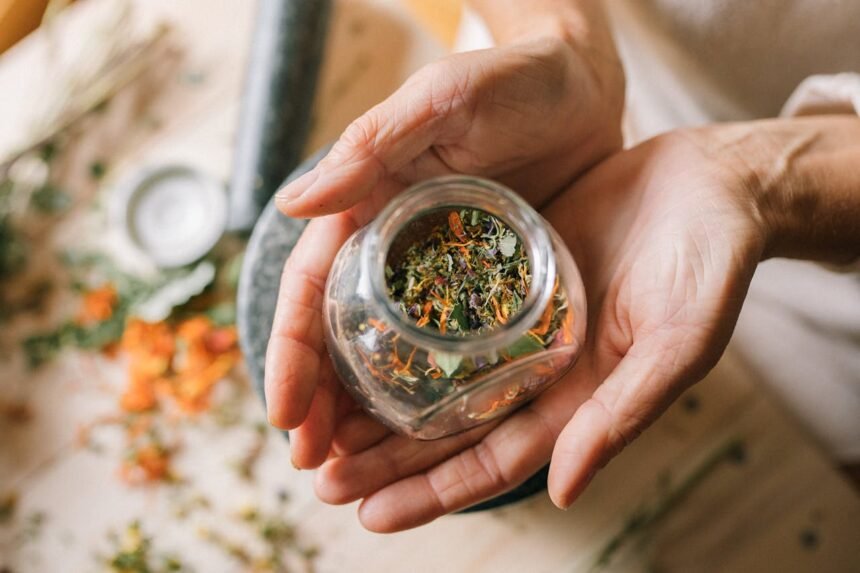
For millions of people, the arrival of spring is a bittersweet symphony. While the blooming flowers and warmer temperatures signal the end of winter, they also usher in a season of relentless sneezing, itchy eyes, and congestion. Seasonal allergic rhinitis, commonly known as hay fever, affects a significant portion of the global population. While over-the-counter pharmaceuticals offer relief, they often come with unwanted side effects like drowsiness or nasal dryness. Consequently, many sufferers are turning toward holistic approaches, seeking natural remedies seasonal allergies relief that work in harmony with the body’s immune system.
In this comprehensive guide, we delve into the science-backed natural interventions that can help mitigate allergic reactions, moving beyond temporary fixes to address the underlying inflammatory responses.
The Mechanism of Misery: What Happens During an Allergic Reaction?
To understand how to treat allergies naturally, one must first understand the mechanism. When a person with seasonal allergies inhales pollen (from trees, grasses, or weeds), their immune system identifies this harmless substance as a dangerous invader. In response, the body produces antibodies known as Immunoglobulin E (IgE).
These antibodies travel to cells that release chemicals, causing an allergic reaction. The primary culprit is histamine, a chemical that causes the blood vessels to expand and the mucus membranes to swell, resulting in the classic symptoms of congestion and sneezing. According to the Mayo Clinic, this immune system overreaction is genetic and environmental, but managing the histamine response is key to relief.
Nutritional Interventions: Eating for Immunity
Food is often the first line of defense against inflammation. Certain dietary choices can stabilize mast cells (which release histamine) and reduce the severity of symptoms.
1. Quercetin: Nature’s Antihistamine
Quercetin is a bioflavonoid found in many fruits and vegetables. It acts as a natural antihistamine and anti-inflammatory agent. Research suggests that quercetin can prevent immune cells from releasing histamines. Excellent sources include:
- Onions (particularly red onions)
- Apples (skin on)
- Berries
- Broccoli
For therapeutic doses, many practitioners recommend supplements, as it can be difficult to consume enough through diet alone to combat acute allergy attacks. A study published by the National Institutes of Health (NIH) highlights quercetin’s potential in suppressing allergic rhinitis symptoms.
2. Local Honey: The Immunotherapy Theory
The concept is simple: consuming local honey introduces your body to small amounts of local pollen, theoretically desensitizing your immune system over time—similar to allergy shots. While the scientific community remains divided on the efficacy of honey for severe allergies, anecdotal evidence is strong. Regardless, honey acts as a soothing agent for sore throats and coughs often associated with post-nasal drip.
3. Probiotics and Gut Health
There is a growing body of evidence linking gut health to immune function. A balanced microbiome may help regulate the immune system’s response to allergens. A review in the American Journal of Clinical Nutrition suggests that probiotics, specifically strains like Lactobacillus and Bifidobacterium, can improve the quality of life for allergy sufferers.

Herbal Allies: Supplements for Relief
When dietary changes aren’t enough, specific herbs have shown promise in clinical settings for providing natural remedies seasonal allergies relief.
Butterbur (Petasites hybridus)
Butterbur has been used for centuries to treat various ailments. Modern studies indicate that butterbur extract (specifically Ze 339) can be as effective as oral antihistamines like cetirizine without the sedative effects. However, it is crucial to choose products labeled “PA-free” (free of pyrrolizidine alkaloids), as raw butterbur can be toxic to the liver. The National Center for Complementary and Integrative Health (NCCIH) notes its potential efficacy for hay fever.
Stinging Nettle (Urtica dioica)
Often viewed as a pesky weed, stinging nettle is a powerhouse for allergy relief. In its freeze-dried form, it can reduce the amount of histamine the body produces. It is often consumed as a tea or in capsule form. Research indicates it inhibits multiple inflammatory events that cause the symptoms of seasonal allergies.
Bromelain
Found in the core of pineapples, bromelain is an enzyme that helps reduce swelling in the nose and sinuses. It enhances the absorption of quercetin, making the two a popular combination in natural allergy supplements.
Mechanical and Lifestyle Adjustments
Sometimes, the best remedy is physically removing the allergen from your environment or your body.
Nasal Irrigation (Neti Pot)
Rinsing the nasal passages with a saline solution flushes out pollen and mucus. This keeps the nasal membranes moist and reduces inflammation. The FDA advises using only distilled, sterile, or boiled (and cooled) water to avoid rare but serious infections. This is one of the most immediate ways to find relief after high exposure.
HEPA Filters and Indoor Air Quality
During allergy season, your home should be a sanctuary. Using High-Efficiency Particulate Air (HEPA) filters can trap pollen, dust mites, and pet dander. The Environmental Protection Agency (EPA) states that HEPA filters can theoretically remove at least 99.97% of dust, pollen, mold, bacteria, and any airborne particles with a size of 0.3 microns.
The “Bedtime Ritual”
Pollen sticks to hair, skin, and clothing. If you go to bed without showering, you are effectively sleeping in a cloud of allergens. A nightly shower to rinse off pollen, coupled with frequent washing of bed sheets in hot water, can drastically reduce nighttime symptoms.
Comparison: Pharmaceuticals vs. Natural Remedies
To help you decide which route is best for your specific needs, we have compiled a comparison of common treatments.
| Feature | OTC Antihistamines (e.g., Diphenhydramine, Cetirizine) | Corticosteroid Nasal Sprays | Natural Remedies (Quercetin, Butterbur, Saline) |
|---|---|---|---|
| Primary Mechanism | Blocks histamine receptors | Reduces inflammation and mucus production | Stabilizes mast cells, rinses allergens, inhibits inflammation |
| Onset of Action | Fast (15–60 minutes) | Slow (Days to weeks for full effect) | Varies (Saline is immediate; Supplements take days/weeks) |
| Common Side Effects | Drowsiness, dry mouth, dizziness | Nosebleeds, throat irritation, headaches | Minimal; digestive upset (rare), liver risk if Butterbur is not PA-free |
| Long-term Sustainability | Tolerance may build; not ideal for everyone | Safe for long-term use with doctor oversight | Generally safe; holistic benefits for overall health |
| Cost | Low to Moderate | Moderate to High | Low (Saline) to High (High-quality supplements) |
Alternative Therapies: Acupuncture and Stress
Stress acts as an amplifier for allergic reactions. When you are stressed, your body releases more histamine. Techniques like meditation, yoga, and deep breathing can lower stress hormones.
Furthermore, acupuncture has gained traction as a viable treatment. A study published in the Annals of Internal Medicine found that participants who received acupuncture treatments reported a greater reduction in allergy symptoms compared to those who received sham treatments or no treatment at all.
When to See a Doctor
While natural remedies seasonal allergies relief strategies are effective for many, they are not a cure-all. If your allergies trigger asthma, lead to sinus infections, or interfere significantly with your sleep and daily functioning, professional medical intervention is necessary. Organizations like the American College of Allergy, Asthma, & Immunology (ACAAI) can help locate specialists for immunotherapy (allergy shots) or sublingual immunotherapy (allergy drops).
Conclusion
Navigating allergy season doesn’t always require a trip to the pharmacy aisle. By understanding the inflammatory mechanisms of the body and utilizing tools like quercetin, stinging nettle, nasal irrigation, and HEPA filtration, you can build a robust defense against pollen. These natural approaches do more than just mask symptoms; they support the body’s overall immune health.
Before starting any new herbal supplement, particularly if you are pregnant, nursing, or taking other medications, consult with a healthcare provider. Nature provides powerful tools—use them wisely to reclaim your spring and breathe easier.