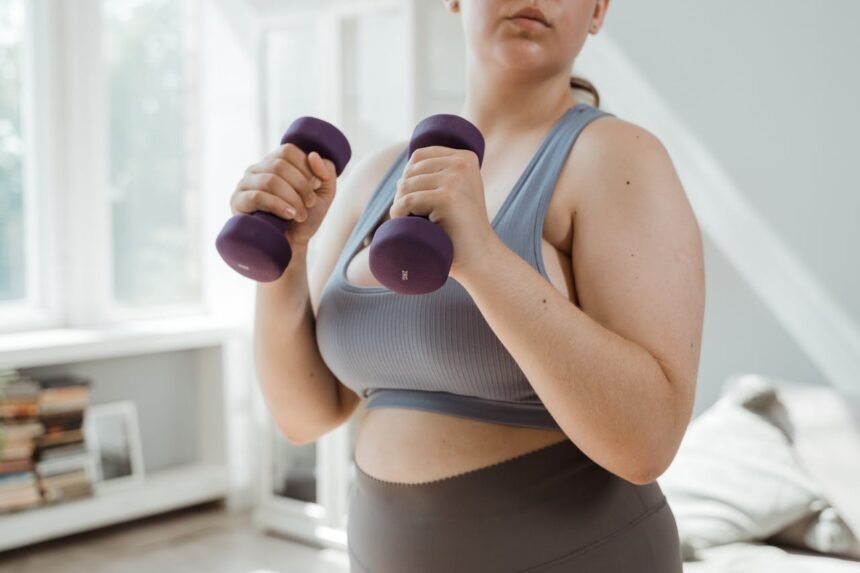
The journey to a stronger, healthier self doesn’t end when you rack the weights or finish your last rep. In fact, what you do after your workout is just as crucial as the workout itself. For those dedicated to their home gym, the convenience of training at your fingertips can often overshadow the importance of a structured recovery routine. Neglecting recovery can lead to plateaus, injuries, and demotivation, effectively undermining all your hard work. This guide delves into the essential home gym recovery tools and practices that will help you optimize muscle repair, reduce soreness, and enhance overall athletic performance. Embracing a comprehensive recovery strategy will transform your fitness journey, making your home gym a hub not just for training, but for holistic well-being.
Why Post-Workout Recovery is Non-Negotiable
When you exercise, especially intensely, you create microscopic tears in your muscle fibers. This isn’t a bad thing; it’s the natural process that triggers muscle adaptation and growth. However, without proper recovery, these micro-tears can lead to prolonged soreness, inflammation, and a higher risk of injury. Adequate recovery allows your body to repair damaged tissues, replenish energy stores, and adapt to the stress of training, making you stronger and more resilient. Understanding the science of muscle recovery is vital for long-term progress. As detailed by research published by the National Institutes of Health, proper recovery involves a complex interplay of physiological processes crucial for optimal adaptation.
Essential Home Gym Recovery Tools for Optimal Repair
Equipping your home gym with the right recovery tools can significantly accelerate your progress and improve your overall comfort. These tools aid in various aspects of recovery, from increasing blood flow to reducing muscle stiffness.
Foam Rollers and Self-Myofascial Release (SMR)
The foam roller is perhaps the most ubiquitous and effective tool for post workout recovery home. These cylindrical marvels apply pressure to specific muscle groups, helping to release tension, break up adhesions, and improve blood circulation. This process, known as self-myofascial release (SMR), mimics deep tissue massage. Incorporating a foam roller home workout routine can dramatically improve flexibility and reduce post-exercise soreness.
There are various types of foam rollers: smooth, textured (knobbed), and vibrating. Smooth rollers are ideal for beginners, offering even pressure. Textured rollers provide a deeper massage, targeting knots more effectively. Vibrating foam rollers add an extra dimension, using oscillation to further relax muscles and stimulate blood flow. Experts at Healthline emphasize their role in improving range of motion and reducing soreness.
Targeted Massage Tools for Deeper Relief
While foam rollers cover broad areas, targeted massage tools allow for more precise pressure on stubborn knots and trigger points. These are excellent additions to your home gym recovery tools arsenal:
- Massage Balls (Lacrosse Balls/Spiky Balls): Small, firm balls that can target smaller muscle groups like the glutes, hips, shoulders, and feet. They are excellent for digging into specific tight spots.
- Massage Sticks/Rollers: Handheld devices with rotating gears or balls that allow you to apply pressure to your back, quads, hamstrings, and calves without lying on the floor. They offer good control over intensity.
- Percussion Massage Guns: These high-tech devices deliver rapid, repetitive strokes (percussions) that penetrate deep into muscle tissue. They are highly effective for increasing blood flow, reducing muscle soreness, and improving mobility. Forbes Health highlights the numerous benefits of percussion therapy for recovery and performance.
These tools are invaluable for addressing specific areas that foam rollers might not adequately reach, offering more intense and localized relief.
Stretching Equipment for Home: Enhancing Flexibility
Flexibility is often an overlooked component of fitness, yet it’s critical for injury prevention and improving range of motion. Dedicated stretching equipment for home can make your flexibility routine more effective and enjoyable.
- Stretching Straps/Resistance Bands: These versatile tools assist in deepening stretches by providing leverage and support. They are excellent for hamstring stretches, hip flexor stretches, and shoulder mobility work, helping you reach positions you might not achieve unaided. The Mayo Clinic underscores the importance of consistent flexibility training.
- Yoga Blocks: Used to provide support and stability in various yoga poses and stretches. They help bring the floor closer to you, making certain stretches more accessible and allowing for deeper engagement.
- Pilates Rings/Circles: These provide resistance during stretching and strengthening exercises, particularly beneficial for inner thigh, core, and arm work. They can enhance both flexibility and stability.
Integrating these aids into a regular stretching regimen, whether it’s dynamic stretching before a workout or static stretching afterwards, will significantly contribute to your long-term joint health and muscle elasticity. Many find yoga for recovery to be particularly effective, and these tools can enhance that practice.
Cold and Heat Therapy Devices
Depending on the type of discomfort or injury, both cold and heat can be powerful recovery allies.
- Cold Packs/Ice Wraps: Ideal for reducing acute inflammation and numbing pain immediately after an intense workout or minor injury. Cold therapy constricts blood vessels, slowing blood flow to an injured area and minimizing swelling. Research from Medical News Today elaborates on its anti-inflammatory effects.
- Heating Pads/Heat Wraps: Best for chronic muscle stiffness, relaxation, and increasing blood flow to promote healing. Heat therapy dilates blood vessels, bringing more oxygen and nutrients to sore muscles, easing tension and promoting flexibility. The American Academy of Orthopaedic Surgeons often recommends heat for chronic pain.
Having both options readily available allows you to address different recovery needs promptly.
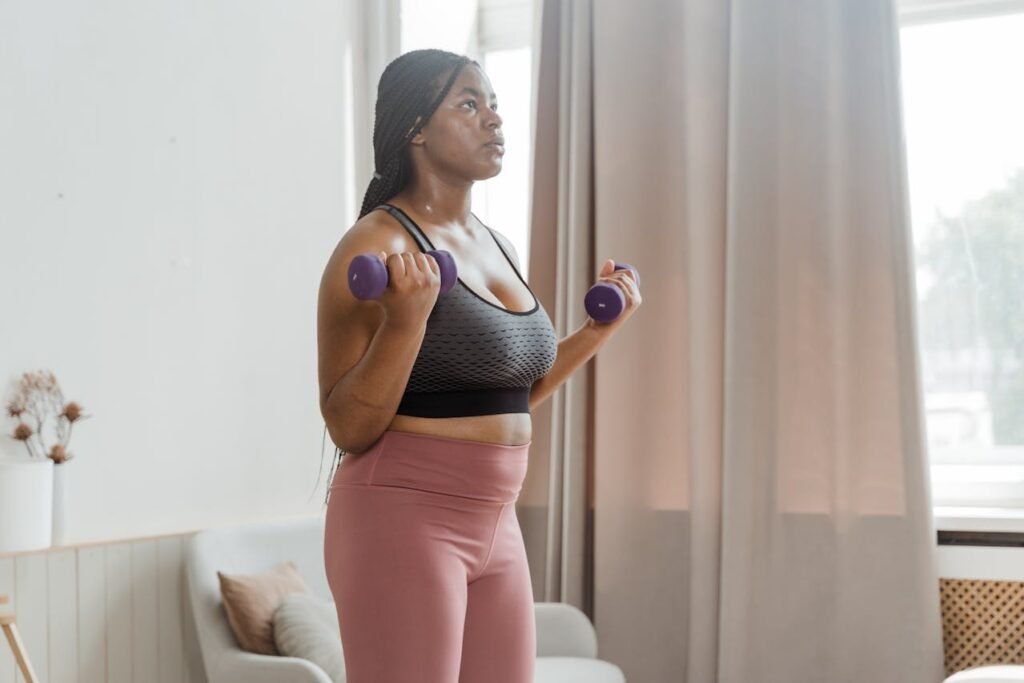
Comparison of Popular Recovery Tools
To help you decide which tools are best for your home gym, here’s a comparative look at some of the most popular options:
| Tool | Primary Function | Portability | Cost Range | Best For |
|---|---|---|---|---|
| Foam Roller | General muscle release, improving flexibility | Medium | $15 – $60 | Full-body SMR, large muscle groups, pre/post-workout warmup/cooldown |
| Massage Ball | Targeted deep tissue massage, trigger points | High | $5 – $25 | Glutes, hips, shoulders, feet, hard-to-reach knots |
| Percussion Massager | Deep muscle penetration, rapid soreness relief | Medium | $80 – $400+ | Intense soreness, athletic recovery, increasing blood flow rapidly |
| Stretching Strap | Assisting deeper stretches, increasing ROM | High | $10 – $30 | Hamstrings, hip flexors, shoulder mobility, assisted static stretching |
| Yoga Block | Support, stability, making poses accessible | Medium | $10 – $25 | Yoga, Pilates, improving balance, modifying stretches |
Integrating Recovery into Your Home Gym Routine
Effective post workout recovery home isn’t just about owning the tools; it’s about consistently using them. Develop a routine that fits your schedule. A 10-15 minute session with your foam roller or massage gun after your workout can make a significant difference. Dedicate separate time for longer stretching sessions or yoga practice a few times a week. Remember, recovery is a continuous process that extends beyond physical tools to include proper nutrition, hydration, and crucially, adequate sleep. The Sleep Foundation provides extensive research on how crucial sleep is for muscle repair and hormone regulation, making it an indispensable part of any recovery strategy.
Conclusion
Your home gym is an investment in your health, and true return on that investment comes from both diligent training and smart recovery. By incorporating essential home gym recovery tools like foam rollers, targeted massage devices, and stretching equipment for home, you equip yourself not just for better workouts, but for sustainable, injury-free progress. Don’t let your efforts be undone by neglected recovery. Embrace these practices, prioritize your body’s repair processes, and unlock a new level of performance and well-being. Going