
When the first sign of a scratchy throat appears or flu season headlines begin to circulate, the collective instinct is almost universal: load up on Vitamin C. While oranges and supplements have their place, relying solely on ascorbic acid is a one-dimensional strategy for a complex biological defense system. A truly resilient immune system requires a diverse portfolio of micronutrients, many of which are found in immune boosting foods overlooked by the general public.
To build a robust defense against pathogens, we must look beyond the citrus aisle. This article explores the science of immune health and highlights the potent, nutrient-dense foods that deserve a prime spot on your plate.
The Complexity of the Immune Defense
Your immune system is not a single entity; it is a vast, intricate network of cells, tissues, and organs that work in harmony to defend the body against attacks by “foreign” invaders. According to the Harvard T.H. Chan School of Public Health, malnutrition or a deficiency in specific micronutrients can impair immune function, making us more susceptible to infections.
While Vitamin C helps stimulate the production of white blood cells, other nutrients play equally critical roles. Zinc is essential for wound healing and cell reproduction, Vitamin E acts as a powerful antioxidant, and gut health is directly tied to immune regulation. By diversifying your diet, you provide the raw materials your body needs to manufacture antibodies and regulate inflammation.
1. The Zinc Heavyweights: Oysters and Shellfish
When discussing immune boosting foods overlooked by many, shellfish often falls to the bottom of the list, yet it is arguably the most potent source of Zinc available. Zinc is a trace mineral that our bodies do not store, meaning daily intake is vital.
The National Institutes of Health (NIH) highlights that Zinc helps the immune system fight off invading bacteria and viruses. A deficiency in Zinc can result in a direct reduction of T-cell function, the cells responsible for identifying and neutralizing pathogens.
- Oysters: Provide more zinc per serving than any other food.
- Crab and Lobster: Excellent secondary sources that also provide selenium.
2. The Gut Guardians: Fermented Foods
It is estimated that nearly 70% of the immune system resides in the gut. The microbiome—the trillions of bacteria living in your digestive tract—plays a pivotal role in training your immune system to distinguish between friend and foe.
Consuming probiotic-rich fermented foods helps maintain a healthy balance of gut flora. The Cleveland Clinic notes that a diverse microbiome is key to reduced inflammation and better immune responses.
Top Fermented Picks:
- Kefir: A cultured dairy product often containing more probiotic strains than yogurt.
- Sauerkraut and Kimchi: Fermented cabbage dishes that provide probiotics along with fiber.
- Miso: A fermented soybean paste rich in essential minerals.
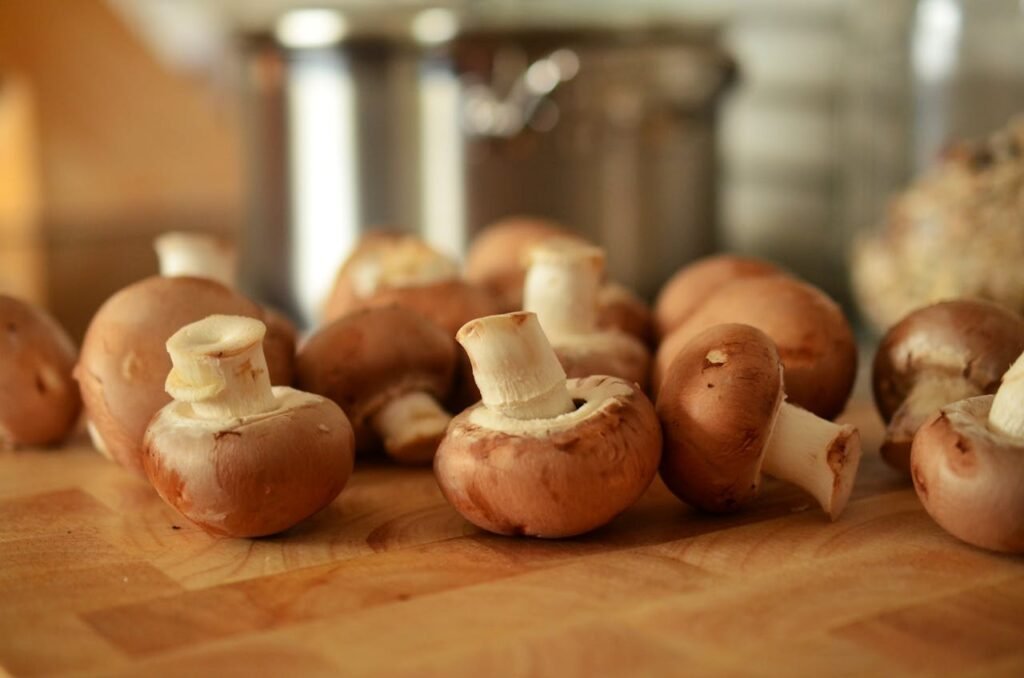
3. The Fungal Pharmacy: Medicinal Mushrooms
Mushrooms have been used in Eastern medicine for centuries, yet they remain one of the most significant immune boosting foods overlooked in Western diets. Varieties like Shiitake, Maitake, and Reishi are rich in beta-glucans.
Beta-glucans are sugars found in the cell walls of fungi that boost the immune system by activating complement cells and macrophages (the cells that “eat” bacteria). According to Memorial Sloan Kettering Cancer Center, compounds in Reishi mushrooms specifically have been shown to stimulate immune function and suppress tumor growth in preclinical studies.
4. The Antioxidant Powerhouse: Red Bell Peppers
If you think citrus fruits are the kings of Vitamin C, think again. Ounce for ounce, red bell peppers contain almost 3 times as much Vitamin C as a Florida orange. They are also a rich source of beta carotene.
According to the USDA FoodData Central, a medium-sized red bell pepper provides a massive dose of Vitamin C without the sugar content found in fruit juices. Beta carotene, which the body converts into Vitamin A, helps keep your eyes and skin healthy—your skin being the first line of defense against invasion.
Comparative Nutrient Profile for Immunity
The following table illustrates why diversifying your sources is superior to relying on a single supplement.
| Food Item | Primary Immune Nutrient | Secondary Benefits | Key Mechanism of Action |
|---|---|---|---|
| Red Bell Pepper | Vitamin C (High Concentration) | Beta Carotene | Enhances phagocytosis (cell eating) and skin barrier function. |
| Oysters | Zinc | Selenium | Critical for the development and function of immune cells. |
| Sunflower Seeds | Vitamin E | Magnesium | Protects cells from oxidative stress and free radical damage. |
| Garlic | Allicin | Sulfur Compounds | Slows down the hardening of arteries and fights bacteria. |
| Kefir | Probiotics | Calcium | Modulates the gut-associated lymphoid tissue (GALT). |
5. The Spice of Life: Garlic and Turmeric
Adding flavor to your food can also add years to your life. Garlic and turmeric are not just culinary staples; they are functional foods.
Garlic: Garlic contains allicin, a compound released when the clove is crushed or chewed. The National Center for Complementary and Integrative Health (NCCIH) recognizes garlic’s historical use for fighting infections. While modern studies are ongoing, garlic is widely accepted to have immune-enhancing properties that may reduce the severity of colds.
Turmeric: This bright yellow spice contains curcumin, which shows promise as an immune booster and an antiviral. However, curcumin is poorly absorbed on its own. It is best consumed with black pepper, which significantly enhances absorption.
6. The Vitamin E Shield: Almonds and Sunflower Seeds
Vitamin C often overshadows Vitamin E, but the latter is crucial for a healthy immune system. Vitamin E is a fat-soluble vitamin, meaning it requires the presence of fat to be absorbed properly. Nuts and seeds provide the perfect package: the vitamin and the healthy fats needed to absorb it.
The Office of Dietary Supplements (ODS) states that Vitamin E is found in higher concentrations in immune cells than other cells in the blood and is one of the most effective nutrients known to modulate immune function.
- Sunflower Seeds: A quarter-cup serving provides nearly half of the daily recommended amount of Vitamin E.
- Almonds: A convenient snack that packs a powerful antioxidant punch.
7. Hydration with Benefits: Green Tea
While water is essential, green tea offers hydration coupled with high levels of flavonoids. Specifically, green tea is rich in epigallocatechin gallate (EGCG), a powerful antioxidant.
Unlike black tea, which is fermented and loses some of its EGCG, green tea is steamed, preserving these immune-boosting compounds. Research published in the National Library of Medicine suggests that catechins in green tea may prevent the replication of influenza viruses.
Conclusion: A Symphony, Not a Solo
No single food is a magic bullet. Eating a bushel of oranges or swallowing zinc tablets by the handful will not render you invincible. The true secret to immunity lies in synergy. By incorporating these immune boosting foods overlooked by the masses—fermented foods, fungi, zinc-rich shellfish, and potent spices—you create a biological environment where your immune system can thrive.
As the World Health Organization (WHO) advises, a healthy diet is the foundation of disease prevention. Before the next cold season strikes, take a walk down the produce and seafood aisles, and give your body the diverse toolkit it needs to fight back.
Disclaimer: This article is for informational purposes only and does not constitute medical advice. Always consult with a healthcare professional or a registered dietitian before making drastic changes to your diet.