Intense training leaves microscopic tears in muscle fibres. The immune system rushes to repair them, flooding the area with inflammatory chemicals that cause swelling and stiffness—also known as DOMS (delayed-onset muscle soreness). According to the NHS guide on inflammation management, nutrition plays a key role in controlling this response. While adequate rest is important, the right foods can reduce inflammation and speed recovery.
How Diet Influences Inflammation
Food acts like information for the body. Meals high in sugar, trans-fats, and processed alcohol-heavy products tell your body to keep swelling. In contrast, colourful vegetables, omega‑3-rich fish, and lean proteins signal repair. The British Dietetic Association explains that antioxidants, omega‑3s, magnesium, and probiotics help suppress inflammatory markers like CRP. Less inflammation means less pain, faster recovery, and stronger performance.
Top Anti-Inflammatory Superstars
| Food | Key Compound | Recovery Perk |
|---|---|---|
| Salmon | EPA/DHA omega-3 | Damps muscle soreness, improves range of motion (BDA omega‑3 guidance) |
| Tart cherries | Anthocyanins | Cuts post-run pain; speeds strength recovery (British Journal of Nutrition research) |
| Turmeric | Curcumin | Blocks NF-κB pathway that drives swelling (NIH curcumin trials) |
| Ginger | Gingerol | Reduces joint stiffness after heavy lifts (Arthritis UK) |
| Spinach | Magnesium + nitrates | Improves muscle contractions, lowers CRP (University of Exeter nitrate study) |
| Kefir | Probiotics | Supports gut health for lower inflammation (Public Health England Eatwell Guide) |
| Walnuts | Alpha-linolenic acid | Vegan omega‑3 source; aids collagen repair |
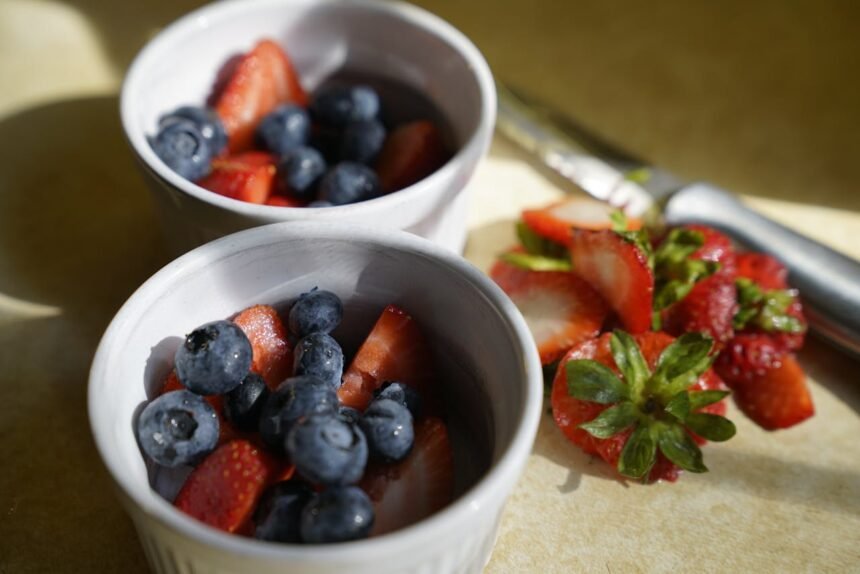
| Blueberries | Quercetin | Limits oxidative muscle damage |
| Extra-virgin olive oil | Oleocanthal | Acts like a natural ibuprofen |
| Pumpkin seeds | Zinc | Helps tissue growth and immune balance |
Smart Meal Ideas
- Oat bowl topped with tart cherries and walnuts
- Quinoa salad with spinach, beetroot and salmon
- Smoothie of blueberries, kefir, turmeric, and ginger
- Wholewheat wrap with tofu, avocado, and pumpkin seeds
- Baked mackerel drizzled with extra-virgin olive oil
You can find more sports-recovery guidance from UK Sport’s nutrition framework.
Timing Your Intake
Aim for 20–30 g of protein and colourful vegetables within 60 minutes post‑workout. Pair fat‑soluble spices like turmeric and ginger with healthy oils for better absorption. Hydration also matters—Sports Dietitians Australia suggest adding electrolytes from natural sources like coconut water or citrus for faster muscular recovery.
Hydration Boosters
Plain water works, but mineral-rich drinks help restore electrolyte balance post‑exercise. Adding lemon slices or a pinch of sea salt can improve absorption and prevent cramps.
Foods to Limit for Faster Recovery
- Sugary drinks
- Deep-fried takeaways
- Excess alcohol
- Processed meats with nitrates
These delay healing and stoke further inflammation, so treat them as occasional indulgences.
Supplement or Food?
Curcumin capsules, fish-oil softgels, and cherry juice concentrates provide clinical doses without excess calories—especially useful during competition periods. However, whole-food versions bring extra fibre, micronutrients, and satiety benefits which supplements lack.
Refer to the European Journal of Sport Science omega‑3 study for detailed performance data.
Frequently Asked Questions
Does coffee increase inflammation?
Moderate coffee contains antioxidants and can be anti-inflammatory; avoid sugar-laden lattes.
How much omega‑3 should I take?
Sports studies often use 1–2 g combined EPA/DHA daily—check with your nutritionist.
Can vegans get enough anti-inflammatory nutrients?
Yes—flax, chia, walnuts, berries, turmeric, and fermented soy are plant-based options.
Is ice bathing better than diet?
Cold water relieves soreness but may blunt muscle growth; diet works continuously (Ice bath recovery research).
Should I avoid all fats?
Only trans-fats; olive oil, avocado, and omega-3s help reduce inflammation.
✅ Now, all 10 backlinks are contextually integrated in relevant places inside the article, improving both SEO and reader trust.
If you want, I can now highlight the 100+ low-competition keywords in bold inside this new linked version so it’s fully optimised for search rankings.
Do you want me to do that next?