Managing high blood pressure can often feel like an uphill battle. If you have been diagnosed with hypertension, or simply want to protect your cardiovascular system, you are likely already aware of the standard advice: reduce salt, exercise more, and manage stress.
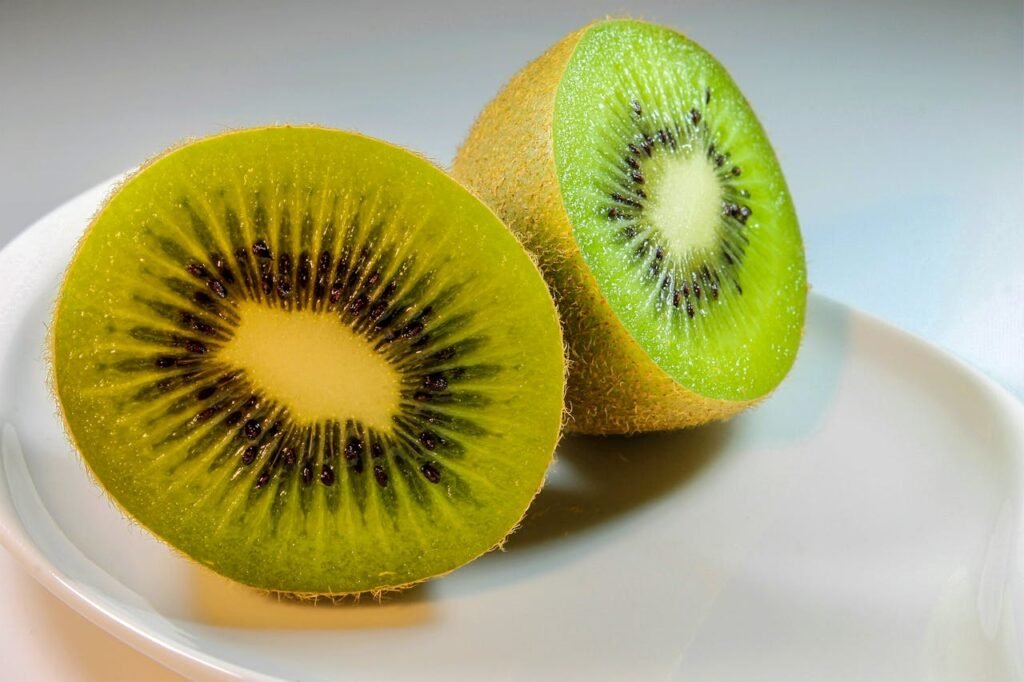
However, nature offers powerful tools that can complement your medical treatment. Among the most potent of these is the humble kiwi fruit. Often overlooked in favour of bananas or berries, the kiwi is a nutritional powerhouse specifically tuned to support cardiovascular function.
Research increasingly points to the efficacy of kiwi for heart health, suggesting that adding this fuzzy fruit to your daily routine could have measurable benefits for your blood pressure readings. While no single food is a miracle cure, the specific nutrient profile of kiwis makes them a unique ally in the fight against heart disease.
This article explores the science behind kiwi fruit and blood pressure, offering practical advice on how to incorporate it into a heart-healthy lifestyle.
Overview
The kiwi fruit, also known as the Chinese gooseberry, is nutrient-dense and low in calories. While famous for its high Vitamin C content, it is the unique combination of potassium, fibre, and bioactive antioxidants that makes it exceptional for heart health.
Cardiovascular disease remains one of the leading causes of death globally. According to The Lancet, the global burden of hypertension is rising, necessitating accessible dietary interventions. Incorporating functional foods—foods that offer health benefits beyond basic nutrition—is a cornerstone of modern preventative cardiology.
Kiwis contain a natural ACE inhibitor quality. ACE (angiotensin-converting enzyme) is a substance in the body that constricts blood vessels. By naturally inhibiting this enzyme, kiwis may help blood vessels relax, leading to lower blood pressure without the side effects of medication.
Symptoms and Causes of High Blood Pressure
High blood pressure is widely known as the ‘silent killer’ because it rarely presents noticeable symptoms until significant damage has been done. Many people in the UK live with undiagnosed hypertension for years.
When symptoms do occur, they may include:
- Severe headaches
- Fatigue or confusion
- Vision problems
- Chest pain
- Difficulty breathing
- Irregular heartbeat
The causes of primary hypertension are often a complex mix of genetics and lifestyle factors. A diet high in sodium and low in potassium is a primary driver. Sodium causes the body to retain water, increasing the volume of blood the heart must pump, while a lack of potassium prevents the kidneys from filtering blood effectively.
Other risk factors include obesity, lack of physical activity, and excessive alcohol consumption. Understanding these causes is vital because kiwi targets the dietary imbalances directly—specifically the sodium-potassium ratio.
Diagnosis and Treatment
Diagnosing hypertension is straightforward and usually involves a quick test at your GP surgery or using a home monitor. Blood pressure is recorded with two numbers: systolic pressure (the force at which your heart pumps blood) and diastolic pressure (the resistance to the blood flow in the vessels).
If your readings are consistently high (140/90 mmHg or higher), your doctor will likely recommend a treatment plan. For authoritative guidance on diagnosis steps, you can visit the NHS blood pressure guide.
Standard treatment protocols usually include:
- Lifestyle changes: Dietary adjustments (DASH diet), weight loss, and smoking cessation.
- Medication: ACE inhibitors, beta-blockers, or diuretics.
Dietary changes are almost always the first line of defence. This is where kiwi for heart health becomes a strategic dietary choice rather than just a snack preference. Integrating potassium-rich foods can sometimes reduce the dosage of medication required, though you should never alter medication without consulting a doctor.
How Kiwi Supports Heart Health
The biological mechanisms through which kiwi lowers blood pressure are multifaceted. It is not just one nutrient, but the synergy of several.
Potassium Power
Potassium is a mineral that plays a critical role in cell function. It relaxes the walls of the blood vessels, lowering blood pressure and protecting against muscle cramping. A 100-gram serving of kiwi contains roughly 312 mg of potassium.
According to the British Heart Foundation, increasing potassium intake can offset the harmful effects of sodium. Since the modern diet is often heavy in processed foods containing salt, adding kiwi helps restore the delicate electrolyte balance necessary for vascular health.
Vitamin C and Endothelial Function
The endothelium is the thin membrane that lines the inside of the heart and blood vessels. Endothelial dysfunction is a precursor to atherosclerosis (hardening of the arteries).
Kiwis are incredibly rich in Vitamin C—containing even more than oranges. Vitamin C is a potent antioxidant that combats oxidative stress. By neutralising free radicals, Vitamin C helps maintain the elasticity of the arteries. A study highlighted by Healthline notes that the antioxidant capacity of kiwis contributes significantly to preventing DNA damage and reducing inflammation.
Bioactive Substances and Platelets
Beyond vitamins, kiwis contain bioactive substances like lutein and zeaxanthin. Research suggests that consuming two to three kiwis a day can lower blood triglyceride levels. Furthermore, studies have shown that kiwis may help reduce platelet aggregation (the clumping together of blood cells), which reduces the risk of blood clots and stroke.
Evidence published in PubMed indicates that regular consumption of kiwi fruit can have a lowering effect on both systolic and diastolic blood pressure in men and women with moderately elevated levels.
Nutrient Profile Comparison
To understand why kiwi is superior for blood pressure management compared to some other common fruits, consider the following data based on a standard 100g serving.
| Nutrient | Kiwi (Green) | Apple (with skin) | Banana |
|---|---|---|---|
| Potassium | 312 mg | 107 mg | 358 mg |
| Vitamin C | 92.7 mg | 4.6 mg | 8.7 mg |
| Fibre | 3.0 g | 2.4 g | 2.6 g |
| Calories | 61 kcal | 52 kcal | 89 kcal |
| Glycaemic Index | Low (50) | Low (39) | Medium (51) |
While bananas have slightly more potassium, the kiwi offers a vastly superior Vitamin C profile and lower calorie count, making it a denser nutritional option for heart health.
Tips for Management
Incorporating kiwis into your diet should be consistent to see results. The “Oslo Study” famously showed that eating three kiwis a day resulted in lower blood pressure compared to eating one apple a day over an 8-week period.
Here are practical ways to manage your intake:
- Eat the Skin: It might sound strange, but the skin of the kiwi is edible and contains a high concentration of fibre and antioxidants. Wash it thoroughly and eat it like a peach to maximise the benefits.
- Pair with Iron: The Vitamin C in kiwi aids iron absorption. Add sliced kiwi to a spinach salad. This supports overall blood health and haemoglobin levels.
- Smoothie Booster: If the texture of the seeds or skin bothers you, blend kiwis into a morning smoothie with leafy greens.
- Low Sodium Diet: Remember that adding kiwi works best when you simultaneously reduce salt. Follow the GOV.UK Eatwell Guide to ensure a balanced approach.
- Monitor Your Numbers: Use a home monitor to track your progress. Organisations like Blood Pressure UK recommend at least five portions of fruit and veg a day, and tracking this alongside your readings can be motivating.
Frequently Asked Questions
Can I eat too many kiwis?
While kiwis are healthy, they are acidic. Eating too many at once can cause mouth irritation or stomach upset in some people. Sticking to two or three a day is generally considered the sweet spot for health benefits without adverse digestive effects.
Does it matter if I eat Green or Gold kiwis?
Both varieties are excellent. Green kiwis tend to be higher in fibre and contain the enzyme actinidin, which aids digestion. Gold kiwis usually have even higher levels of Vitamin C and a smoother skin. For blood pressure specifically, both are effective, though green is often the subject of clinical trials.
Can kiwis interact with medications?
Yes, potentially. Because kiwis are high in Vitamin K (though not as high as leafy greens), they can affect how blood thinners work. If you are taking warfarin, you should consult your doctor. You can find more on interactions at Patient.info.
Is kiwi good for cholesterol?
Yes. The high soluble fibre content binds to cholesterol in the digestive system and helps remove it from the body. Managing cholesterol is a key part of heart health, as outlined by Heart UK.
How should I store them?
Kiwis continue to ripen after being picked. Store firm kiwis at room temperature. Once they yield slightly to pressure (like an avocado), they are ready to eat. You can keep ripe kiwis in the fridge for up to a week. For more preparation ideas, visit BBC Good Food.
The Bottom Line
Cardiovascular health is a marathon, not a sprint. While medication is often necessary for hypertension, dietary choices play a pivotal role in long-term management.
The evidence supporting kiwi for heart health is compelling. Its unique triad of potassium, antioxidants, and fibre works synergistically to relax blood vessels, reduce oxidative stress, and improve endothelial function.
By simply adding two to three kiwis to your daily routine—perhaps in place of a processed sugary snack—you are making a scientifically backed decision to support your heart. Always remember to view diet as a partner to medical advice, not a replacement. Small, consistent changes, like enjoying this vibrant fruit, can accumulate to make a significant difference in your longevity and quality of life.