Heart disease remains the leading cause of death in the UK, with high cholesterol affecting millions of adults. Whilst medication plays a crucial role in managing cholesterol levels, dietary modifications can significantly reduce cardiovascular risk and support overall heart health. Understanding which foods naturally lower cholesterol empowers individuals to take proactive steps towards better cardiovascular wellness.
Understanding Cholesterol and Heart Health
Cholesterol, a waxy substance produced by the liver, serves essential functions in hormone production and cell membrane maintenance. However, elevated levels of low-density lipoprotein (LDL) cholesterol increase the risk of atherosclerosis, where plaque builds up in arteries, potentially leading to heart attacks and strokes.
The British Heart Foundation (https://www.bhf.org.uk/informationsupport/heart-matters-magazine/nutrition) emphasises that dietary choices significantly impact cholesterol levels. Unlike dietary cholesterol, which has minimal effect on blood cholesterol for most people, saturated and trans fats directly influence LDL production.
Target cholesterol levels according to NHS guidelines (https://www.nhs.uk/conditions/high-cholesterol/how-to-lower-your-cholesterol/) include:
- Total cholesterol: Less than 5mmol/L
- LDL cholesterol: Less than 3mmol/L
- HDL cholesterol: Above 1mmol/L for men, 1.2mmol/L for women
Foods That Actively Lower Cholesterol
Soluble Fibre-Rich Foods
Soluble fibre binds to cholesterol in the digestive system, preventing absorption and promoting excretion. This mechanism can reduce LDL cholesterol by 5-10% when consuming 5-15 grams of soluble fibre daily.
Oats and Barley: Beta-glucan, a specific type of soluble fibre in oats and barley, effectively reduces cholesterol absorption. Start your day with porridge topped with berries and nuts for optimal heart benefits.
Legumes: Beans, lentils, and chickpeas provide substantial soluble fibre alongside plant-based protein. Include legumes in soups, salads, or as meat substitutes in traditional dishes.
Apples and Citrus Fruits: Pectin in apples and citrus fruits offers cholesterol-lowering benefits. The saying “an apple a day keeps the doctor away” holds particular truth for heart health.
Nuts and Seeds
Regular nut consumption demonstrates consistent cholesterol-lowering effects in clinical studies. Almonds, walnuts, and pistachios are particularly beneficial due to their healthy fat profiles and plant sterols.
Almonds: Rich in monounsaturated fats and vitamin E, almonds can reduce LDL cholesterol by up to 5% when consumed regularly. A handful (30g) daily provides optimal benefits without excessive calories.
Walnuts: Omega-3 fatty acids in walnuts support heart health through multiple mechanisms, including cholesterol reduction and anti-inflammatory effects.
Flaxseeds and Chia Seeds: These tiny seeds pack powerful cholesterol-fighting compounds, including omega-3s and lignans. Ground flaxseeds are more easily absorbed than whole seeds.
Fatty Fish and Omega-3 Sources
Whilst omega-3 fatty acids don’t directly lower LDL cholesterol, they significantly improve overall cardiovascular health by reducing triglycerides, inflammation, and blood pressure.
Salmon, Mackerel, and Sardines: These oily fish provide EPA and DHA, the most beneficial omega-3 forms. The NHS recommends (https://www.nhs.uk/live-well/eat-well/food-types/fish-and-shellfish-nutrition/) consuming fish twice weekly, with one portion being oily fish.
Herring and Anchovies: Often overlooked, these fish offer excellent omega-3 content and are typically more affordable than salmon.
Plant Sterols and Stanols
Plant sterols and stanols, naturally occurring compounds in plants, compete with cholesterol for absorption in the intestines, effectively reducing cholesterol uptake.
Fortified Foods: Many margarine spreads, yoghurts, and breakfast cereals are fortified with plant sterols. Consuming 2-3 grams daily can reduce LDL cholesterol by 6-15%.
Natural Sources: Vegetable oils, nuts, seeds, and whole grains contain plant sterols naturally, though in smaller quantities than fortified products.
Soya Products
Soya foods contain compounds that may help lower cholesterol whilst providing high-quality protein. The evidence suggests modest but consistent cholesterol-lowering effects.
Tofu and Tempeh: These whole soya products offer protein and isoflavones that support heart health. Replace meat with tofu in stir-fries or add tempeh to salads.
Soya Milk: Unsweetened soya milk provides protein and may contribute to cholesterol reduction when replacing dairy milk high in saturated fat.
Foods to Limit or Avoid
Saturated Fat Sources
The British Nutrition Foundation (https://www.nutrition.org.uk/putting-it-into-practice/eating-well/) recommends limiting saturated fat to no more than 20g daily for women and 30g for men to support healthy cholesterol levels.
Red Meat and Processed Meats: Choose lean cuts and limit portion sizes. Replace some meat meals with plant-based alternatives or fish.
Full-Fat Dairy: Whilst dairy provides calcium and protein, full-fat versions contribute significant saturated fat. Choose low-fat alternatives when possible.
Tropical Oils: Coconut oil and palm oil, despite being plant-based, contain high levels of saturated fat that can raise cholesterol.
Trans Fats
Trans fats raise LDL cholesterol whilst lowering beneficial HDL cholesterol, making them particularly harmful for heart health.
Processed Foods: Check labels for “partially hydrogenated oils” and avoid products containing trans fats. Many manufacturers have eliminated trans fats, but vigilance remains important.
Refined Carbohydrates and Added Sugars
Excessive sugar intake can raise triglycerides and contribute to weight gain, indirectly affecting cholesterol levels.
Meal Planning for Heart Health
Daily Meal Structure
Breakfast: Start with oat-based porridge topped with berries and chopped nuts. This combination provides soluble fibre, antioxidants, and healthy fats.
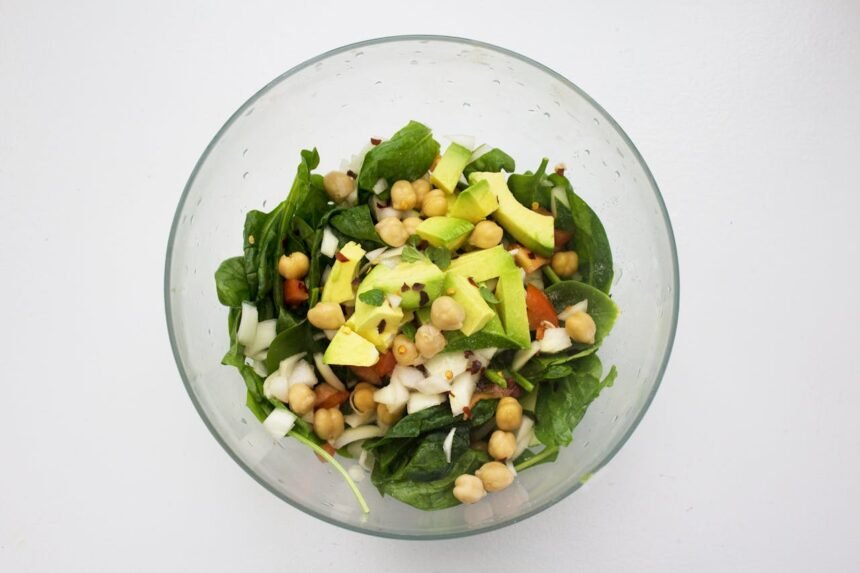
Lunch: Build salads around legumes, add avocado for monounsaturated fats, and include a variety of colourful vegetables for antioxidants.
Dinner: Centre meals around fatty fish twice weekly, with other dinners featuring lean proteins, plenty of vegetables, and whole grains.
Snacks: Choose nuts, seeds, fruit, or vegetables with hummus to maintain steady blood sugar whilst supporting heart health.
Cooking Methods
Preparation methods significantly impact the heart-healthiness of foods:
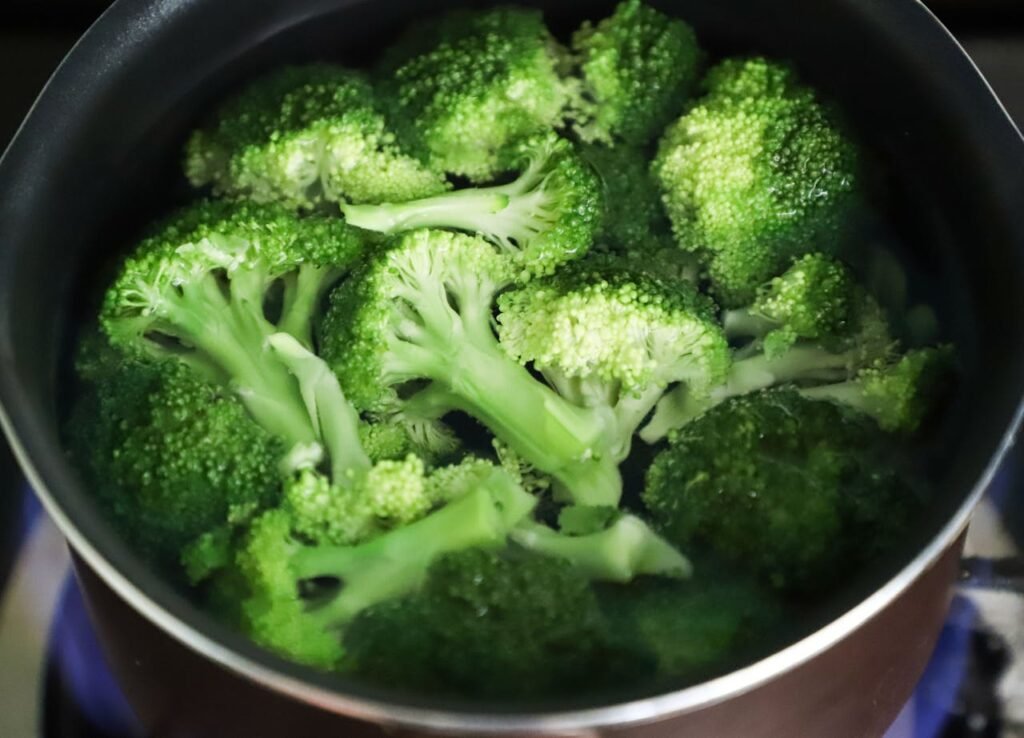
Grilling, Baking, and Steaming: These methods preserve nutrients without adding unhealthy fats.
Healthy Oil Usage: Use olive oil for cooking at moderate temperatures and walnut or flaxseed oil for dressings.
Herb and Spice Enhancement: Reduce reliance on salt by using herbs and spices that may offer additional cardiovascular benefits.
Lifestyle Factors Supporting Heart Health
Physical Activity
Regular exercise raises HDL cholesterol whilst improving overall cardiovascular fitness. The British Heart Foundation recommends 150 minutes of moderate activity weekly.
Weight Management
Maintaining healthy weight supports optimal cholesterol levels. Even modest weight loss can improve cholesterol profiles significantly.
Smoking Cessation
Smoking damages blood vessels and lowers HDL cholesterol. Quitting smoking provides immediate and long-term cardiovascular benefits.
Stress Management
Chronic stress may contribute to elevated cholesterol through various mechanisms. Incorporate stress-reduction techniques like meditation, yoga, or regular physical activity.
Monitoring and Professional Support
Regular Testing
Monitor cholesterol levels through routine blood tests, typically every 5 years for healthy adults or more frequently if levels are elevated or other risk factors are present.
Working with Healthcare Professionals
Collaborate with GPs, practice nurses, or registered dietitians to develop personalised approaches to cholesterol management. Some individuals may require medication alongside dietary changes.
Gradual Implementation
Implement dietary changes gradually rather than attempting complete overhauls immediately. This approach supports long-term adherence and sustainable results.
Understanding Food Labels
Cholesterol Content Claims
Foods labelled “cholesterol-free” may still negatively impact blood cholesterol if high in saturated or trans fats. Focus on overall fat quality rather than cholesterol content alone.
Heart Health Claims
Look for foods with verified heart health claims, such as those approved by Heart UK or carrying the British Heart Foundation’s heart mark.
Special Considerations
Medication Interactions
Some cholesterol-lowering foods may interact with medications. Consult healthcare providers before making significant dietary changes, particularly if taking prescribed medications.
Individual Variations
Cholesterol response to dietary changes varies between individuals. Some people are more sensitive to dietary cholesterol, whilst others respond better to specific interventions.
Long-Term Commitment
Cholesterol-lowering effects require consistent, long-term dietary patterns rather than short-term interventions. Focus on creating sustainable eating habits.
Conclusion
Lowering cholesterol through diet requires a comprehensive approach emphasising soluble fibre, healthy fats, and nutrient-dense whole foods whilst limiting saturated and trans fats. By incorporating oats, legumes, nuts, fatty fish, and plenty of fruits and vegetables, individuals can significantly impact their cholesterol levels naturally.
Success depends on consistency, patience, and viewing dietary changes as permanent lifestyle modifications rather than temporary restrictions. Combined with regular physical activity, weight management, and professional healthcare support, dietary interventions provide powerful tools for supporting cardiovascular health and reducing heart disease risk.
Remember that whilst dietary changes can significantly impact cholesterol levels, some individuals may still require medication to achieve target levels. Work with healthcare professionals to develop comprehensive approaches that combine the best of nutritional and medical interventions for optimal heart health outcomes.