
Have you ever walked into a room and immediately forgotten why you entered? Or perhaps you have struggled to focus during a mid-afternoon meeting? While it is easy to blame these moments on lack of sleep or stress, the fuel you provide your body plays a pivotal role in cognitive function. The human brain is nearly 60% fat, and the specific types of fats you consume can dictate everything from your memory retention to your mood stability.
Enter Omega-3 fatty acids: the building blocks of a healthy brain. Incorporating omega-3 rich foods for brain health into your daily diet is not just a wellness trend; it is a scientifically backed strategy to maintain neuroplasticity and fight cognitive decline. In this guide, we will explore the essential dietary sources of these powerful nutrients and how they can revolutionize your mental clarity.
The Science: Why Your Brain Craves Omega-3s
Before diving into the menu, it is crucial to understand the mechanism. Omega-3 fatty acids are polyunsaturated fats that the body cannot produce on its own. There are three main types:
- EPA (Eicosapentaenoic acid): Primarily supports emotional regulation and reduces inflammation.
- DHA (Docosahexaenoic acid): The most abundant omega-3 in the brain, critical for structure and function.
- ALA (Alpha-linolenic acid): Found in plants, which the body converts into EPA and DHA (though inefficiently).
According to the National Institutes of Health (NIH), higher intakes of these fatty acids are linked to better health outcomes. DHA, in particular, is vital for preserving the health of cell membranes, facilitating communication between brain cells. Without sufficient intake, these membranes become rigid, slowing down neurotransmission and leading to “brain fog.”
The Gold Standard: Marine Sources of Omega-3s
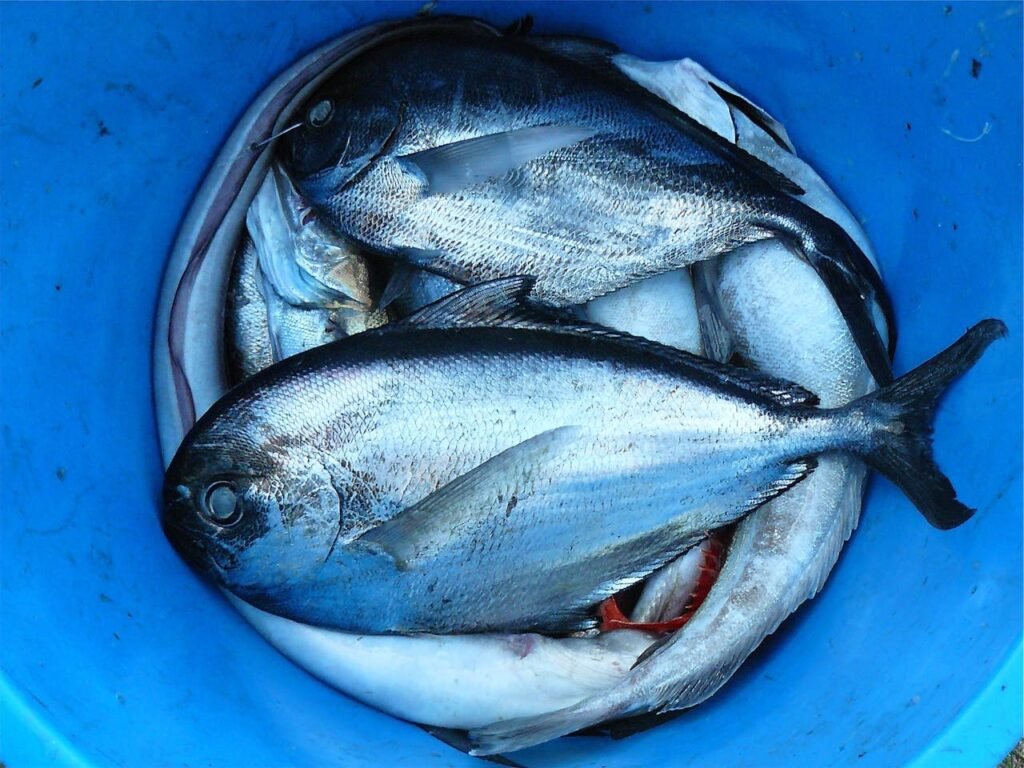
When looking for the most potent omega-3 rich foods for brain health, cold-water fatty fish are the undisputed champions. They provide preformed DHA and EPA, which the body can utilize immediately.
1. Wild-Caught Salmon
Salmon is widely considered a nutritional powerhouse. Beyond its high protein content, a 3-ounce serving can provide over 1,500 mg of Omega-3s. Experts at the Cleveland Clinic suggest opting for wild-caught varieties when possible to maximize nutrient density and minimize exposure to contaminants found in some farming environments.
2. Mackerel
Small but mighty, mackerel is incredibly rich in nutrients. A small fillet can provide nearly double the daily recommended intake of Omega-3s. However, because mackerel are predatory fish, it is important to choose smaller species (like North Atlantic mackerel) to avoid high mercury levels, as noted by the FDA’s advice on fish consumption.
3. Sardines and Anchovies
Often overlooked, these forage fish are among the cleanest and most sustainable sources of fatty acids. Because they sit low on the food chain, they contain fewer toxins. They are also packed with Vitamin D, which research from PubMed Central indicates works synergistically with Omega-3s to support mood and cognitive function.
Plant-Based Powerhouses (ALA)
For vegetarians and vegans, the quest for omega-3 rich foods for brain health centers on ALA. While the conversion rate of ALA to the active DHA/EPA forms is low (often less than 15%), these foods are still vital for reducing overall systemic inflammation.
4. Walnuts
It is often said that nature leaves clues: the walnut kernel physically resembles a human brain. A study published in the American Journal of Clinical Nutrition found that regular walnut consumption is associated with better cognitive scores in older adults. They possess the highest antioxidant activity of any common nut.
5. Flaxseeds and Chia Seeds
These seeds are nutrient-dense additives for smoothies and oatmeal. Flaxseeds, specifically, need to be ground to allow the body to absorb the ALA; otherwise, they may pass through the digestive tract intact. The Mayo Clinic highlights flaxseed not just for brain health, but for its potential to lower cholesterol levels.
Nutritional Breakdown: Marine vs. Plant Sources
To help you plan your grocery list, here is a comparison of the Omega-3 content in these essential foods based on data from the USDA FoodData Central.
| Food Source | Serving Size | Omega-3 Content (Approx.) | Type | Primary Benefit |
|---|---|---|---|---|
| Mackerel | 3 oz (cooked) | 2,500 – 3,000 mg | EPA/DHA | High potency support |
| Salmon (Chinook) | 3 oz (cooked) | 1,500 – 2,000 mg | EPA/DHA | Neuroprotection & Heart health |
| Sardines | 3 oz (canned) | 1,000 – 1,500 mg | EPA/DHA | Low toxin, sustainability |
| Flaxseeds | 1 tbsp (ground) | 2,300 mg | ALA | Anti-inflammatory |
| Chia Seeds | 1 oz | 5,000 mg | ALA | Fiber & Brain Energy |
| Walnuts | 1 oz (approx 7) | 2,500 mg | ALA | Antioxidant protection |
Neuroprotection and Mental Health
The benefits of a diet high in omega-3 rich foods for brain health extend beyond memory; they are deeply tied to emotional well-being. The American Psychiatric Association has noted the potential of Omega-3s as an adjunctive treatment for mood disorders, including depression and anxiety.
Furthermore, long-term consumption is a key factor in neuroprotection against degenerative diseases. The Alzheimer’s Association lists a heart-healthy diet—one rich in fatty fish—as a significant factor in reducing the risk of dementia. The anti-inflammatory properties of EPA help dampen the chronic inflammation often observed in the brains of Alzheimer’s patients.
Optimizing Absorption: How to Eat for Your Brain
Simply eating the foods is half the battle; ensuring your body absorbs the nutrients is the other.
- Watch the Heat: Polyunsaturated fats are unstable at high temperatures. Avoid deep-frying your salmon, as this can oxidize the healthy fats. Baking, poaching, or steaming is preferred.
- Pair with Fat: If you are consuming plant sources like chia or leafy greens, ensure they are eaten with a dietary fat (like olive oil) to enhance absorption.
- Consistency is Key: The American Heart Association recommends eating fatty fish at least two times per week to maintain optimal levels of fatty acids in the blood.
Conclusion
Your brain is the command center of your entire life, managing everything from your heartbeat to your complex problem-solving abilities. It requires premium fuel to function at its peak. By integrating omega-3 rich foods for brain health—such as wild salmon, sardines, walnuts, and flaxseeds—into your diet, you are investing in your long-term cognitive asset.
Don’t wait for memory lapses to become a concern. Start today by adding a sprinkle of chia seeds to your yogurt or swapping your Friday steak for a mackerel fillet. Your future self will thank you for the clarity.
Disclaimer: Always consult with a healthcare provider or a registered dietitian before making drastic changes to your diet or starting new supplements, especially if you are on blood-thinning medication.
Ready to transform your health? Explore more about brain-boosting nutrition at Harvard Health Publishing or browse recipes at EatRight.org.