Maintaing strong, healthy bones is a priority that often goes overlooked until later in life, yet it remains one of the most critical aspects of long-term mobility and independence. While many of us immediately associate bone density with dairy products like milk and cheese, the plant kingdom offers powerful alternatives that are equally effective.
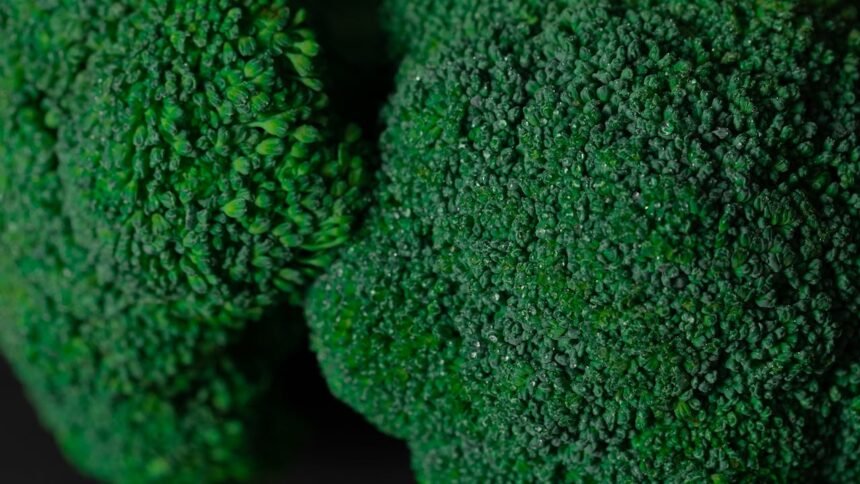
Broccoli, a cruciferous vegetable often pushed to the side of the plate, is actually a nutritional powerhouse specifically suited for skeletal support. It is not merely about one nutrient; rather, it is the unique synergy within this vegetable that makes it so potent.
For those looking to prevent conditions such as osteoporosis, understanding the role of diet is paramount. According to the NHS, diet plays a crucial role in preventing bone fragility as we age. Incorporating broccoli into your daily routine is a simple, effective strategy to bolster your body’s structural integrity.
This article explores the science behind broccoli for bone health, analysing the specific interplay between Vitamin K, calcium, and other trace minerals. We will also provide actionable tips on how to prepare it to maximise nutrient retention, ensuring you get the most out of every bite.
The Science: Why Broccoli Is a Bone Superfood
When we discuss bone health, the conversation usually starts and ends with calcium. While calcium is undeniably the building block of bone tissue, it requires a complex network of other nutrients to be effectively absorbed and utilised by the body. This is where broccoli excels.
Broccoli contains a highly bioavailable form of calcium. Unlike some other greens, such as spinach, which are high in oxalates that can block calcium absorption, broccoli is low in these inhibitors. This means your body can absorb the calcium present in broccoli much more efficiently.
However, the real secret weapon in broccoli is Vitamin K. This fat-soluble vitamin is essential for the activation of osteocalcin, a protein that helps anchor calcium into the bone matrix. Without adequate Vitamin K, calcium cannot effectively bind to bone, regardless of how much you consume.
Furthermore, recent research highlights the importance of Vitamin K in reducing fracture risk. A comprehensive review on Healthline notes that Vitamin K2, found in fermented foods and some vegetables, works synergistically with Vitamin K1, which is abundant in broccoli. This combination is vital for maintaining bone mineral density.
Additionally, broccoli is rich in magnesium and zinc. Magnesium contributes to the structural development of bone, while zinc is required for bone tissue renewal and mineralisation. The Royal Osteoporosis Society emphasises that a balanced intake of these trace minerals is just as important as calcium for overall skeletal strength.
Key Nutrients and Their Functions
To fully appreciate why you should prioritise broccoli, it helps to break down its nutritional profile. A single serving provides a substantial portion of your Reference Nutrient Intake (RNI) for several key vitamins.
Calcium
Calcium provides the structural strength to your skeleton. While dairy is the most common source, plant-based calcium from broccoli is vital for those who are lactose intolerant or vegan. The British Dietetic Association confirms that broccoli is a useful source of calcium for those avoiding dairy products.
Vitamin K
As mentioned, Vitamin K regulates calcium deposition. It acts as a traffic director, ensuring calcium goes to your bones rather than calcifying in your arteries. A standard serving of steamed broccoli can provide over 100% of your daily Vitamin K requirement.
Vitamin C
Surprisingly, broccoli has more Vitamin C than oranges. Vitamin C is essential for collagen formation. Collagen creates the soft framework of the bone that calcium hardens. Studies indexed on PubMed have shown that higher Vitamin C intake is associated with higher bone mass density in older populations.
Fibre and Gut Health
Emerging research suggests a link between gut health and bone density. The prebiotic fibre in broccoli feeds healthy gut bacteria, which can improve mineral absorption. Following the Eatwell Guide by including fibrous vegetables ensures your digestive system supports your skeletal system.
Optimal Preparation for Nutrient Retention
How you cook broccoli significantly impacts its nutritional value. Overcooking can destroy heat-sensitive vitamins like Vitamin C and leach minerals into the water.
Tips for preparing broccoli:
- Steaming: This is the gold standard. Steaming for 3-4 minutes retains the most Vitamin C and preserves the bright green colour.
- Microwaving: Surprisingly, microwaving with a small amount of water is highly effective at preserving nutrients due to the short cooking time.
- Roasting: While delicious, roasting at high heat for long periods may degrade some Vitamin K, though the fibre and mineral content remain largely stable.
- Avoid Boiling: Boiling broccoli in large amounts of water causes water-soluble vitamins (B and C) to leach out. If you must boil it, use the water for soups or sauces.
For culinary inspiration, you can explore various healthy methods on BBC Good Food, which offers recipes specifically designed to retain vegetable nutrient profiles.
Comparison: Broccoli vs. Other Calcium Sources
The following table compares the calcium and Vitamin K content of broccoli against other common foods. This helps visualise why diversification in your diet is necessary.
| Food Source (100g) | Calcium (mg) | Vitamin K (mcg) | Bioavailability | Notes |
|---|---|---|---|---|
| Broccoli (Steamed) | ~47 mg | ~141 mcg | High | Low oxalate; high Vitamin C. |
| Milk (Semi-skimmed) | ~120 mg | ~0 mcg | High | Lacks Vitamin K and fibre. |
| Spinach (Raw) | ~99 mg | ~483 mcg | Low | High oxalates block calcium. |
| Kale (Cooked) | ~150 mg | ~817 mcg | Medium-High | Excellent, but harder to digest for some. |
| Almonds | ~264 mg | ~0 mcg | Medium | High calorie density. |
Note: Values are approximate and can vary based on soil quality and preparation.
Frequently Asked Questions
Is cooked broccoli better than raw for bone health?
Generally, yes. While raw broccoli is nutritious, lightly cooking it (steaming) breaks down the tough cellular walls, making the calcium and carotenoids more available for your body to absorb. Additionally, cooking reduces potential goitrogens, which can impact thyroid function in very large amounts. However, eating a mix of both is perfectly healthy.
Can I eat broccoli if I am on blood thinners?
This is a critical consideration. Because broccoli is high in Vitamin K, it can interfere with blood-thinning medications like Warfarin. Suddenly increasing your intake can alter how the medication works. The British Heart Foundation advises keeping your Vitamin K intake consistent rather than avoiding it entirely. Always consult your GP before making significant dietary changes.
How much broccoli should I eat daily?
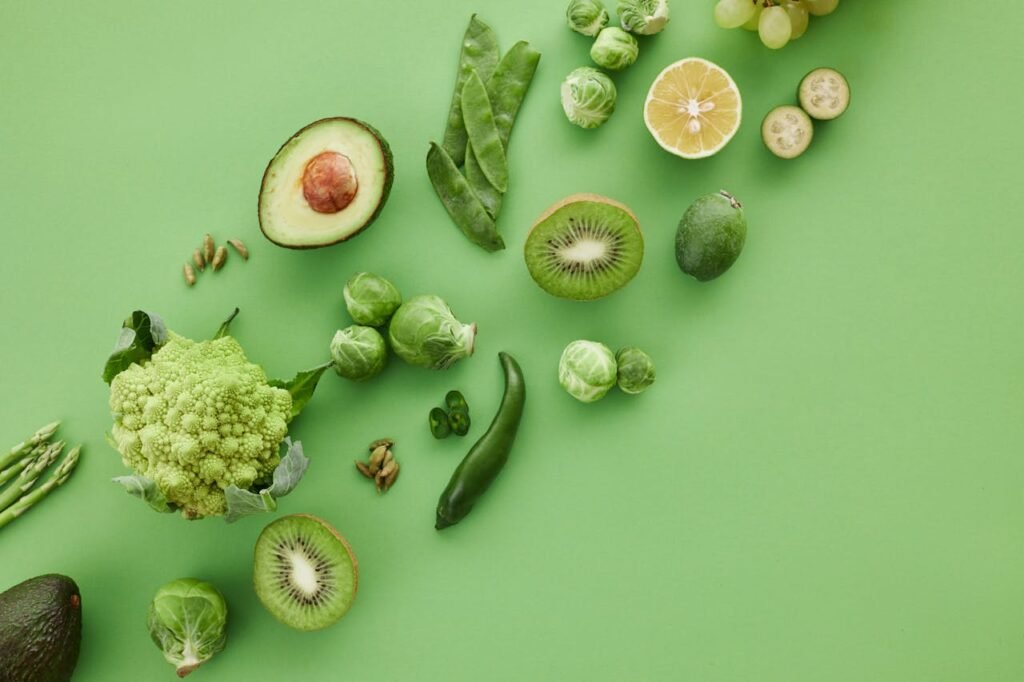
There is no specific upper limit, but a serving size of 80g counts as one of your “5 A Day.” Aiming for 3-4 servings of cruciferous vegetables a week is a solid strategy for bone maintenance. Variety is key, so alternate with cauliflower, kale, and Brussels sprouts.
Does broccoli stem contain nutrients?
Absolutely. The stems often contain as much, if not more, fibre and calcium than the florets. Do not discard them. You can peel the tough outer layer of the stem and slice the inner “heart” for a sweet, crunchy addition to stir-fries. This supports the sustainable eating practices championed by Nutrition.org.uk.
Is frozen broccoli as good as fresh?
Yes, and sometimes better. Frozen broccoli is usually flash-frozen immediately after harvest, locking in nutrients that might degrade during the transport of fresh vegetables. It is a convenient and cost-effective way to ensure you always have bone-healthy ingredients on hand, a tip supported by Versus Arthritis for maintaining a healthy diet with limited mobility.
The Bottom Line
Broccoli is far more than just a side dish; it is a vital component of a bone-healthy diet. Its unique combination of bioavailable calcium, Vitamin K, and collagen-boosting Vitamin C makes it a superior choice for supporting skeletal strength and preventing density loss.
To get the most benefit, aim to eat broccoli lightly steamed or roasted rather than boiled. Remember that bone health relies on a team of nutrients working together, so pairing broccoli with healthy fats (like olive oil) can further enhance the absorption of fat-soluble Vitamin K.
While dairy is a common go-to for calcium, incorporating broccoli for bone health ensures you are also receiving the essential phytonutrients and fibre that dairy lacks. By making this vegetable a regular part of your meals, you are investing in your long-term mobility and structural health.
Always speak with a healthcare professional before making drastic changes to your diet, especially if you have underlying health conditions or take medication. Prioritising a varied, balanced diet remains the best defence against ageing bones.