For many, the quest for glowing skin is a journey paved with trial and error. However, when you have reactive or sensitive skin, that journey can feel more like navigating a minefield. One wrong product, a sudden temperature change, or a harsh ingredient can lead to redness, stinging, and inflammation. If this sounds familiar, you are likely in need of a gentle skincare routine sensitive skin types can rely on—one that prioritizes barrier repair over aggressive exfoliation.
Building a regimen that soothes while it beautifies is not just about avoiding irritation; it is about understanding the biological mechanisms of your skin barrier and fortifying its defenses. In this comprehensive guide, we will explore the science of sensitivity, identify ingredients to embrace and avoid, and construct a step-by-step routine designed to help you soothe and glow.
Understanding the Science of Sensitive Skin
Before diving into products, it is crucial to understand what is happening beneath the surface. Sensitive skin is often characterized by a compromised stratum corneum, the outermost layer of the epidermis. This layer acts as a brick-and-mortar wall, keeping moisture in and irritants out. When this barrier is weakened, nerve endings become more exposed, triggering the sensations of burning or stinging.
According to the American Academy of Dermatology, sensitive skin isn’t a clinical diagnosis but rather a symptom of various factors, including genetics, environment, or underlying conditions like eczema or rosacea. Recognizing your specific triggers is the first step toward relief. For a deeper dive into the anatomy of the skin barrier, you can reference the biological structure of the Stratum corneum on Wikipedia.
The Ingredients Checklist: Friends vs. Foes
Navigating an ingredient label is arguably the most difficult part of curating a gentle skincare routine. Marketing terms like “hypoallergenic” are helpful, but they are not strictly regulated. Therefore, knowledge is your best defense.
Ingredients to Embrace
- Ceramides: These are lipids that help form the skin’s barrier and help skin retain moisture. They are essentially the “mortar” between your skin cells.
- Hyaluronic Acid: A powerful humectant that draws water into the skin without feeling heavy or greasy.
- Niacinamide (Vitamin B3): Known for its anti-inflammatory properties, it can help reduce redness and strengthen the barrier function. Research on PubMed highlights niacinamide’s efficacy in improving skin barrier function.
- Colloidal Oatmeal: An FDA-approved skin protectant that effectively soothes itching and irritation.
Ingredients to Avoid
- Fragrance and Essential Oils: According to the FDA, fragrances are among the most common allergens in cosmetic products.
- Alcohol (Denatured/SD Alcohol): These can strip the skin of natural oils, leading to dryness and irritation.
- Sulfates (SLS/SLES): Harsh foaming agents often found in cleansers that can disrupt the lipid barrier.
Data Table: Ingredient Safety Profile for Sensitive Skin
The following table breaks down common skincare components and their risk profile for reactive skin types.
| Ingredient Category | Safe Heroes (Look for these) | Risky Villains (Avoid these) | Primary Function |
|---|---|---|---|
| Cleansing Agents | Coco-glucoside, Glycerin | Sodium Lauryl Sulfate (SLS) | Removes dirt and oil |
| Moisturizers | Ceramides, Squalane, Shea Butter | Lanolin (allergen for some) | Hydration and barrier repair |
| Exfoliants | PHAs (Gluconolactone), Lactic Acid | Walnut shells, Apricot pits | Removes dead skin cells |
| Preservatives | Phenoxyethanol, Ethylhexylglycerin | Methylisothiazolinone, Parabens | Prevents bacterial growth |
| Active Treats | Centella Asiatica, Azelaic Acid | High % Retinols, Benzoyl Peroxide | Targets specific concerns |
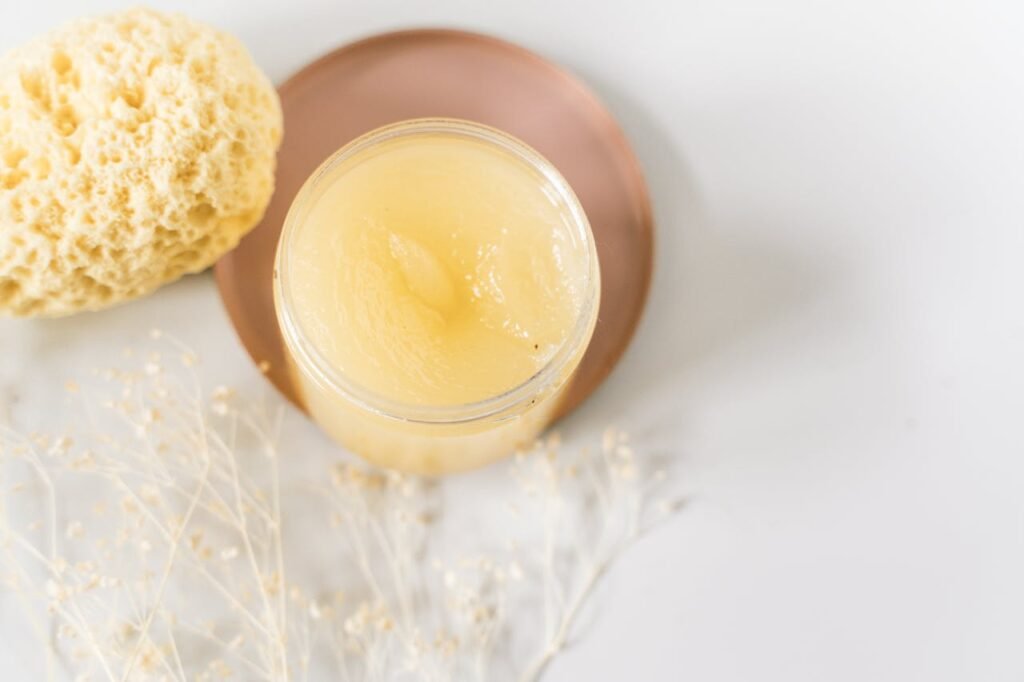
Step-by-Step: Your Gentle Skincare Routine for Sensitive Skin
A minimalist approach is often best. Layering too many products increases the likelihood of a negative reaction. Adhere to the “less is more” philosophy.
Step 1: The Low-pH Cleanser
Cleansing sets the tone for your entire routine. Avoid that “squeaky clean” feeling, which indicates your moisture barrier has been stripped. Opt for a creamy, non-foaming cleanser or a gentle oil cleanser. The Cleveland Clinic emphasizes washing with lukewarm water, as hot water can cause immediate vasodilation and redness.
Step 2: Soothing Toners (Optional)
Unlike the astringent toners of the past, modern toners for sensitive skin are designed to hydrate. Look for ingredients like thermal spring water or aloe vera. If a toner stings, remove it from your regimen immediately.
Step 3: Repairing Serums
This is where you treat specific concerns. If you suffer from redness, a serum containing Centella Asiatica (Tiger Grass) or Allantoin can be incredibly calming. Avoid high concentrations of Vitamin C (L-ascorbic acid) initially; instead, look for stabilized derivatives which are less acidic.
Step 4: Barrier-Building Moisturizer
Moisturizing is non-negotiable. You need a product that contains a mix of humectants (to draw water in), emollients (to smooth skin), and occlusives (to seal moisture). Harvard Health suggests that applying moisturizer to damp skin can significantly improve hydration retention.
Step 5: Sun Protection
For sensitive skin, the type of sunscreen matters immensely. Chemical sunscreens absorb UV rays and convert them into heat, which can exacerbate conditions like rosacea. Physical (Mineral) sunscreens containing Zinc Oxide or Titanium Dioxide sit on top of the skin and reflect UV rays, making them generally better tolerated. The Skin Cancer Foundation recommends broad-spectrum protection with an SPF of at least 30.
Lifestyle Factors and Environmental Triggers
Your gentle skincare routine for sensitive skin extends beyond the bathroom vanity. External and internal factors play a massive role in skin health.
- Diet and Hydration: While the link between diet and acne is debated, there is evidence that anti-inflammatory diets can help skin conditions. Staying hydrated is essential for overall health. The CDC provides guidelines on water intake which supports general cellular function.
- Stress Management: High cortisol levels (stress hormones) can trigger flare-ups of eczema and psoriasis. Managing stress through mindfulness or exercise is a valid skincare strategy. The Mayo Clinic details how stress affects the body, including the skin.
- Fabric Choices: Wool and synthetic fibers can be physical irritants. Opt for cotton or silk pillowcases to reduce friction while you sleep.
Managing Specific Conditions
Sometimes, sensitivity is a sign of a chronic condition. If your skin reacts violently to almost everything, it is vital to distinguish between “sensitive skin” and specific dermatological issues.
Eczema (Atopic Dermatitis)
This involves an intense itch-scratch cycle and a compromised barrier. Products with the National Eczema Association seal of acceptance are rigorously tested to be free of known irritants.
Rosacea
Rosacea is characterized by persistent redness and visible blood vessels. Triggers often include spicy food, alcohol, and extreme temperatures. The National Rosacea Society offers specific guidance on cosmetic ingredients that rosacea patients should avoid, such as peppermint and eucalyptus.
Contact Dermatitis
This is an allergic reaction to a specific substance. If you suspect this, patch testing by a professional is the only way to identify the culprit definitively. You can learn more about allergens from MedlinePlus.
Conclusion: Consistency Over Intensity
Building a gentle skincare routine for sensitive skin is a practice of patience. It takes time for a compromised skin barrier to repair itself—often 28 to 40 days, depending on your age and skin cycle. Resist the urge to scrub away flakes or overuse active ingredients.
Start with the basics: cleanse, moisturize, and protect. Once your skin feels calm and the redness subsides, you can slowly introduce new products one at a time, performing a patch test behind your ear before applying them to your face. Remember, healthy skin is not about perfection; it is about comfort and resilience.
Disclaimer: This article is for informational purposes only and does not constitute medical advice. If you are experiencing severe skin issues, please consult a board-certified dermatologist.