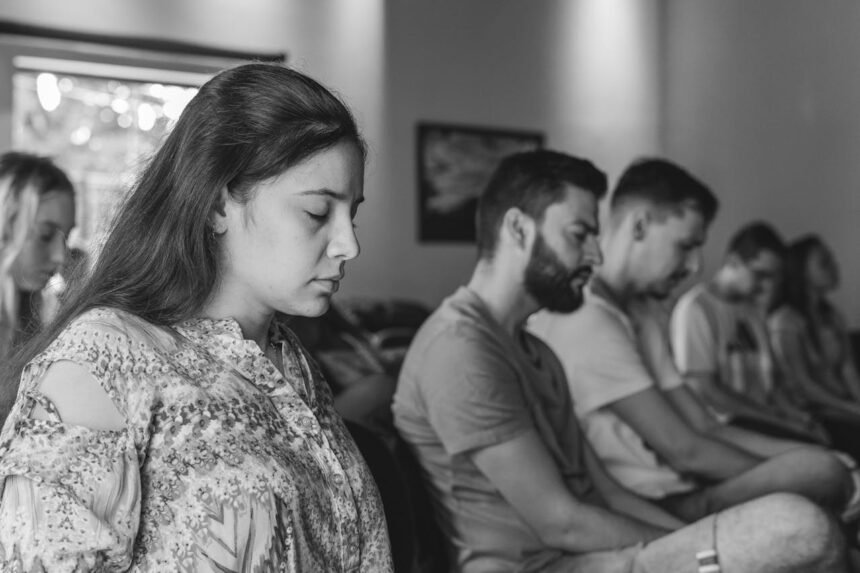
Life in the modern world can feel like a constant race. Whether you are juggling work deadlines, family commitments, or the endless scroll of social media, your body often stays in a state of high alert. This is where calm breathing comes in—not just as a relaxation tool, but as a biological “reset button” for your entire system. By learning to control your breath, you can shift your body from a state of panic to a state of peace in a matter of seconds.
While breathing is something we do 22,000 times a day without thinking, most of us have forgotten how to do it correctly. We tend to take shallow breaths into our upper chest, which can actually increase feelings of worry. Mastering calm breathing allows you to optimise your wellness routines and regain control over your physical and emotional responses.
The Science Behind Calm Breathing: Why it Works
When you experience stress, your “fight or flight” response kicks in, led by the sympathetic nervous system. Your heart rate increases, and your breathing becomes rapid and shallow. Practising calm breathing stimulates the vagus nerve, the longest nerve in your body, which acts as the main component of the parasympathetic nervous system.
This stimulation tells your brain that you are safe. As you slow your breath, you encourage cortisol reduction and help stabilise carbon dioxide levels in the blood. This chemical shift is essential for managing anxiety symptoms and preventing the physical spiralling often associated with panic attacks.
3 Simple Calm Breathing Techniques to Try Today
You don’t need a meditation cushion or a quiet mountain top to practice calm breathing. These techniques can be used anywhere—during a stressful meeting, while travelling, or before you go to sleep.
1. Box Breathing (The Square Breath)
Utilised by elite athletes and Navy SEALs, box breathing is a powerful tool for stress relief and focus. It involves four equal steps:
- Inhale through your nose for a count of 4.
- Hold your breath for a count of 4.
- Exhale slowly through your mouth for a count of 4.
- Hold the empty breath for a count of 4.
2. Diaphragmatic Breathing (Belly Breathing)
This technique focuses on increasing your lung capacity and engaging the diaphragm rather than the chest. To start, place one hand on your chest and the other on your belly. Inhale deeply so that only the hand on your belly moves. This is a core component of maintaining physical health and improving heart rate variability.
3. The 4-7-8 Technique
Developed by Dr Andrew Weil, this method is often called a “natural tranquilliser.” It is particularly effective for improving sleep quality. You inhale for 4 seconds, hold for 7, and exhale forcefully for 8. You can learn more about natural remedies for insomnia to complement this practice.
Comparing Calm Breathing Methods
To help you choose the right approach for your needs, refer to the table below which highlights the benefits of different calm breathing strategies:
| Technique | Primary Benefit | Best For… | Difficulty Level |
|---|---|---|---|
| Box Breathing | Instant Focus | High-pressure situations | Beginner |
| 4-7-8 Method | Deep Relaxation | Falling asleep fast | Intermediate |
| Diaphragmatic | Lowering Blood Pressure | Daily anxiety management | Beginner |
| Alternate Nostril | Emotional Balance | Deep mindfulness practice | Advanced |
The Physical and Mental Benefits
Regularly engaging in calm breathing does more than just make you feel relaxed in the moment. It builds emotional resilience over time. Research published in Scientific Reports suggests that controlled breathing can significantly improve cognitive performance and reduce the negative impacts of chronic stress.
By making these exercises a habit, you can enjoy:
- Improved Focus: By calming the “monkey mind,” you can increase your productivity and mental clarity.
- Better Digestion: Stress shuts down digestion; the parasympathetic state turns it back on.
- Lower Heart Rate: Consistent practice helps in protecting your cardiovascular system.
- Reduced Muscle Tension: Deep breathing helps release the physical “armour” we carry in our shoulders and neck.
If you are struggling with chronic tension, exploring a holistic health approach might be the next step in your journey toward wellness.
How to Overcome Hyperventilation
During moments of extreme panic, you might experience hyperventilation. This occurs when you breathe out more than you breathe in, causing a drop in carbon dioxide levels. This can lead to dizziness and tingling in the fingers. To counteract this, shift immediately to a calm breathing pattern that emphasises a longer exhalation than inhalation. Recognising these signs of panic early can help you regain control before the symptoms escalate.
Expert resources from the NHS and Mayo Clinic suggest that even five minutes of dedicated practice a day can alter how your brain processes stressful stimuli.
Integrating Calm Breathing Into Your Routine
The beauty of calm breathing is its simplicity. To make it stick, try “habit stacking”—attaching your breathing practice to an existing habit. For example, practice box breathing while waiting for the kettle to boil, or perform diaphragmatic breathing while checking your morning emails. This is a key part of building long-term mental health benefits.
For those who prefer guided sessions, apps like Calm or Headspace offer excellent programmes to get you started. Combining breathwork with other mindfulness practices can create a powerful synergy for your well-being. If you find your stress is unmanageable, consider seeking advice from Mind UK or looking into specific stress management tips.
Remember, the goal isn’t to breathe perfectly; it’s to breathe consciously. Each deep breath is a message to your body that you are in control, helping you navigate life’s challenges with a steady heart and a clear mind. For more detailed techniques, you can explore our specific guide on breathing exercises for anxiety or read more about lowering blood pressure naturally.
For further reading on the physiological impacts of breath, consult ScienceDirect or Johns Hopkins Medicine. Understanding the link between breath and the brain is also covered extensively by Harvard Health and Medical News Today. If you feel you need professional support, resources at Psych Central or HelpGuide.org can provide additional pathways to building emotional resilience.
Frequently Asked Questions (FAQs)
How long does it take for calm breathing to work?
Most people feel a noticeable reduction in heart rate and muscle tension within 60 to 90 seconds of starting a calm breathing exercise. However, the cumulative benefits for stress relief and cortisol reduction become more pronounced with daily practice over several weeks.
Can I practice calm breathing while exercising?
Yes, but the technique changes. During high-intensity exercise, your body needs more oxygen. However, using diaphragmatic breathing during steady-state cardio (like jogging) can improve your stamina and prevent the “side stitch” often caused by shallow chest breathing. It is also vital for recovery post-workout.
Is calm breathing safe for everyone?
Generally, yes. Calm breathing is a natural physiological process. However, if you have severe asthma, COPD, or other respiratory conditions, you should consult your doctor before trying techniques that involve holding your breath for extended periods. Focus on gentle, rhythmic cycles instead.