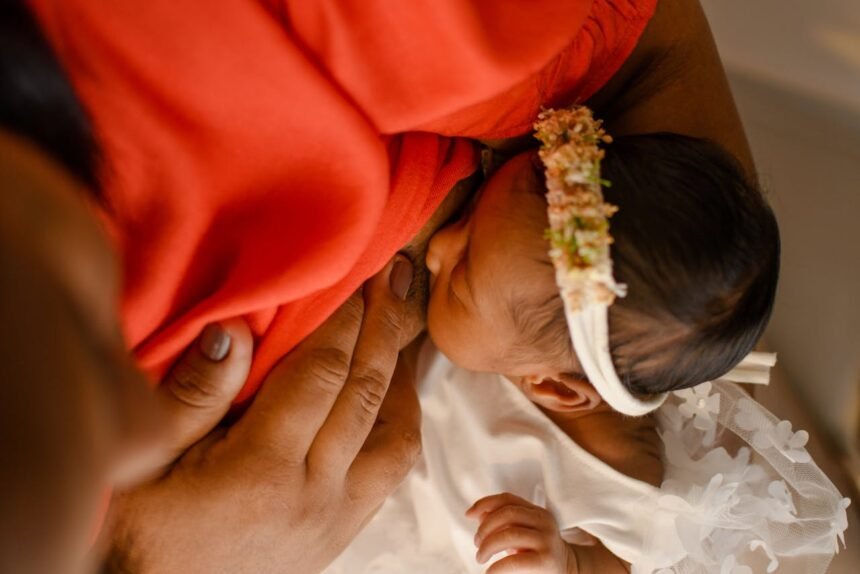
Deciding how to feed your baby is one of the first and most personal choices you will make as a parent. While the immediate benefits for the baby—such as stronger immunity and optimal nutrition—are widely discussed, the long-term health advantages for the mother are often overlooked. Among these powerful benefits is a significant link between breastfeeding and cancer risk reduction, specifically regarding breast and ovarian cancers.
For many new mothers, the postpartum period is a blur of sleepless nights, recovering from birth, and learning the unique cues of a newborn. It is easy to feel overwhelmed by the pressure to breastfeed solely for the baby’s sake. However, understanding the profound biological impact lactation has on your own body can be incredibly empowering. Research consistently shows that breastfeeding is not merely a feeding method; it is a complex physiological process that helps reset parts of your hormonal system after pregnancy.
Whether you are currently expecting, navigating the early days of motherhood, or simply curious about women’s health, it is vital to understand the evidence. This article explores the science behind how breastfeeding protects your body, breaks down the latest research, and offers practical guidance for your journey.
How Does Breastfeeding Reduce Cancer Risk?
To understand the protective effects of breastfeeding, we must look at the biological mechanisms at play. The female body undergoes massive changes during pregnancy and lactation, and these shifts create a unique defence against the development of cancer cells.
Researchers have identified three primary reasons why lactation lowers cancer risk:
- Hormonal Regulation: Breastfeeding lowers the total number of menstrual cycles a woman experiences in her lifetime. This results in less exposure to oestrogen, a hormone that can fuel the growth of certain types of cancer tumours.
- Cellular Shedding: During lactation, the breast tissue undergoes constant remodelling. This process encourages the shedding of tissue and cells that may have sustained DNA damage, effectively removing potential cancer precursors from the body.
- Changes in Gene Expression: The act of producing milk alters the expression of genes within breast cells, making them more resistant to mutations.
This is not just minor protection. According to data from Cancer Research UK, these biological changes provide a cumulative shielding effect—meaning the longer you breastfeed, the stronger the protection becomes.
The Protective Benefits Explained
While the general link is clear, the specifics regarding different types of cancer are fascinating. The impact of breastfeeding varies depending on the type of cancer and the duration of feeding.
Breast Cancer Protection
Breast cancer is the most common cancer in the UK, but lactation offers a robust line of defence. The protection is most notable for hormone-receptor-positive cancers, which are driven by oestrogen and progesterone.
A major collaborative analysis published in The Lancet analysed data from nearly 50 studies involving women across 30 countries. The findings were pivotal: for every 12 months a woman breastfeeds, her relative risk of breast cancer decreases by approximately 4.3%. This is in addition to the 7% decrease in risk observed for each birth.
This protection applies to both:
- Pre-menopausal breast cancer: Occurring before menopause, often more aggressive.
- Post-menopausal breast cancer: The most common form, occurring after periods stop.
Even for women with a family history of the disease, breastfeeding can delay the onset of cancer, although it does not eliminate the genetic risk entirely. It is a modifiable lifestyle factor that empowers women to take proactive steps for their long-term health.
Ovarian Cancer Reduction
Ovarian cancer is often dubbed the “silent killer” because symptoms can be subtle. Fortunately, breastfeeding offers substantial protection here as well. The mechanism is largely tied to ovulation suppression.
When you breastfeed exclusively, your body naturally pauses ovulation (a state known as lactational amenorrhea). The fewer times you ovulate in your lifetime, the less opportunity there is for cell mutation in the ovaries. The World Cancer Research Fund confirms that there is strong evidence that breastfeeding decreases the risk of ovarian cancer.
Some studies suggest that breastfeeding for more than 12 months can reduce the risk of ovarian cancer by up to 30% compared to those who never breastfed. This is a staggering statistic that highlights the potency of natural hormonal regulation.
Duration Matters: The Dose-Response Effect
The scientific term for the relationship between breastfeeding length and cancer risk is a “dose-response” relationship. Simply put, the higher the “dose” (duration of breastfeeding), the better the response (risk reduction).
- Short-term: Even a few months of breastfeeding provides some benefit compared to none.
- Long-term: The most significant reductions are seen in women who breastfeed for a cumulative total of 12 to 24 months or more (combined across all children).
This aligns with guidelines from the NHS, which recommends exclusive breastfeeding for the first six months, followed by continued breastfeeding alongside solid foods.

Comparative Breakdown of Cancer Risks
To help you visualise the impact, the table below compares how breastfeeding influences different physiological factors related to cancer.
| Factor | Impact of Breastfeeding | Connection to Cancer Risk |
|---|---|---|
| Oestrogen Levels | Significantly lowers levels during lactation. | High lifetime exposure to oestrogen is linked to breast and uterine cancers. |
| Ovulation | Suppresses ovulation (Lactational Amenorrhea). | Fewer ovulatory cycles reduce the “wear and tear” on ovarian tissue. |
| Tissue Remodelling | Causes massive cell turnover in breast tissue. | Helps eliminate cells with DNA damage before they become malignant. |
| Insulin Levels | Improves insulin sensitivity and glucose metabolism. | Lower insulin levels are linked to reduced risks of various cancers. |
| Inflammation | Reduces systemic inflammation in the mother. | Chronic inflammation is a known driver of cancer cell growth. |
Tips for a Successful Breastfeeding Journey
While the health benefits are compelling, we realise that breastfeeding can be challenging. It is a learned skill for both mother and baby. To maximise your chances of success and reap the health rewards, consider these actionable tips.
1. Prioritise the “Golden Hour”
Try to initiate breastfeeding within the first hour after birth. This period, often called the “Golden Hour,” is when your baby’s instinct to suckle is strongest. Skin-to-skin contact during this time triggers the release of oxytocin, which helps your milk flow and strengthens the bond.
2. Master the Latch
A poor latch is the leading cause of sore nipples and low milk supply. If breastfeeding hurts, something usually needs adjustment. Do not suffer in silence. Organisations like Unicef UK provide excellent resources on what a good latch looks and feels like. The baby’s mouth should cover a large part of the areola, not just the nipple.
3. Feed on Demand, Not a Schedule
In the early weeks, forget the clock. Feed your baby whenever they show hunger cues (rooting, sucking hands, smacking lips). Frequent feeding establishes a strong milk supply, which is essential for maintaining the hormonal state that provides cancer protection.
4. Seek Professional Support
If you encounter difficulties like mastitis or tongue-tie, seek help immediately. The Royal College of Obstetricians and Gynaecologists emphasises the importance of early intervention. Lactation consultants, midwives, and peer support groups are invaluable resources.
5. Look After Yourself
Breastfeeding burns roughly 500 calories a day. Ensure you are eating a balanced diet and staying hydrated. Your body cannot produce high-quality milk efficiently if you are depleted.
Frequently Asked Questions
Does pumping offer the same protection as nursing?
Yes, the production of milk is what triggers the hormonal changes (lower oestrogen) and tissue shedding. Whether the baby extracts the milk or a pump does, your body is still undergoing the protective physiological process.
What if I can only breastfeed for a few months?
Any amount of breastfeeding is better than none. While the benefits increase with time, short-term breastfeeding still lowers oestrogen exposure temporarily and provides immune benefits to the infant. Healthline notes that every drop counts towards health outcomes.
Does breastfeeding guarantee I won’t get cancer?
No. Breastfeeding significantly lowers the risk, but it does not eliminate it. Genetics, environment, and lifestyle factors (like smoking or diet) also play major roles. It is a tool for risk reduction, not a total shield.
I couldn’t breastfeed. Have I put my health at risk?
Please do not feel guilty. While breastfeeding is protective, not breastfeeding does not “cause” cancer. Many women who never breastfeed live long, cancer-free lives. You can focus on other protective factors, such as maintaining a healthy weight, exercising, and limiting alcohol, as advised by Macmillan Cancer Support.
The Bottom Line
The decision to breastfeed is personal, multifaceted, and unique to every family. However, the science is clear: breastfeeding offers profound benefits for the mother, serving as a natural shield against breast and ovarian cancers.
By lowering oestrogen exposure, suppressing ovulation, and encouraging the shedding of breast tissue, lactation acts as a powerful preventative mechanism. The longer you can continue, the greater the protection, with guidelines from NICE supporting breastfeeding for as long as mother and baby wish.
If you are struggling, remember that support is available. Whether you breastfeed for two weeks, six months, or two years, you are making a positive investment in your health and your baby’s future. Prioritise your wellbeing, seek expert advice from sources like Ovarian Cancer Action, and choose the path that works best for you.