If you are an avocado enthusiast, you likely have a kitchen filled with this creamy, green superfood. Whether you are smashing it onto toast or slicing it for a salad, it is natural to wonder if you can share a bite with your four-legged friend. This leads to the crucial question: can dogs eat avocado?
The answer is not a simple yes or no. While avocado is not as universally toxic to dogs as chocolate or grapes, it presents significant risks that every pet owner must understand. The primary concerns revolve around a toxin called persin, the risk of physical obstruction from the large seed, and the high fat content which can trigger pancreatitis.
In this comprehensive guide, we will explore the science behind avocado toxicity, identify which parts of the plant pose the greatest threat, and discuss what to do if your dog accidentally consumes this popular fruit.
The Controversy: Superfood or Super Toxin?
For humans, avocados are a nutritional powerhouse, loaded with heart-healthy monounsaturated fats, vitamins, and fibre. To understand the botanical classification of what you are feeding your pet, you might first ask, Is Avocado a Fruit or Vegetable? The Scientific Answer. Botanically, it is a single-seeded berry, and like many plants, it has developed natural defence mechanisms.
Understanding Persin
The primary reason veterinarians advise caution regarding the query “can dogs eat avocado” is a fungicidal toxin called persin. Persin is structurally similar to a fatty acid and is present in the avocado fruit, pits, leaves, and the actual plant itself.
According to the American Kennel Club (AKC), while dogs are more resistant to persin than other animals like horses, birds, and rabbits (for whom it can be deadly), high concentrations can still cause gastrointestinal distress in canines.
The Concentration of Toxins
Not all parts of the avocado contain equal amounts of persin. The leaves and the skin hold the highest concentration, while the flesh contains lower levels. However, variety matters. Guatemalan varieties, such as the Hass, typically contain higher levels of persin compared to Mexican varieties. To understand the differences in these varieties, it helps to compare the Pinkerton Avocado vs Hass: Comparing Flavour and Texture, as the genetic lineage dictates toxicity levels.
The Dangers of the Pit (The Stone)
Perhaps a greater immediate danger than persin poisoning is the avocado pit (or stone). To a dog, this large, round seed looks like a bouncy ball or a chew toy. However, swallowing an avocado pit is a medical emergency.
Choking and Obstruction
The pit is dense and slippery. If you have ever tried Starting an Avocado Seed in Water: A Visual Guide, you know how substantial and hard these seeds can be. If a dog swallows one whole, it can easily become lodged in the oesophagus, causing choking.
Even if it passes to the stomach, it cannot be digested. It may move into the intestines and cause a blockage (gastric obstruction). This is a life-threatening condition requiring urgent surgical intervention.
The Fat Factor: Pancreatitis Risks
Even if you peel the avocado and remove the dangerous pit, the flesh itself poses a risk due to its extremely high fat content. While these are “good fats” for humans, a sudden influx of fat in a dog’s diet can be devastating.
What is Pancreatitis?
Pancreatitis is the inflammation of the pancreas. It occurs when digestive enzymes become active while still inside the pancreas, effectively causing the organ to digest itself. This condition is incredibly painful and can be triggered by a single high-fat meal.
Symptoms of pancreatitis include:
- Hunched back due to abdominal pain
- Repeated vomiting
- Diarrhoea
- Lethargy
- Dehydration
Because of this risk, sharing human treats like an Indulgent Avocado Chocolate Mousse Keto Recipe is strictly forbidden—not only because of the avocado fat but also due to the toxicity of chocolate.
Symptoms of Avocado Toxicity in Dogs
If you suspect your dog has managed to scavenge an avocado, vigilance is key. According to the ASPCA Animal Poison Control Center, symptoms of mild toxicity or gastrointestinal upset usually appear within 24 hours.
Watch for the following signs:
- Vomiting and Diarrhoea: The body’s natural reaction to expelling the irritating substance (persin) or reacting to the high fat load.
- Abdominal Discomfort: Whining, sensitivity to touch around the belly, or refusal to lie down.
- Lack of Appetite: Refusing food or water.
- Constipation: This is a critical sign if the pit was swallowed, indicating a blockage.
Treatment and Management
What should you do if the answer to “can dogs eat avocado” turns into “my dog did eat avocado”?
Immediate Steps
- Remove the source: Ensure no other avocados are accessible. This might be a good time to review How to Store Cut Avocado to Prevent it Turning Brown, ensuring they are kept in sealed containers inside the fridge, well out of reach.
- Assess what was eaten: Did they eat the skin? The pit? Or just the flesh? Rough estimates of quantity are helpful for the vet.
- Contact your Vet: Call your veterinary surgeon or a poison helpline immediately.
Veterinary Interventions
If the pit was swallowed, X-rays will be required to locate it. As noted by the Merck Veterinary Manual, while persin toxicity is rare in dogs compared to birds, the physical obstruction is a frequent canine issue.
Treatment may involve:
- Inducing vomiting: Only if the ingestion was very recent and the pit isn’t a choking risk coming back up.
- IV Fluids: To treat dehydration from vomiting or pancreatitis.
- Surgery: If an obstruction is confirmed.
Garden Safety: Growing Avocados with Dogs
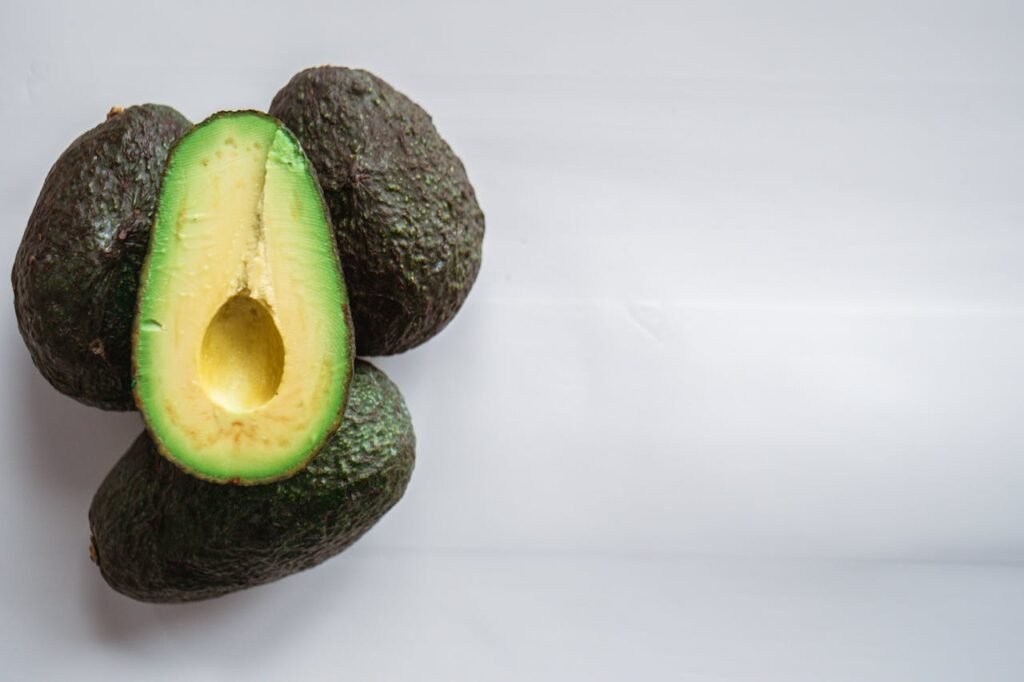
For those who grow their own fruit, the risks extend beyond the kitchen. Avocado trees drop leaves and fruit, creating a backyard hazard.
If you have a compact tree, such as those described in Wurtz Avocado Tree Size: Perfect for Small Gardens, the fruit is growing at a height easily accessible to larger dogs. Furthermore, fallen leaves contain persin. If you notice debris on the ground, or if you are diagnosing Why Are My Avocado Leaves Turning Brown? Causes and Cures, ensure you clear away the fallen matter immediately so your dog does not graze on it.
Seasonality also plays a role. Knowing When is Reed Avocado Season? A Guide to Peak Ripeness helps you predict when fruit drop is most likely to occur, allowing you to supervise your dog more closely during harvest months.
Are There Any Benefits?
Despite the risks, you may see avocado listed as an ingredient in some commercial dog foods. How is this possible?
Avocado Meal and Oil
Processed avocado meal and refined avocado oil are generally considered safe because the persin is negligible, and the fat levels are controlled. In fact, The Benefits of Avocado Oil for Hair Health and Shine in humans can translate to canines; fatty acids contribute to a shiny coat and healthy skin.
However, this does not mean you should feed fresh fruit. The PDSA (People’s Dispensary for Sick Animals) notes that safer alternatives exist for achieving skin and coat health without the associated gastrointestinal risks.
Safe Alternatives to Avocado
If you are looking to treat your dog with fresh produce, there are many safer options that provide vitamins without the risk of persin or pancreatitis. The Battersea Dogs & Cats Home suggests:
- Carrots: Low calorie and great for teeth.
- Apples: De-seeded and cored (seeds contain cyanide).
- Blueberries: Packed with antioxidants.
- Watermelon: Flesh only, no rind or seeds.
- Cucumber: Low calorie and hydrating.
Prevention Tips for Dog Owners
Prevention is always cheaper and less stressful than a trip to the emergency vet.
- Secure your bin: Avocados spoil quickly. If you are researching How to Ripen an Avocado Quickly: 5 Proven Methods, you likely have fruit sitting on countertops. Use a bread bin or a high shelf. Dogs are notorious “counter surfers.”
- Fence off compost: If you compost your avocado skins and pits, ensure your compost heap is secure.
- Educate guests: Well-meaning visitors might try to slip your dog a piece of guacamole. Warn them that it often contains onions and garlic (highly toxic) in addition to the avocado.
The Bottom Line
Can dogs eat avocado? Technically, a small amount of avocado flesh might not kill a dog, but the risks far outweigh the benefits. The potential for pancreatitis from the high fat content, the choking hazard of the stone, and the presence of persin make it a food best kept on your plate and off the floor.
According to VCA Animal Hospitals, if your dog ingests avocado, early intervention is critical. While we love to share our lives with our pets, sharing our avocado toast is simply not worth the gamble.
Stick to dog-safe treats and keep the guacamole for the humans. If you are concerned about your dog’s diet or skin health, consult your vet for safe, formulated supplements rather than reaching for the fruit bowl.