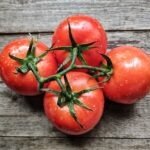
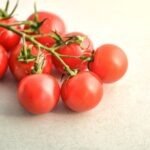
Can Eating Tomatoes Improve Your Eye Health? A Comprehensive Guide
We all want to protect our vision as we age. For decades, carrots have held the title of the ‘top food’ for eyes, largely due to their high vitamin A content. However, recent nutritional science suggests that the humble tomato might be just as crucial for maintaining optimal eye health.
Tomatoes are a dietary staple in the UK, found in everything from fresh salads to pasta sauces and soups. But beyond their versatility and flavour, they are a nutritional powerhouse packed with antioxidants that may help protect your eyes from light-induced damage and age-related degeneration.
Understanding the link between your diet and your vision is the first step toward proactive eye care. This article explores the science behind tomatoes and eye health, breaking down exactly which nutrients provide benefits and how to best consume them.
Overview: The Nutritional Profile of Tomatoes
Botanically a fruit but treated as a vegetable in the culinary world, tomatoes are rich in vitamins, minerals, and potent plant compounds known as carotenoids.
While they are composed of 95% water, the remaining 5% consists of carbohydrates and fibre, alongside a dense concentration of micronutrients. For eye health, specific antioxidants found in tomatoes are the key players.
Key nutrients in tomatoes include:
- Lycopene: The red pigment that gives tomatoes their colour and acts as a powerful antioxidant.
- Lutein and Zeaxanthin: Carotenoids specifically found in the retina of the eye.
- Vitamin C: A vital nutrient for the health of blood vessels in the eyes.
- Vitamin A (Beta-carotene): Essential for low-light vision.
- Copper: A mineral that supports the enzyme systems in the eye.
Research indicates that a diet rich in these compounds can significantly reduce the risk of developing chronic eye conditions.
Symptoms and causes of eye deterioration
Before diving into how tomatoes help, it is important to understand what we are fighting against. As we age, our eyes are susceptible to oxidative stress. This occurs when there is an imbalance between free radicals (unstable molecules) and antioxidants in your body.
Common age-related eye issues include:
- Age-Related Macular Degeneration (AMD): This affects the middle part of your vision and is a leading cause of sight loss in the UK.
- Cataracts: Clouding of the eye's lens, leading to decreased vision.
- Dry Eye Syndrome: Where eyes do not make enough tears or the tears evaporate too quickly.
These conditions are often accelerated by UV exposure, blue light from screens, smoking, and a diet lacking in protective nutrients.
Diagnosis and treatment: How tomatoes support vision
While tomatoes cannot cure existing blindness or reverse severe damage, including them in your diet is a powerful preventative strategy. Medical professionals and dietitians emphasise that nutrition plays a pivotal role in slowing the progression of degenerative eye diseases.
Here is a detailed breakdown of the specific compounds in tomatoes that support your vision.
1. Lycopene: The Red Protector
Lycopene is the star nutrient in tomatoes. It is a carotenoid antioxidant that neutralises free radicals before they can damage cell structures.
Studies suggest that higher levels of lycopene in the blood are associated with a reduced risk of AMD. The benefits of lycopene extend beyond just general health; it specifically helps protect the delicate tissues of the eye from oxidative stress caused by sunlight and environmental pollutants.
Unlike some other nutrients, lycopene is heat-stable. In fact, processing tomatoes (cooking or crushing them) breaks down the cell walls, making the lycopene easier for your body to absorb.
2. Lutein and Zeaxanthin
Often referred to as ‘internal sunglasses’, lutein and zeaxanthin are the only dietary carotenoids that accumulate in the retina, specifically in the macula.
These compounds filter harmful high-energy blue light and protect the underlying photoreceptor cells. According to the NHS, maintaining a balanced diet rich in these vegetables is crucial for long-term eye health. While leafy greens are the most famous source, tomatoes provide a valuable supplementary amount, contributing to the overall carotenoid pool in your body.
3. Vitamin C
Tomatoes are an excellent source of Vitamin C. Your eyes require a high concentration of Vitamin C to function correctly. It acts as a physiological sunscreen, absorbing UV light and preventing damage to the lens protein.
Research highlighted by the Association of Optometrists suggests that Vitamin C intake is inversely associated with the risk of cataract formation. Combining tomatoes with other Vitamin C-rich foods creates a robust defence system for your eyes. You can read more about diet and eye health from the Association of Optometrists.
4. Copper
Though required in smaller amounts, copper is vital. It helps produce melanin, the pigment in your eyes. Melanin acts as a shield, protecting the eyes from sun damage. Tomatoes contain moderate amounts of copper, helping you meet your daily requirements without needing supplements.
Data Table: Nutritional Breakdown of Tomatoes
The following table illustrates the nutrient content of a medium-sized red tomato (approximately 123g) and how it contributes to your daily needs.
| Nutrient | Amount | % Daily Value (Approx) | Eye Health Benefit |
|---|---|---|---|
| Vitamin C | 17 mg | 19% | Protects against cataracts and UV damage. |
| Vitamin A | 1025 IU | 20% | Crucial for night vision and cornea health. |
| Lycopene | 3041 µg | N/A* | Potent antioxidant reducing AMD risk. |
| Vitamin K | 9.7 µg | 8% | Supports vascular health in the eye. |
| Potassium | 292 mg | 6% | Helps maintain fluid balance. |
- There is no official Recommended Dietary Allowance (RDA) for lycopene, but health experts suggest 8–21 mg per day is beneficial.
Tips for management: Incorporating tomatoes into your diet
To maximise the benefits of tomatoes for your eyes, how you eat them matters just as much as how many you eat. Bioavailability—the proportion of a nutrient that is absorbed and used by the body—is key.
Cooked vs. Raw
While raw tomatoes are healthy, cooked tomatoes are better for eye health. Heat changes the structure of the lycopene molecule, making it much easier for your body to transport and use.
- Tomato Paste/Purée: Highly concentrated sources of lycopene.
- Tinned Tomatoes: Often contain higher available antioxidant levels than fresh varieties due to the canning process.
- Sauces: Pasta sauce or tomato soup are excellent ways to boost intake.
Pair with Healthy Fats
Carotenoids like lycopene, lutein, and zeaxanthin are fat-soluble. This means they need to be eaten with fat to be absorbed.
Try these combinations:
- Roast tomatoes with extra virgin olive oil.
- Add avocado to your tomato salad.
- Serve tomato sauce with a sprinkle of cheese or a drizzle of oil.
Leading charities like the Macular Society emphasise the importance of nutrition in managing risk factors. You can find their detailed guidance on nutrition and eye health here.
Select the Right Variety
Generally, the redder the tomato, the higher the lycopene content. However, keep an eye out for orange tomatoes, which contain a form of lycopene that is naturally more easily absorbed by the body.
Organisations like Fight for Sight fund research into how dietary choices impact sight loss. Exploring their resources on keeping your eyes healthy can provide further motivation to improve your diet.
Potential Risks and Considerations
While tomatoes are beneficial for most, there are minor considerations.
- Nightshade Sensitivity: Some individuals with autoimmune conditions claim that nightshades (the family of plants tomatoes belong to) trigger inflammation, though scientific evidence is mixed.
- Acid Reflux: Tomatoes are acidic and can trigger heartburn in some people.
- Interactions: If you are on blood-thinning medication, consistent intake of Vitamin K (found in tomatoes) is important, rather than sudden dramatic changes.
For comprehensive dietary advice, the British Dietetic Association (BDA) offers evidence-based information. You can visit the BDA website for general healthy eating guidelines.
Frequently Asked Questions
Can ketchup improve my eyesight?
While ketchup contains cooked tomatoes and lycopene, it is often high in sugar and salt. It is better to rely on tomato purée, passata, or homemade sauces using olive oil. High sugar intake can negatively impact vascular health, which is detrimental to the eyes.
How many tomatoes should I eat a day?
There is no specific number, but the GOV.UK Eatwell Guide suggests eating at least 5 portions of a variety of fruit and vegetables every day. Including a serving of tomatoes (one medium tomato or 7 cherry tomatoes) 3-4 times a week is a great goal. View the Eatwell Guide for portion sizes.
Do canned tomatoes have the same benefits?
Yes, and sometimes more. Canned tomatoes are processed with heat, which boosts lycopene availability. Just ensure you check the label for added salt or sugar. The Royal National Institute of Blind People (RNIB) supports the view that a varied diet is key. See their advice on nutrition and eye health.
Is tomato juice good for eyes?
Tomato juice is an excellent source of Vitamin C and lycopene. However, commercial varieties can be very high in sodium. Look for low-sodium options or make your own. BBC Good Food offers excellent tips on the health benefits of tomatoes and recipes to try.
Can supplements replace eating tomatoes?
Whole foods are generally superior to supplements because they provide a complex matrix of nutrients that work together. For specific eye conditions, doctors may prescribe specific formulations (like AREDS2 supplements), as noted by Moorfields Eye Hospital. Always consult a professional before starting supplements. You can learn more about specific conditions like AMD at Moorfields Eye Hospital.
The bottom line
Can eating tomatoes improve your eye health? The evidence points to a resounding yes. While they are not a miracle cure for vision loss, they are one of the most effective preventative foods available in the supermarket.
Their rich content of lycopene, lutein, zeaxanthin, and Vitamin C offers robust protection against oxidative stress and age-related decline. By incorporating cooked tomatoes prepared with a little healthy fat into your weekly meal rotation, you are taking a simple, delicious, and scientifically backed step toward preserving your sight for years to come.
Remember to prioritise a varied diet and regular check-ups with your optician to maintain optimal eye health.