For decades, the grapefruit has held a near-mythical status in the world of diet and nutrition. First popularised in the 1930s as the “Hollywood Diet,” the concept of eating grapefruit to shred pounds has persisted through generations.
But does the science actually support the hype? Is grapefruit for weight loss a legitimate medical strategy, or merely a placebo effect born of calorie restriction?
If you are looking to manage your weight, understanding the mechanism behind this citrus fruit is essential. This article analyses the nutritional profile of grapefruit, the scientific evidence regarding its effect on metabolism, safety concerns, and how to incorporate it into a balanced lifestyle.
Overview: The Nutritional Powerhouse
Before diving into weight loss specifically, it is important to understand what makes grapefruit nutritionally unique. It is a subtropical citrus fruit known for its sour to semi-sweet, somewhat bitter taste.
Grapefruit is exceptionally nutrient-dense. It provides a significant amount of fibre, vitamins, and minerals while maintaining a very low calorie count. This combination is the foundation of its reputation as a weight loss aid.
Nutritional Breakdown
Here is the nutritional profile for half a medium-sized pink grapefruit (approximately 123 grams):
| Nutrient | Amount | % Daily Value (DV) |
|---|---|---|
| Calories | 52 | – |
| Carbohydrates | 13 g | – |
| Protein | 1 g | – |
| Fibre | 2 g | 8% |
| Vitamin C | 38.4 mg | 64% |
| Vitamin A | 58.6 mcg | 28% |
| Potassium | 166 mg | 5% |
Source: USDA FoodData Central
Because it is roughly 88% water, eating grapefruit helps you feel full without consuming excessive energy. This high water volume, combined with dietary fibre, is a primary factor in appetite regulation.
The Science: How Grapefruit Affects Weight
Several mechanisms suggest that grapefruit for weight loss is more than just a fad. While it is not a “magic bullet” that melts fat instantly, research indicates it can be a powerful tool for metabolic health.
1. The Satiety Factor
Weight loss fundamentally relies on a calorie deficit. Foods high in fibre and water content take longer to digest and expand in the stomach, sending signals of fullness to the brain.
Consuming half a grapefruit before a meal has been shown to reduce overall calorie intake during that meal. By “pre-loading” your system with low-calorie volume, you naturally eat less of higher-calorie foods.
2. Insulin Regulation
One of the most compelling areas of research involves insulin resistance. Insulin is a hormone that regulates blood sugar and fat storage. When your insulin levels are constantly high, your body is more likely to store fat rather than burn it.
A landmark study conducted at the Scripps Clinic in San Diego found that participants who ate fresh grapefruit lost significantly more weight than the placebo group. Crucially, they also saw a reduction in insulin levels.
Improved insulin sensitivity means your body is more efficient at processing sugar and energy, which is vital for long-term weight management and the prevention of type 2 diabetes. For more on managing blood sugar, read about the Glycaemic Index here.
3. Naringenin and Metabolism
Grapefruit contains a flavonoid called naringenin. This antioxidant is responsible for the fruit’s bitter taste, but it also appears to influence how the liver processes fat.
Animal studies suggest that naringenin activates a protein that helps the liver burn fatty acids rather than storing them. While human trials are still ongoing to confirm the extent of this effect, the preliminary data is promising regarding metabolic enhancement.
See this research on Citrus flavonoids and metabolic regulation for deeper scientific context.
4. Calorie Density
The concept of energy density is simple: it is the number of calories in a specific weight of food. Grapefruit has very low energy density.
According to the British Heart Foundation, replacing high-density foods (like biscuits or crisps) with low-density foods (like citrus fruit) allows you to eat a larger volume of food while reducing total energy intake. This psychological benefit—eating more to weigh less—is key to sustainable dieting.
Potential Drawbacks and Safety Risks
While the benefits of grapefruit for weight loss are supported by evidence, it is critical to approach this fruit with caution if you are taking medication. Grapefruit is unique in the plant kingdom due to its ability to interfere with enzymes in the liver.
The CYP3A4 Enzyme Interaction
Grapefruit contains compounds known as furanocoumarins. These compounds block the CYP3A4 enzyme, which is responsible for metabolising many drugs in the small intestine.
When this enzyme is blocked, medication enters your bloodstream at much higher levels than intended. This can lead to dangerous side effects or toxicity. Conversely, with some drugs (like certain antihistamines), it can block absorption, rendering the medicine ineffective.
Medications to Watch
If you are taking any of the following, consult your GP before adding grapefruit to your diet:
- Statins: Cholesterol-lowering drugs like atorvastatin and simvastatin.
- Calcium Channel Blockers: Blood pressure medications like felodipine and nifedipine.
- Psychiatric Medications: Certain anti-anxiety drugs and mood stabilisers.
- Immunosuppressants: Drugs often used after organ transplants.
The US Food and Drug Administration (FDA) provides a comprehensive guide on these interactions. Never assume a natural food is safe to combine with pharmaceuticals without checking first.
Acid Erosion
Like all citrus fruits, grapefruit is highly acidic. Frequent consumption can erode tooth enamel over time. To mitigate this:
- Rinse your mouth with water after eating.
- Wait 30 minutes before brushing your teeth.
- Eat it as part of a meal rather than snacking on it alone.
Practical Tips: How to Use Grapefruit for Weight Loss
To maximise the benefits of grapefruit for weight loss, integration and timing are key. You do not need to follow a restrictive “fad diet” to see results. Instead, aim for consistency.
1. The Pre-Meal Strategy
The most evidence-backed method is eating half a grapefruit roughly 20 to 30 minutes before your main meals. This utilises the satiety mechanism, curbing your hunger before you sit down to a heavy plate.
2. Choose Whole Fruit Over Juice
While grapefruit juice contains vitamins, it lacks the structural fibre found in the pith and membranes of the whole fruit. Juice causes a faster spike in blood sugar and provides less satiety.
According to the NHS, a 150ml glass of unsweetened fruit juice counts as one of your 5 A Day, but whole fruit is always preferable for weight management.
3. Pair with Protein
Eating grapefruit alone may leave you hungry an hour later due to the low protein content. Pair it with:
- Greek yoghurt
- A handful of almonds or walnuts
- Hard-boiled eggs
This combination stabilizes blood sugar further and prolongs the feeling of fullness.
4. Salads and Savoury Dishes
Grapefruit does not have to be limited to breakfast. Its tartness cuts through rich flavours perfectly.
- Spinach Salad: Toss grapefruit segments with baby spinach, avocado, and grilled chicken.
- Fish Tacos: Use grapefruit salsa as a topping for white fish.
- Roast Vegetables: Add segments to roasted fennel or beetroot for a sweet-and-sour side dish.
5. Managing the Taste
If you find the fruit too bitter, avoid adding refined sugar, as this negates the calorie benefits. Instead, try sprinkling a small amount of salt on the fruit. Paradoxically, salt blocks the bitter receptors in the tongue, making the fruit taste sweeter naturally.
Varieties: Pink vs. White vs. Red
Does the colour matter? Yes, slightly.
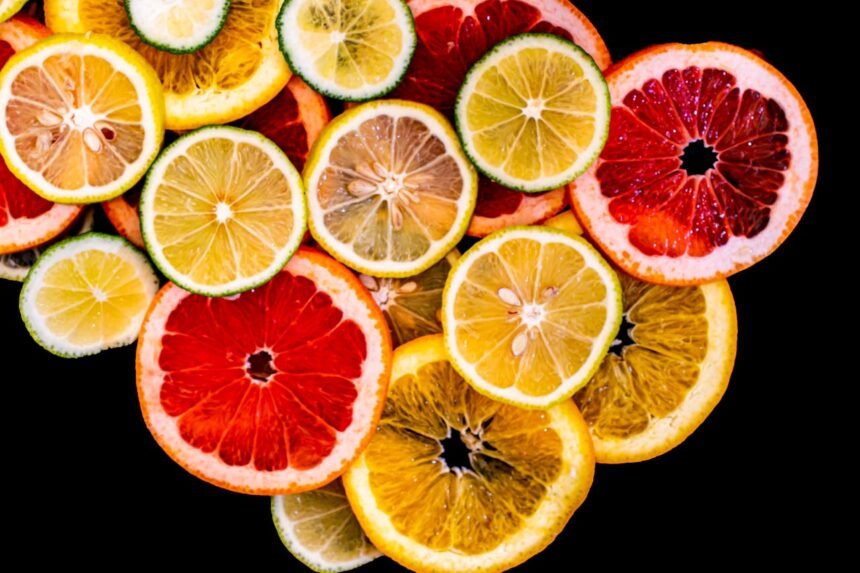
- Red and Pink Grapefruit: These contain higher levels of lycopene and beta-carotene (Vitamin A). They tend to be sweeter.
- White Grapefruit: These are often more acidic and bitter but contain similar fibre and calorie profiles.
For weight loss specifically, the difference is negligible, but for overall antioxidant support, the red and pink varieties have a slight edge. See Harvard Health for more on how antioxidants and healthy diets interact.
The Bottom Line
So, can grapefruit help you lose weight? The evidence suggests yes, but with caveats.
It acts as a weight loss aid through three primary pathways: reducing calorie intake via satiety, improving insulin resistance, and providing a low-energy-density food option. However, it is not a miracle cure that allows you to ignore other aspects of your diet.
Key Takeaways:
- Mechanism: High water and fibre content reduce hunger; compounds may improve insulin sensitivity.
- Safety: Severe interactions exist with common medications (statins, blood pressure meds). Always check with a doctor.
- Usage: Eat half a grapefruit before meals for the best results.
- Sustainability: Incorporate it into a balanced, whole-food diet rather than relying on crash diets.
If you are cleared by your doctor regarding medication interactions, adding this tangy citrus fruit to your daily routine is a smart, evidence-based strategy for managing your weight and improving metabolic health.
For more information on healthy weight management strategies, consider reading about the CDC’s guide to healthy weight. Additionally, the Mayo Clinic offers excellent resources on distinguishing diet myths from medical reality.
Disclaimer: This article is for informational purposes only and does not constitute medical advice. Always consult with a healthcare professional before making significant changes to your diet or if you are taking prescription medications.