Period pain, or dysmenorrhoea, is an uncomfortable reality that affects a significant proportion of women and people who menstruate worldwide. For some, it is a mild annoyance; for others, it can be debilitating enough to disrupt daily life, work, and social activities. While over-the-counter painkillers like ibuprofen and paracetamol are standard treatments, they are not suitable for everyone.
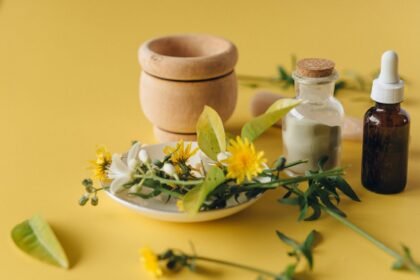
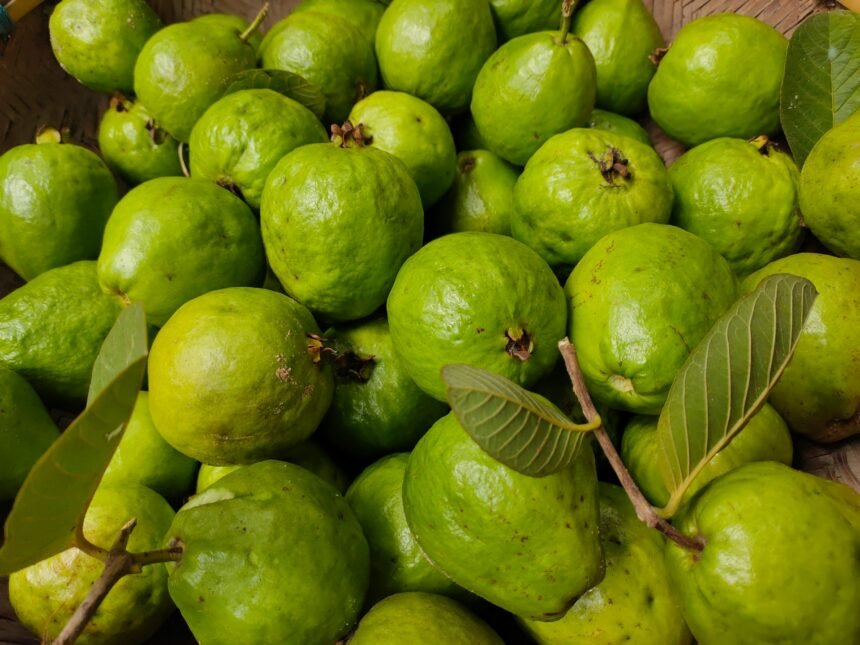
Increasingly, people are turning towards natural alternatives to manage their monthly cycle. Among the various herbal remedies gaining popularity, guava leaves (Psidium guajava) have emerged as a promising contender. Traditionally used in tropical regions for digestive issues, recent conversations in the wellness community suggest these leaves might offer potent relief for menstrual cramps.
But does the science back up the hype? Can a simple tea brewed from fruit leaves genuinely rival pharmaceutical painkillers? This article explores the potential benefits, the scientific evidence, and the practical ways you might use guava leaves to soothe your cycle.
What Are Guava Leaves and How Do They Work?
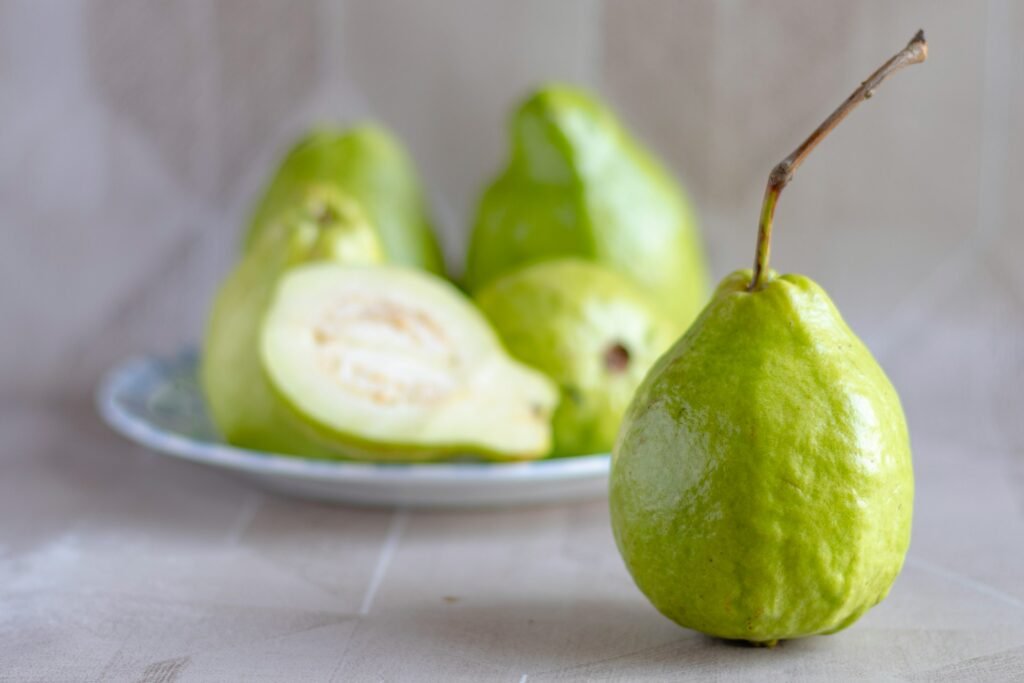
The guava tree is native to tropical areas like Mexico, Central America, the Caribbean, and northern South America. While the fruit is celebrated for its high vitamin C content, the leaves have been a staple in traditional medicine for centuries. They contain a rich profile of bioactive compounds, including flavonoids, phenols, and carotenoids.
The Role of Prostaglandins
To understand how guava leaves might help, we must first understand what causes period pain. During menstruation, your womb contracts to shed its lining. These contractions are triggered by hormone-like substances called prostaglandins. Higher levels of prostaglandins are associated with more severe menstrual cramps.
According to the NHS overview of period pain, this cramping can restrict oxygen flow to the womb tissue, causing pain. Therefore, the most effective treatments are those that inhibit the production of prostaglandins or reduce inflammation.
Scientific Evidence
Research indicates that guava leaf extract possesses strong anti-inflammatory and antispasmodic properties. A notable study published in reliable medical journals compared the efficacy of guava leaf extract with conventional painkillers. The results were surprising to many.
Participants taking 6 mg of guava leaf extract daily reported a significant reduction in pain intensity. In some clinical observations, the extract was found to be more effective than a placebo and arguably comparable to traditional non-steroidal anti-inflammatory drugs (NSAIDs).
Key mechanisms include:
- Spasmolysis: Reducing the spasms of the smooth muscle in the uterus.
- Anti-inflammatory action: Lowering the overall inflammatory response in the pelvic region.
- Analgesic effect: Directly interrupting pain signals.
While more large-scale trials are always beneficial, current data suggests that guava leaves are more than just a placebo.
Actionable Steps: How to Use Guava Leaves
If you are interested in trying this natural remedy, there are specific ways to incorporate it safely into your routine. It is rarely a case of simply chewing a raw leaf; preparation matters for efficacy and safety.
1. Guava Leaf Tea
The most common method of consumption is through a warm tea. Heat itself is a known vasodilator, which can help relax muscles, adding to the benefits of the leaves.
How to prepare it:
- Fresh Leaves: If you have access to a guava tree, pick 4-5 young, tender leaves. Wash them thoroughly to remove any dirt or pollutants. Boil them in 500ml of water for about 10 minutes. Strain the water into a mug.
- Dried Leaves: You can purchase organic dried guava leaves from health food stores. Use one tablespoon of crushed leaves or one tea bag per cup of boiling water. Steep for 5-7 minutes.
For flavour, you might add a slice of lemon or a teaspoon of honey. Drink this once or twice a day, starting a couple of days before your period is due.
2. Dietary Supplements
For those who dislike the taste of herbal tea—which can be slightly bitter and astringent—supplements are an alternative. These usually come in capsule form containing concentrated guava leaf extract.
When choosing supplements, ensure they are regulated. In the UK, look for products that adhere to standards set by GOV.UK regarding traditional herbal medicines to ensure safety and quality control.
3. Combining with Other Natural Remedies
Guava leaves do not have to work in isolation. You can combine this remedy with other lifestyle changes for maximum effect:
- Magnesium: Helps relax uterine muscles.
- Heat Therapy: Using a hot water bottle alongside your tea.
- Gentle Exercise: Yoga or walking releases endorphins.
For a broader look at holistic approaches, Healthline offers a comprehensive list of home remedies that can complement the use of guava leaves.
Comparison: Guava Leaves vs. Conventional Treatments
It is helpful to see how this natural remedy stacks up against the standard treatments most women are used to. The following table breaks down the differences based on efficacy, onset time, and side effects.
| Feature | Guava Leaf Extract | Ibuprofen (NSAID) | Heat Therapy | Placebo |
|---|---|---|---|---|
| Primary Mechanism | Reduces muscle spasms & inflammation | Blocks prostaglandin production | Increases blood flow & relaxes muscles | Psychological effect |
| Onset of Relief | Slow (requires consistent use) | Fast (usually 20-30 minutes) | Immediate (while applied) | Variable |
| Side Effects | Rare; mild digestive upset | Stomach lining irritation, ulcers | Skin burns if too hot | None |
| Accessibility | Moderate (health stores/online) | High (pharmacies/supermarkets) | High (household item) | N/A |
| Scientific Backing | Moderate (emerging studies) | Strong (clinical standard) | Strong (physical therapy) | Weak |
Note: While guava leaves show promise, NSAIDs remain the clinical gold standard for severe dysmenorrhoea.
Frequently Asked Questions
Here are answers to common queries regarding the safety and usage of guava leaves for menstrual health.
Can I drink guava leaf tea if I am trying to conceive?
Generally, guava tea is considered safe. However, the data on herbal concentrations during conception is limited. If you are actively trying to conceive or suspect you might be pregnant, it is crucial to consult a healthcare professional. Reliable sources like the Mayo Clinic discuss dysmenorrhea treatments and often recommend caution with herbal supplements during pregnancy.
Are there any side effects?
Guava leaf tea is generally well-tolerated. However, consuming it in excessive amounts may lead to constipation due to its astringent properties (which is why it is also used to treat diarrhoea). If you have sensitive digestion, start with a small cup to see how your body reacts.
Can I take it alongside ibuprofen?
There are no widely reported negative interactions between guava leaves and NSAIDs like ibuprofen. However, because both work to lower inflammation, combining them might not be necessary for everyone. Always ask a pharmacist before mixing herbal remedies with pharmaceutical drugs. You can check interaction checkers on sites like WebMD for specific safety profiles.
How quickly does it work?
Unlike a painkiller that works in 30 minutes, herbal remedies often require a systemic approach. It is often recommended to start drinking the tea 2 to 3 days before your period begins. This allows the anti-inflammatory compounds to build up in your system before the prostaglandin spike occurs. This preventative approach is supported by pain management strategies found in Cochrane Library reviews regarding dysmenorrhoea.
Is this suitable for endometriosis pain?
Endometriosis causes pain that is often more severe than standard cramps. While anti-inflammatory foods can support management, they are unlikely to be a cure-all for endometriosis. Specialised care is required. You can read more about the complexities of this condition at Endometriosis UK.
Where can I buy guava leaves in the UK?
Fresh leaves are rare unless you grow them in a greenhouse, but dried leaves are available in Asian supermarkets, health food stores, and online retailers. Ensure the packaging specifies that the product is food-grade.
The Bottom Line
Living with menstrual pain can be exhausting, and the search for a natural, side-effect-free remedy is understandable. Guava leaves present a compelling option for those looking to manage mild to moderate dysmenorrhoea naturally.
The scientific evidence suggests that the extract from these leaves possesses genuine anti-inflammatory and antispasmodic properties that tackle the root cause of cramps: prostaglandins. Whether consumed as a warming tea or a supplement, it offers a gentle alternative to chronic NSAID use.
However, natural does not always mean potent enough for everyone. If your period pain is severe, disrupts your daily life, or does not respond to home remedies, it is vital to speak to a GP. Severe pain can sometimes indicate underlying conditions like endometriosis or fibroids.
Key Takeaways:
- Start Early: Drink the tea a few days before your cycle starts.
- Be Consistent: Herbal remedies often work best with regular use.
- Consult a Pro: Always check with a doctor if you are on other medication.
By integrating guava leaves into a broader routine of self-care, heat therapy, and healthy nutrition—perhaps referencing guidance from Medical News Today on anti-inflammatory diets—you may find a smoother, more comfortable monthly cycle. Prioritise listening to your body and finding the combination of treatments that works best for your unique physiology.
Ultimately, while guava leaves are not a miracle cure, they are a scientifically supported tool in the natural pain-relief toolkit.