We have all been there. You have just finished a particularly gruelling session at the gym, perhaps pushing for a personal best on the squat rack or running that extra mile. You feel accomplished, but within hours, the stiffness begins to set in.
Delayed Onset Muscle Soreness, or DOMS, is an uncomfortable reality for anyone dedicated to an exercise programme. While rest and protein are the standard prescriptions for recovery, many athletes and fitness enthusiasts are turning to functional foods to speed up the process.
Watermelon juice has emerged as a surprisingly potent contender in the world of sports nutrition. It is not just a refreshing summer treat; it is packed with specific amino acids and antioxidants that may actively reduce muscle soreness.
But does the science back up the hype? Can a slice of fruit really replace your post-workout shake?
This article explores the evidence behind watermelon juice for muscle recovery, examining how its unique nutrient profile supports your body after intense physical exertion.
Overview
For years, athletes have relied on water, sports drinks, and protein shakes to recover. However, recent trends have shifted towards whole, plant-based functional foods that offer multiple benefits simultaneously.
Watermelon juice fits this criteria perfectly. It is naturally hydrating, rich in vitamins, and contains a unique amino acid called L-citrulline. Research suggests that L-citrulline can improve blood flow and potentially accelerate the removal of metabolic waste products that accumulate during exercise.
Unlike synthetic supplements, watermelon juice provides these nutrients in a natural matrix, often accompanied by other beneficial compounds like lycopene and vitamin C. The primary appeal lies in its ability to address both hydration and muscle tissue repair simultaneously.
Whether you are an endurance runner or a weightlifter, understanding the role of nutrition in recovery is vital. If you can decrease the time you spend feeling sore, you can train more consistently and achieve your fitness goals faster.
Symptoms and causes of muscle soreness
To understand why watermelon juice might help, we first need to understand the problem it is solving.
The mechanism of DOMS
Muscle soreness usually peaks 24 to 48 hours after exercise. This is known as delayed onset muscle soreness.
It is caused by microscopic tears in the muscle fibres. This damage triggers an inflammatory response as your body works to repair the tissue. While this process is necessary for muscle growth, the accompanying pain can be debilitating.
Metabolic fatigue
During high-intensity exercise, your muscles also accumulate metabolic by-products. While lactic acid is often blamed, the fatigue process is complex and involves the depletion of glycogen stores and the accumulation of hydrogen ions.
Dehydration
Fluid loss significantly hampers recovery. When you sweat, you lose water and electrolytes. If you do not replace them, your blood volume decreases, making it harder for your heart to pump oxygen and nutrients to tired muscles.
Diagnosis and treatment: How watermelon juice works
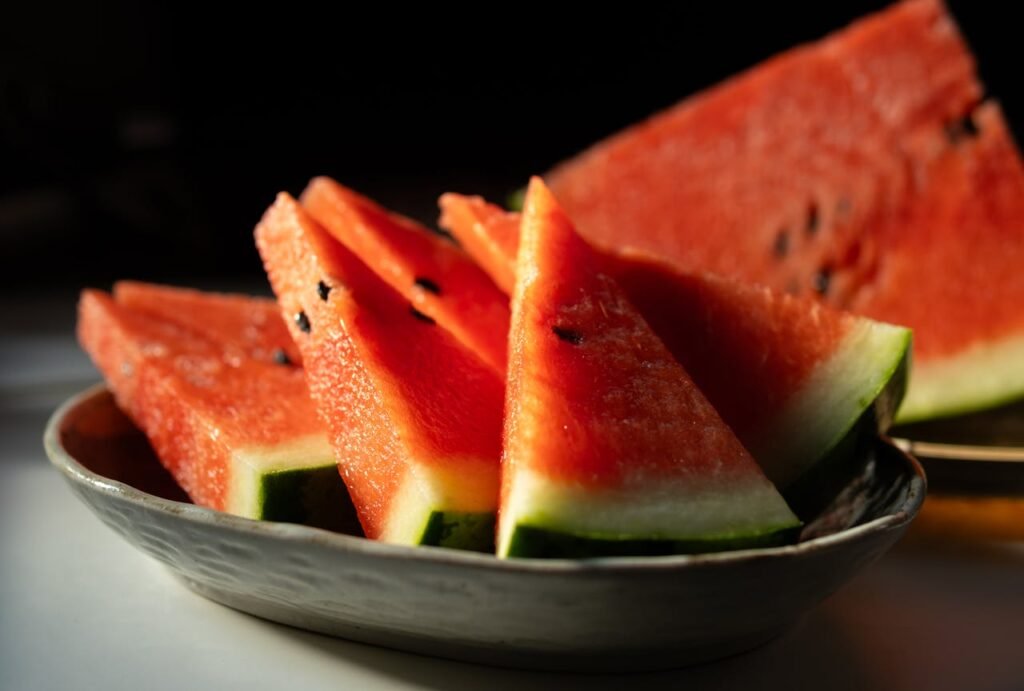
Watermelon juice is not a medicine, but in the context of sports nutrition, it acts as a therapeutic agent. Its efficacy comes down to three main pillars: L-citrulline, hydration, and antioxidants.
The role of L-citrulline
This is the star component of watermelon. L-citrulline is a non-essential amino acid. Unlike many other amino acids, it is not used to build protein directly. Instead, the kidneys convert it into another amino acid called L-arginine and a chemical called nitric oxide.
Nitric oxide is a vasodilator. This means it relaxes and widens your blood vessels. Improved blood flow allows for:
- Better nutrient delivery to repairing muscles.
- Faster removal of metabolic waste products.
According to Healthline, watermelon is one of the best dietary sources of citrulline. Some studies suggest that the bioavailability of L-citrulline from natural watermelon juice is actually higher than from synthetic supplements.
Antioxidant power
Exercise causes oxidative stress. While some oxidative stress signals the body to adapt, too much can prolong recovery. Watermelon is rich in lycopene, the pigment that gives it the red colour. Lycopene is a powerful antioxidant that helps neutralise free radicals.
According to the British Heart Foundation, plant-based diets rich in antioxidants contribute significantly to heart health and inflammation reduction. By reducing overall inflammation, you may reduce the perceived pain of muscle soreness.
Glycogen replenishment
Watermelon contains natural sugars (fructose). After a workout, your glycogen stores (energy reserves) are depleted. Consuming natural sugars helps replenish these stores, giving you energy for your next session.
Comparative Analysis: Watermelon Juice vs. Alternatives
To help you visualise the benefits, here is how watermelon juice stacks up against common recovery drinks.
| Feature | Watermelon Juice | Water | Commercial Sports Drink | Tart Cherry Juice |
|---|---|---|---|---|
| Hydration | High (92% water) | High | High | Moderate |
| Amino Acids | High (L-Citrulline) | None | Variable (often added) | Low |
| Electrolytes | Potassium, Magnesium | None | Sodium, Potassium | Potassium |
| Antioxidants | High (Lycopene) | None | Low/None | Very High |
| Sugar Source | Natural Fructose | None | High Fructose Corn Syrup | Natural Sugars |
Tips for management
If you want to incorporate watermelon juice into your recovery routine, you need to be strategic. Drinking it casually is healthy, but for muscle recovery, timing and preparation matter.
1. Preparation: Do not discard the rind
This is a crucial tip that most people miss. The highest concentration of L-citrulline is actually found in the white rind of the watermelon, not just the red flesh.
When making your juice, wash the watermelon thoroughly and juice the white rind along with the pink flesh. This will significantly boost the amino acid content. If you are blending it into a smoothie, the rind might be too tough, so juicing is preferred here.
2. Timing your intake
To maximise the benefits regarding nitric oxide production and blood flow, timing is key. A study published in the Journal of Agricultural and Food Chemistry indicated that drinking watermelon juice about one hour before exercise helped reduce recovery heart rate and muscle soreness the following day.
However, post-workout consumption is also valuable for rehydration and glycogen replenishment.
- Pre-workout: Drink 500ml one hour before training to prime blood flow.
- Post-workout: Drink immediately after cooling down to replace fluids.
3. Watch the portion size
While healthy, watermelon is high in FODMAPs (fermentable sugars). For people with sensitive stomachs or IBS, large quantities can cause bloating. Monash University serves as a key resource for low FODMAP diets, and they advise caution with portion sizes if you are sensitive to fructose.
4. Combine with protein
Watermelon juice is great for carbs and hydration, but it lacks protein. Muscle repair requires protein synthesis. Pair your juice with a source of lean protein, such as:
- Greek yoghurt
- A hard-boiled egg
- A scoop of whey or plant protein powder
This ensures you are adhering to the principles of the Eatwell Guide by maintaining a balanced macro-nutrient intake.
Frequently Asked Questions
Does watermelon juice replace water?
No. While it is 92% water, you should still drink plain water throughout the day. The British Nutrition Foundation emphasises that water is the healthiest choice for regular hydration without extra calories.
Is it better than tart cherry juice?
Tart cherry juice is another proven recovery aid, largely due to its anti-inflammatory properties. Watermelon juice functions differently; its primary benefit is the vasodilation from L-citrulline. You can actually use both at different times in your training cycle.
How much citrulline do I need?
Studies, such as those found on PubMed, suggest that you need roughly 3 to 4 grams of L-citrulline to see performance benefits. This equates to roughly 500ml to 700ml of fresh watermelon juice, depending on the variety and rind content.
Can I just eat the fruit instead of juicing?
Absolutely. Eating the fruit provides fibre, which is excellent for digestion and helps you hit your 5 A Day. However, juicing allows you to consume the necessary volume of L-citrulline without feeling overly full before a workout.
Are there any side effects?
Generally, it is very safe. However, consuming excessive amounts of lycopene or potassium can be an issue for individuals with kidney problems. Furthermore, as mentioned, the high fructose content can cause digestive upset in some people.
The bottom line
Watermelon juice is more than just a sweet refreshment; it is a scientifically supported functional food that can aid in muscle recovery.
By providing a rich source of L-citrulline, it helps improve blood flow and clear metabolic waste, potentially reducing the severity of DOMS. When combined with its high water content and electrolyte profile, it addresses dehydration effectively.
However, it is not a magic bullet. It works best when integrated into a holistic approach that includes proper sleep, protein intake, and a sensible training plan. As always, listen to your body.
If you are looking for a natural, delicious way to support your fitness journey, adding blended watermelon (including the rind) to your routine is a low-risk, high-reward strategy worth trying.