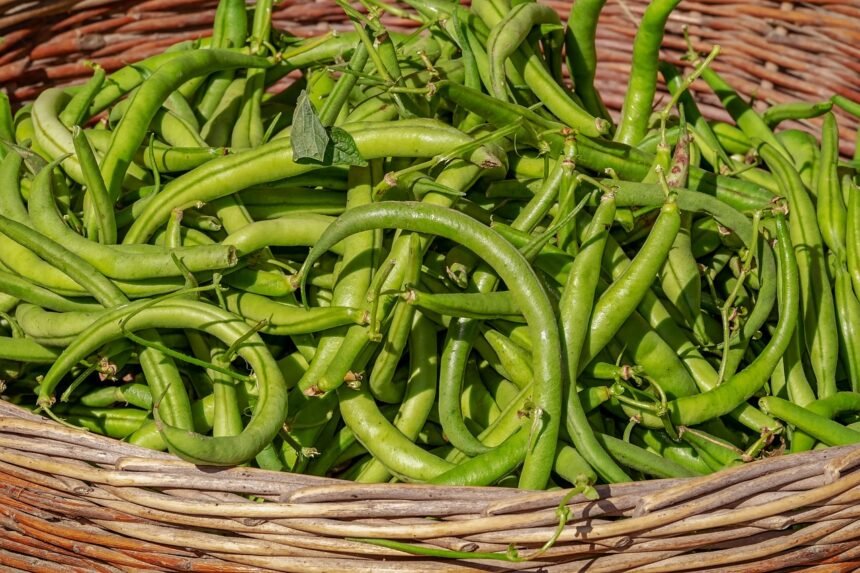
Green beans are a staple in kitchens worldwide. Whether you call them string beans, snap beans, or haricots verts, they are renowned for their vibrant colour, satisfying crunch, and impressive nutritional profile.
While they are most commonly served steamed, sautéed, or added to casseroles, many people enjoy snacking on raw vegetables for their crisp texture and unaltered nutrient content. This raises a common culinary question: Can you eat raw green beans safely?
Technically, yes, you can eat them raw. However, doing so comes with caveats regarding digestion and potential toxicity if consumed in large quantities. While a raw green bean or two implies minimal risk, making a habit of eating bowlfuls of them uncooked could lead to unpleasant side effects.
This article explores the safety, nutritional implications, and digestive concerns associated with eating raw green beans, providing evidence-based advice on how best to prepare them.
Overview: The Nutritional Profile of Green Beans
Before delving into the safety concerns, it is vital to understand why green beans are such a valued part of a balanced diet. They are nutrient-dense, low in calories, and an excellent source of vitamins and minerals.
According to nutritional data, a standard cup (approx. 100 grams) of raw green beans provides:
| Nutrient | Amount |
|---|---|
| Calories | 31 |
| Protein | 1.8 grams |
| Carbohydrates | 7 grams |
| Fibre | 2.7 grams |
| Fat | 0.2 grams |
| Vitamin C | 16.3 mg (27% DV) |
| Vitamin K | 14.4 mcg (18% DV) |
Beyond these basics, green beans are rich in antioxidants, including flavonols like quercetin and kaempferol, which help fight oxidative stress in the body. However, the bioavailability of these nutrients—how well your body absorbs them—can change significantly depending on whether the bean is raw or cooked.
While raw enthusiasts often claim that cooking destroys nutrients, the reality with green beans is more nuanced. Cooking can degrade heat-sensitive Vitamin C, but it can also break down tough cell walls, making other antioxidants and minerals more accessible to your digestive system.
The Primary Concern: Lectins and Safety
The main reason health experts often advise against eating large quantities of raw green beans is the presence of lectins. Lectins are a type of protein that binds to carbohydrates. They are found in high concentrations in legumes, grains, and nightshade vegetables.
Plants produce lectins as a natural defence mechanism to discourage insects and animals from eating them. While they serve a protective role for the plant, they can act as “antinutrients” in humans.
What is Phytohaemagglutinin (PHA)?
The specific lectin found in beans is called phytohaemagglutinin (PHA). While red kidney beans contain extremely high levels of PHA—enough to cause severe toxicity if eaten undercooked—green beans contain much lower levels.
However, “lower” does not mean “absent.”
Consuming raw green beans introduces active lectins into your digestive system. For most healthy adults, a few raw beans may not cause an issue. However, consuming a significant amount can lead to symptoms often described as “green bean poisoning.”
Symptoms of lectin toxicity include:
- Severe nausea
- Vomiting
- Diarrhoea
- Abdominal pain
- Bloating
According to the U.S. Food and Drug Administration (FDA), cooking beans thoroughly neutralises these lectins, rendering them harmless. Boiling green beans for just a few minutes is usually sufficient to degrade the PHA content to safe levels.
Who is most at risk?
Some individuals are more sensitive to lectins than others. If you have a compromised digestive system or an autoimmune condition, you may react more strongly to the antinutrients found in raw legumes.
Digestion: Fibre and Antinutrients
Even if the lectin content in green beans is not high enough to cause acute toxicity in your specific case, eating them raw can still be hard on your digestion.
Difficult-to-Digest Fibres
Raw vegetables possess rigid cell walls made of cellulose. While dietary fibre is essential for gut health, the human digestive system cannot break down cellulose efficiently without the help of cooking, chewing, or gut bacteria.
When you eat raw green beans, this undigested fibre travels to the large intestine, where gut bacteria attempt to ferment it. This process produces gas, which can lead to uncomfortable bloating and flatulence.
Cooking softens the fibre, making it gentler on the stomach and easier for the body to pass. For individuals with Irritable Bowel Syndrome (IBS), eating raw cruciferous or leguminous vegetables is a common trigger for symptoms.
Phytates (Phytic Acid)
In addition to lectins, raw beans contain phytic acid. Often termed an antinutrient, phytic acid can bind to minerals such as iron, zinc, calcium, and magnesium, preventing your body from absorbing them.
While the impact of phytates is generally minor in a balanced diet, those relying heavily on plant-based sources for minerals should be aware that cooking and soaking legumes significantly reduces phytic acid levels. For a deeper dive into how antinutrients affect absorption, you can read more at Healthline.
Microbial Risks: Bacteria and Parasites
Beyond the chemical composition of the bean itself, there is the issue of external contamination. Green beans are grown in soil and can be exposed to harmful bacteria such as E. coli, Salmonella, and Listeria through contaminated water, soil runoff, or handling during harvest.
While washing vegetables removes dirt and some surface bacteria, it does not sterilise the food. The uneven surface of a green bean pod can harbour pathogens in crevices that water alone might miss.
According to the Centers for Disease Control and Prevention (CDC), cooking fresh produce is the most effective way to kill harmful bacteria. If you are pregnant, elderly, or have a compromised immune system, the risk of foodborne illness from raw produce is higher, and cooking your green beans is strongly recommended.
Treatment and Management: Reducing the Risk
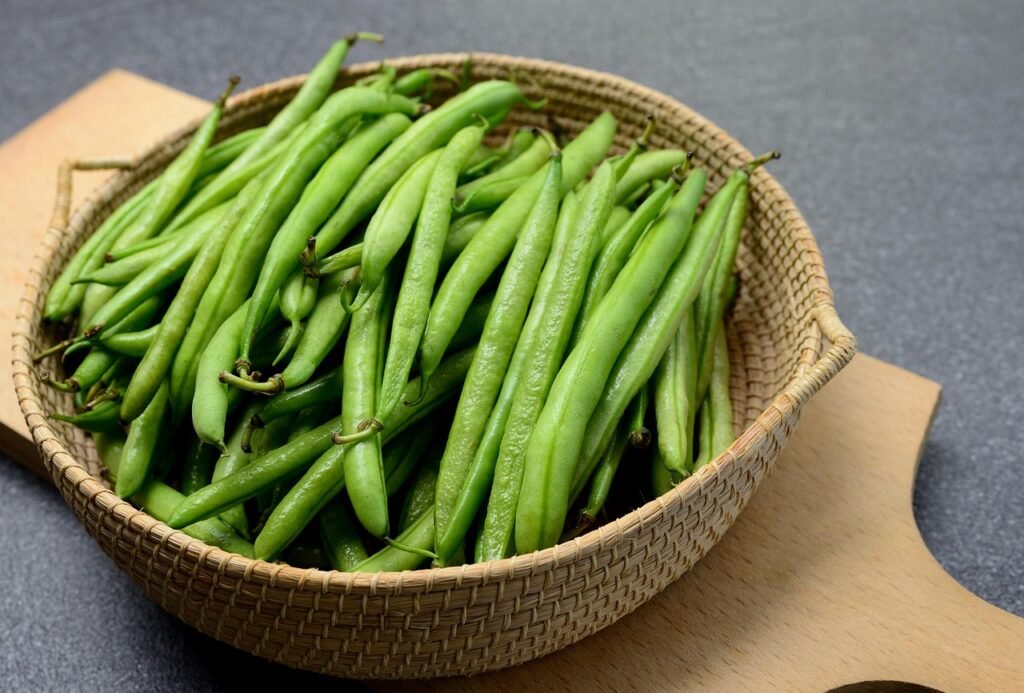
If you love the crunch of green beans and prefer not to boil them to a mush, there are ways to mitigate the risks associated with lectins and digestion while retaining the texture.
Blanching: The Best of Both Worlds
Blanching is a cooking technique that involves plunging the beans into boiling water for a very short period (usually 2–3 minutes) and then immediately transferring them to a bowl of ice water.
This process offers several benefits:
- Lectin Reduction: The heat is sufficient to significantly reduce surface bacteria and neutralise a large portion of the lectins.
- Texture Preservation: The ice bath stops the cooking process instantly, keeping the beans crisp and bright green.
- Nutrient Retention: Because the cooking time is short, vitamin loss is minimised compared to long boiling.
Fermentation
Another way to make raw green beans safer and more digestible is fermentation. Lacto-fermented green beans (often called “dilly beans”) undergo a process where beneficial bacteria break down sugars and starches. This process can reduce antinutrient levels and introduce probiotics, making them a gut-friendly snack.
Practical Tips for Preparation
If you decide to eat green beans, whether raw or cooked, proper preparation is key to safety and flavour. Follow these guidelines to ensure the best experience.
1. Selection and Storage
Choose beans that are vibrant green and free from blemishes or soft spots. They should snap audibly when broken. Store them unwashed in a plastic bag in the refrigerator crisper drawer for up to seven days.
2. Washing Thoroughly
If eating raw, wash the beans under cold running water. Gently rub the surface to remove dirt and potential pesticide residues. The NHS recommends washing all fruit and vegetables before consumption to remove bacteria.
3. Proper Cooking Methods
To maximise nutritional value:
- Steaming: Preserves Vitamin C better than boiling.
- Sautéing: Cooking with a small amount of healthy fat (like olive oil) can help your body absorb fat-soluble vitamins like Vitamin K.
- Microwaving: Surprisingly, microwaving with a small amount of water is one of the best ways to retain antioxidants due to the short cooking time.
4. Listen to Your Body
If you try raw green beans and experience gas or stomach cramping within a few hours, it is a clear sign that your digestive system struggles with the lectins or raw fibre. Switch to lightly steamed beans for future meals.
The Bottom Line
Can you eat raw green beans? Yes, eating a small handful is unlikely to cause harm to a healthy adult. However, they contain lectins which can cause nausea, vomiting, and digestive distress when consumed in larger quantities.
Furthermore, raw green beans are more difficult for the body to digest due to their tough cellulose structure and the presence of antinutrients like phytic acid. There is also a small but present risk of bacterial contamination on raw produce.
The healthiest approach:
For the safest and most nutritious experience, blanch or steam your green beans. This degrades the lectins and improves digestibility while preserving the crunch and the majority of the vitamins.
If you must eat them raw, wash them meticulously and consume them in moderation to avoid gastrointestinal upset.
References and Further Reading
- FDA Bad Bug Book: Detailed information on Phytohaemagglutinin and foodborne pathogens.
- Healthline: Understanding Antinutrients in plant foods.
- Medical News Today: The health benefits of green beans.
- NHS: Guidance on washing fruits and vegetables.
- CDC: Steps for safe fruit and vegetable preparation.
- WebMD: Overview of Phytates and their effects.
- Mayo Clinic: The importance of dietary fibre.
- Cleveland Clinic: Information on Vitamin K sources.
- PubMed: Studies on antioxidant changes during cooking.
- Nutrition Data: Detailed breakdown of Green Beans, raw.