Avocados are a staple in many households, beloved for their creamy texture, rich flavour, and impressive nutrient profile. However, they are notoriously temperamental. One moment they are rock hard, and the next they seem to have turned mushy and brown. This narrow window of perfect ripeness often leads to food waste, leaving many home cooks asking: can you freeze fresh avocados?
The short answer is yes. Freezing is a viable method for preserving this fruit (botanically a berry) for long-term storage. However, the process is not without its caveats. While freezing preserves the nutrient density and flavour, it significantly alters the texture.
Understanding the science behind how freezing affects the cellular structure of the avocado is key to managing your expectations and utilising the frozen fruit correctly in future recipes. This article explores the best methods for freezing avocados, the signs of spoilage to watch for, and how to manage the texture changes effectively.
Overview: The Science of Avocado Storage
Avocados are nutrient-dense powerhouses, packed with heart-healthy monounsaturated fats, fibre, potassium, and vitamins K, E, and C. According to the United States Department of Agriculture (USDA), a standard avocado provides a significant portion of your daily recommended nutrient intake.
Because of their high fat content and specific enzymatic makeup, avocados are highly susceptible to oxidation. This is the chemical process that turns the flesh brown when exposed to air. When you consider the question, can you freeze fresh avocados, you must also consider how to stop this oxidation process during storage.
Freezing works by converting the water content inside the avocado cells into ice crystals. While this halts bacterial growth and enzymatic activity, the formation of sharp ice crystals can puncture the cell walls. When the avocado thaws, these walls collapse, resulting in a texture that is softer and sometimes mushier than the fresh counterpart.
Despite the textural change, the nutritional integrity remains largely intact, making frozen avocado an excellent addition to specific types of meals where texture is secondary to flavour and nutrition.
Symptoms of Spoilage and Causes of Browning
Before attempting to freeze your produce, it is vital to ensure you are starting with high-quality fruit. Freezing will not reverse spoilage; it effectively pauses the avocado in its current state. Therefore, recognising the ‘symptoms’ of a bad avocado is the first step in the process.
Identifying Ripeness
To determine if an avocado is ready for freezing, rely on touch and sight:
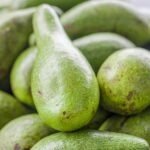
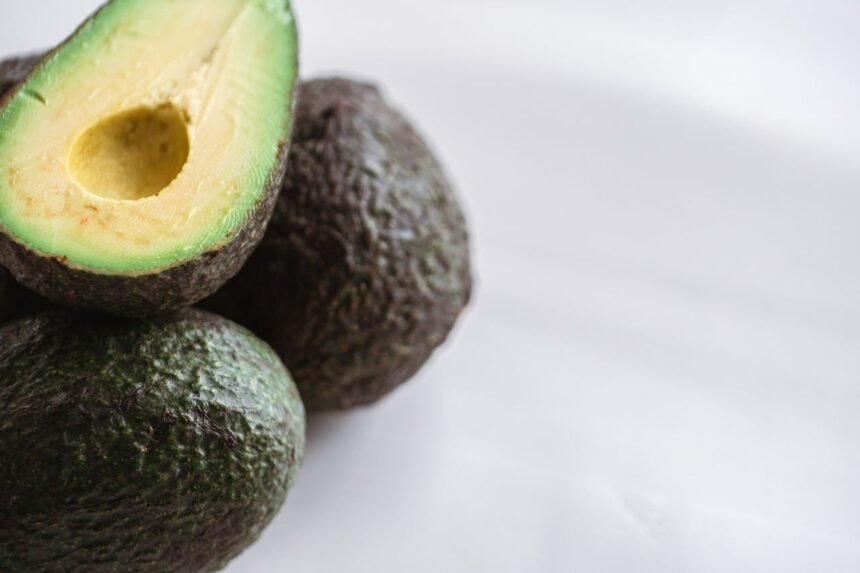
- Colour: For Hass avocados, the skin should be dark green to nearly black. If it is bright green, it is underripe. If it is shrivelled or purely black with sunken spots, it may be overripe.
- Touch: The fruit should yield slightly to gentle pressure. If it feels mushy or leaves an indentation, it is likely too far gone.
- The Stem Check: Peel back the small stem cap at the top. If it is green underneath, the fruit is good. If it is brown, the inside is likely compromised.
The Causes of Browning (Oxidation)
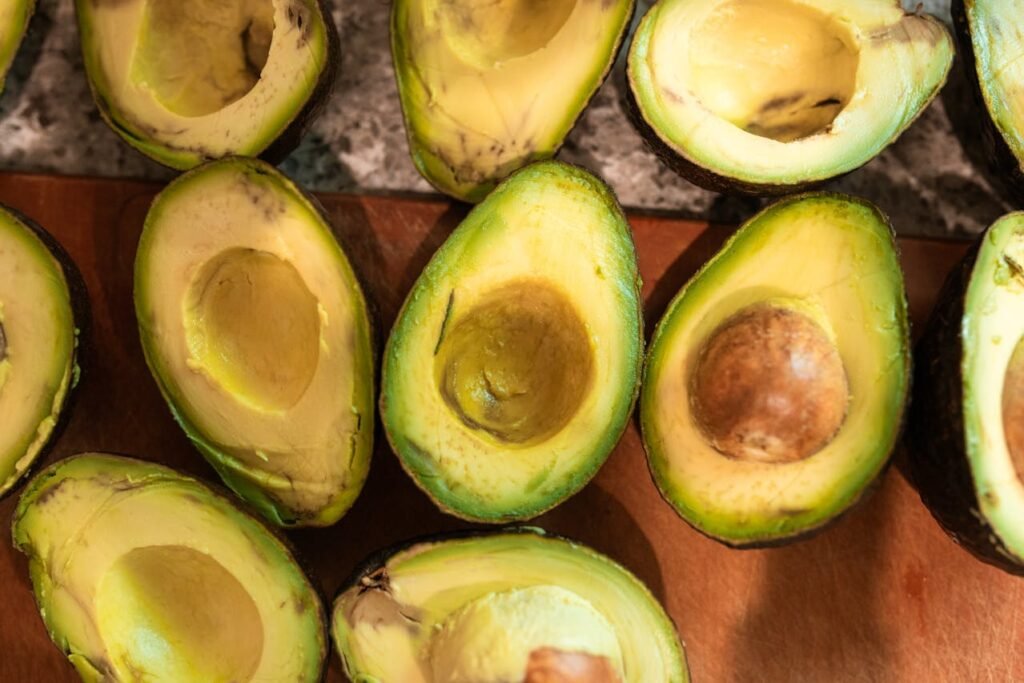
The primary enemy of fresh avocado storage is an enzyme called polyphenol oxidase. When the flesh is cut and exposed to oxygen, this enzyme reacts with phenolic compounds in the avocado, turning the beautiful green flesh into an unappealing brown.
This is not strictly a sign of spoilage (like mould or rancid smells), but it does affect the aesthetic appeal and, eventually, the flavour. When you freeze fresh avocados, you must introduce an acidic element—known as an antioxidant—to inhibit this enzymatic reaction. Common agents include lemon juice, lime juice, or vinegar.
For more on the health benefits of healthy fats found in avocados, you can consult resources from the NHS.
Treatment: Methods for Freezing and Management
If you have a surplus of ripe fruit, you can employ several ‘treatments’ or methods to freeze them. The answer to can you freeze fresh avocados successfully depends largely on how you prepare them before they enter the freezer.
Method 1: Freezing Mashed Avocado (Recommended)
This is widely considered the most effective method because the texture of mashed avocado is already broken down, so the post-thaw structural collapse is less noticeable. This is ideal for guacamole, dips, or spreading on toast.
- Prep: Cut the ripe avocados in half, remove the pit, and scoop the flesh into a bowl.
- Acidify: Add one tablespoon of lemon or lime juice per avocado. This is crucial for preventing browning.
- Mash: Mash until you reach your desired consistency. You can leave it slightly chunky or make it completely smooth.
- Package: Spoon the mixture into an airtight freezer bag or a silicone container. Squeeze out as much air as possible before sealing to prevent freezer burn.
- Store: Label with the date. This will keep for up to 6 months.
Method 2: Freezing Halves or Chunks
If you intend to use the avocado for smoothies, where a high-speed blender will obliterate the texture regardless, freezing in chunks is highly efficient.
- Prep: Peel and pit the avocados. Slice them into halves, quarters, or cubes.
- Protect: Brush the exposed flesh generously with lemon juice. Alternatively, you can dip the chunks into a bowl of water mixed with lemon juice.
- Flash Freeze: Place the pieces on a baking tray lined with parchment paper. Ensure they are not touching. Place the tray in the freezer for about an hour until the pieces are solid.
- Consolidate: Transfer the frozen solid pieces into a freezer bag. This ‘flash freezing’ step ensures the pieces do not clump together into a giant block of ice.
Method 3: Freezing Whole Avocados
While technically possible, this method is often discouraged by culinary experts. Freezing a whole avocado (skin and pit intact) is the easiest method but yields the poorest texture upon thawing. The flesh often becomes extremely watery.
However, if you are pressed for time:
- Wrap: Wrap the whole avocado tightly in cling film (plastic wrap) to minimise air exposure.
- Bag: Place the wrapped fruit in a freezer bag.
- Thaw: When ready to use, thaw on the counter for an hour before peeling. Note that this is really only suitable for smoothies.
Managing Thawing
Proper management of the thawing process is just as important as freezing. Do not microwave frozen avocado, as this destroys the cellular structure further and ruins the flavour.
- Refrigerator Thaw: The best method is to move the frozen avocado to the fridge 12 to 24 hours before you need it. This slow temperature rise preserves the best possible texture.
- Counter Thaw: You can place the sealed bag in a bowl of cold water on the counter for about an hour.
Tips for Best Results
To maximise the quality of your stored avocados, consider these additional tips. They serve as preventative measures against waste and poor quality.
- Use Vacuum Sealers: If you have a vacuum sealer, use it. Removing all oxygen is the absolute best way to prevent browning. Vacuum-sealed avocados can last longer than those stored in standard zipper bags.
- Portion Control: Freeze avocado in portions you are likely to use. For example, use an ice cube tray to freeze mashed avocado. Once frozen, pop the cubes into a bag. This allows you to grab a small amount for a single smoothie without thawing a whole batch.
- Smoothie Prep: Combine avocado chunks with other smoothie ingredients (like bananas, berries, and spinach) in a ‘dump bag’. When you are ready for breakfast, dump the frozen contents into the blender with liquid. The avocado adds creaminess without needing to be thawed first.
- Check for Rancidity: Even frozen food has a lifespan. If your thawed avocado smells like play-dough or rancid oil, the fats have oxidised, and it should be discarded. See FoodSafety.gov for general cold storage guidelines.
Dietary Context
Avocados are a key component of the Mediterranean diet and ketogenic diets. Preserving them ensures you have access to high-quality plant fats year-round. For more on the role of fats in diet, Harvard T.H. Chan School of Public Health offers excellent resources.
Furthermore, reducing food waste is a significant environmental concern. According to Love Food Hate Waste, correct storage is one of the most effective ways households can reduce their carbon footprint.
The Bottom Line
So, can you freeze fresh avocados? Absolutely. It is a practical, safe, and efficient way to reduce food waste and save money, especially when avocados are in season or on sale.
However, you must be realistic about the results. Freezing changes the architecture of the fruit. A thawed avocado will never have the firm, creamy sliceability of a fresh one. It will be softer and slightly watery.
Key Takeaways:
- Best Uses: Smoothies, guacamole, dressings, humous, and baking (as a butter substitute).
- Avoid: Salads, garnishes, or avocado toast slices where texture is paramount.
- Essential Step: Always use lemon or lime juice to prevent the flesh from turning brown.
By following these methods, you can ensure that your avocados remain a delicious part of your diet, reducing waste and ensuring you always have this nutrient-dense fruit on hand. For further reading on the health benefits of avocados, you can visit Healthline.
Other helpful resources for ingredient handling include the Mayo Clinic, the FDA, California Avocados, and BBC Good Food for recipe ideas.