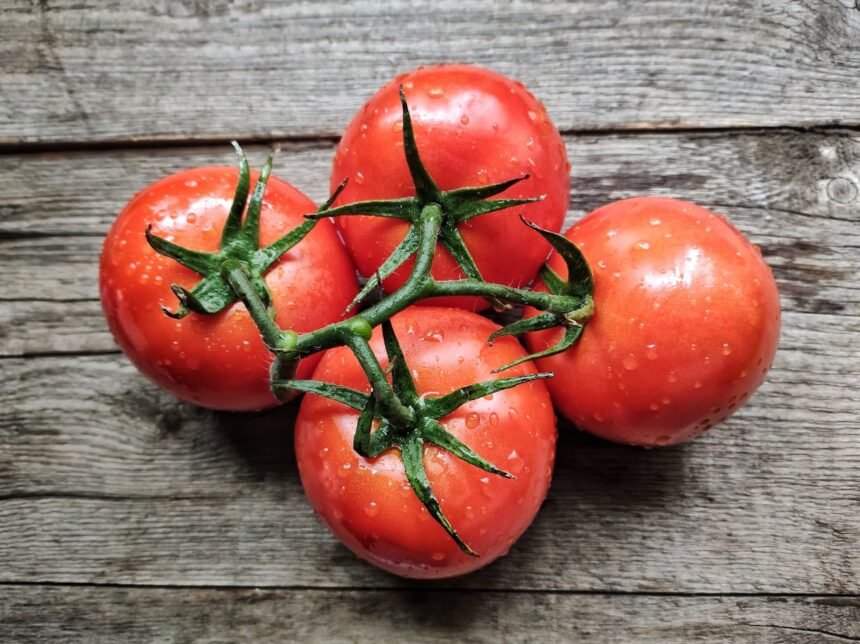
Tomatoes are a cornerstone of kitchens across the UK, finding their way into everything from fresh salads to hearty Bolognese sauces. Yet, a common debate persists in the supermarket aisle: are tinned tomatoes a poor substitute for the fresh variety?
It is easy to assume that fresh produce is always superior. We are often told that processing food strips away vital nutrients. However, when it comes to the humble tomato, the science is surprisingly nuanced. Both forms offer distinct health benefits, and in some specific nutritional areas, the tinned version actually outperforms its fresh counterpart.
Understanding these differences is crucial for optimising your diet. Whether you are looking to boost your antioxidant intake or simply trying to prepare a nutritious family meal on a budget, knowing how processing affects nutrient bioavailability can make a significant difference to your health.
This article compares the nutritional profiles of canned and fresh tomatoes to help you decide which is best for your culinary needs and health goals.
Overview
To understand the nutritional variance, we must first look at how these products are prepared. Fresh tomatoes are harvested and transported to supermarkets, often ripening in transit. While they maintain a crisp texture and high water content, their nutrient levels can degrade over time if stored for too long.
In contrast, tomatoes destined for canning are harvested at peak ripeness. They are immediately blanched, peeled, and sealed in cans, then subjected to heat for sterilisation. This heat treatment is the key factor that alters their chemical structure.
While heating can reduce certain heat-sensitive vitamins, it enhances the absorption of others. Consequently, tinned tomatoes are not merely a convenient backup; they are a distinct nutritional product with unique advantages.
According to the benefits of tomatoes outlined by experts, incorporating a variety of tomato forms into your diet is the best strategy for overall well-being.
Nutritional Differences and Health Impacts
Comparing fresh and canned tomatoes reveals a trade-off between different vitamins and antioxidants. Here is a detailed breakdown of how they differ.
Lycopene and Bioavailability
The most significant difference lies in lycopene, the powerful antioxidant responsible for the tomato’s red pigment. Lycopene has been linked to a reduced risk of chronic diseases, including heart disease and certain types of cancer.
In raw tomatoes, lycopene is bound tightly to the cell walls, making it difficult for the body to extract during digestion. However, the heat involved in the canning process breaks down these cell walls. This structural change makes the lycopene much easier for your body to absorb—a concept known as bioavailability.
Research indicates that processed tomato products can contain significantly higher levels of bioavailable lycopene compared to raw ones. For those focusing on heart health diet strategies, tinned tomatoes or tomato paste are often the superior choice for maximising antioxidant intake.
Vitamin C Sensitivity
Conversely, vitamin C is highly sensitive to heat. Fresh tomatoes are an excellent source of this immune-boosting vitamin. Unfortunately, the thermal processing required for canning destroys a significant portion of the vitamin C content.
If your primary nutritional goal is boosting your immune system or improving iron absorption from plant-based foods, raw tomatoes are the better option. The vitamin C content in a fresh summer salad is substantially higher than what you would find in a tin of plum tomatoes.
Sodium and Additives
A potential downside to tinned tomatoes is the addition of salt and preservatives. Fresh tomatoes are naturally very low in sodium. However, manufacturers often add salt to canned varieties to enhance flavour and preservation.
High sodium intake is a risk factor for hypertension. According to salt reduction guidelines, it is vital to check labels. Opt for tins marked “no added salt” or “in tomato juice” rather than brine to minimise this risk. Furthermore, strict food labelling standards in the UK ensure that ingredients are clearly listed, allowing you to make informed choices.
Fibre and Digestion
Both fresh and tinned tomatoes provide dietary fibre, which is essential for digestive health. However, because tinned tomatoes are peeled, they may contain slightly less insoluble fibre than whole raw tomatoes eaten with the skin on.
Despite this slight reduction, tinned tomatoes remain a valuable source of fibre, contributing to the 5 A Day guide recommended by the NHS. They are particularly useful for bulking up stews and casseroles without adding significant calories.
Nutrient Comparison Data
The following table illustrates the approximate nutritional differences between 100g of raw red tomatoes and 100g of canned tomatoes (standard, no added salt).
| Nutrient | Fresh Tomatoes (100g) | Canned Tomatoes (100g) | Difference Impact |
|---|---|---|---|
| Calories | 18 kcal | 32 kcal | Canned is slightly denser due to moisture loss. |
| Lycopene | ~2,573 mcg | ~10,000+ mcg | Significantly higher in canned. |
| Vitamin C | 13.7 mg | ~9.0 mg | Higher in fresh. |
| Sodium | 5 mg | 10–200+ mg | Varies wildly by brand; check labels. |
| Fibre | 1.2 g | 1.0 g | Slightly higher in fresh (skin on). |
| Potassium | 237 mg | 260 mg | Comparable; typically concentrated in canned. |
Practical Tips for Management and Use
Deciding between fresh and tinned often comes down to the cooking method and the specific dish you are preparing. Here is how to manage your selection safely and effectively.
Choosing the Right Type
- For Salads and Sandwiches: Always prioritise fresh tomatoes. Their crisp texture and high vitamin C content make them ideal for raw consumption. Look for firm skin and a vibrant colour.
- For Sauces and Stews: Tinned tomatoes are preferable. Their concentrated flavour and high lycopene content enrich cooked dishes. They break down easily, creating a thick, rich base for curries and pasta sauces.
- For Glycaemic Control: Both forms have a low glycaemic index (GI), releasing sugar slowly into the bloodstream. This makes them suitable for people managing blood glucose levels, as supported by low glycaemic index research.
Safety and Storage
Concerns regarding Bisphenol A (BPA) in the lining of metal cans have been raised in the past. BPA is a chemical that can mimic oestrogen. While most major UK retailers have moved towards BPA-free linings, it is worth checking the packaging if you are concerned.
The food contact materials regulations ensure that chemical migration stays within safe limits. However, for those wishing to avoid cans entirely, tomatoes packed in glass jars or cartons (passata) are excellent alternatives.
When using fresh tomatoes, store them at room temperature rather than in the fridge to preserve their flavour enzymes. Tinned tomatoes, once opened, must be transferred to a non-metallic container and refrigerated, then consumed within two days.
Frequently Asked Questions
Are tinned tomatoes fattening?
No. Tinned tomatoes are naturally low in calories and fat. However, beware of ready-made tomato sauces which may contain added sugars and oils. Plain tinned plum or chopped tomatoes are excellent for weight management.
Do tomatoes cause inflammation?
Some people believe nightshade vegetables aggravate arthritis, but evidence suggests this is a myth for the majority of the population. In fact, the antioxidants in tomatoes may help reduce inflammation. However, individual triggers vary. Consult resources on risks of cancer and inflammation to understand how antioxidants protect cells.
Is it safe to cook tomatoes in aluminium pans?
Tomatoes are acidic. Prolonged cooking in aluminium pans can cause the metal to leach into the food, potentially giving it a metallic taste. It is safer to use stainless steel or enamelled cast iron cookware for tomato-based dishes.
Why is lycopene better absorbed with fat?
Lycopene is fat-soluble. This means your body absorbs it much more efficiently when eaten with a healthy fat. Lycopene bioavailability studies confirm that adding a drizzle of olive oil to your tomato sauce or salad significantly boosts antioxidant uptake.
Can I eat tinned tomatoes raw?
Yes, tinned tomatoes are already cooked during the canning process, so they are safe to eat directly from the tin. However, their texture and flavour are generally much more palatable when heated and seasoned.
The Bottom Line
Both fresh and canned tomatoes are highly nutritious choices that deserve a place in your diet. There is no clear “winner” because they serve different purposes.
Fresh tomatoes are superior for vitamin C intake and texture in raw dishes. Canned tomatoes take the lead for lycopene content and convenience in cooking, provided you choose varieties with no added salt.
To maximise your health benefits, utilise a mix of both. Enjoy a fresh salad for lunch to boost your vitamin C, and prepare a tomato-based stew for dinner to capitalise on the lycopene boost. By pairing them with a healthy fat like olive oil, you ensure your body reaps the full rewards of this versatile fruit.