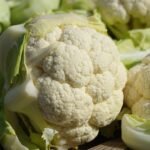
Cauliflower has experienced a meteoric rise in culinary popularity over the last decade. Once relegated to a boiled side dish covered in cheese sauce, it has transformed into a staple for low-carbohydrate diets, appearing as pizza crusts, rice alternatives, and even vegan ‘steaks’.
However, the value of this cruciferous vegetable extends far beyond its versatility in the kitchen or its low calorie count. When we analyse the relationship between cauliflower gut health and digestion, it becomes clear that this humble vegetable is a nutritional powerhouse.
Rich in essential nutrients, antioxidants, and—crucially—dietary fibre, cauliflower plays a significant role in maintaining a healthy digestive tract and supporting a diverse microbiome. Understanding how it interacts with your body can help you optimise your diet for better long-term health.
The Nutritional Powerhouse
Before diving into the specific mechanics of digestion, it is essential to understand what makes cauliflower nutritionally dense. It belongs to the Brassica genus of plants, making it a close relative of broccoli, kale, and Brussels sprouts.
Cauliflower is remarkably low in calories but high in vitamins. In fact, it contains some amount of almost every vitamin and mineral that your body requires. For gut health specifically, its water content and fibre profile are the most critical components.
Here is a breakdown of the nutrients found in 1 cup (approx. 100 grams) of raw cauliflower:
| Nutrient | Amount | % of Daily Value (DV) |
|---|---|---|
| Calories | 25 | – |
| Fibre | 3 g | 10% |
| Vitamin C | 51.6 mg | 77% |
| Vitamin K | 16 mcg | 20% |
| Vitamin B6 | 0.2 mg | 11% |
| Folate | 61 mcg | 14% |
| Potassium | 320 mg | 9% |
| Water | 92 g | – |
The combination of high water content and fibre is the first indicator of its digestive benefits. Water helps fibre work more effectively in the digestive tract, preventing constipation and ensuring smooth transit.
Furthermore, cauliflower is a significant source of antioxidants, specifically glucosinolates and isothiocyanates. These compounds have been shown to slow the growth of cancer cells and reduce inflammation throughout the body, including the gut lining.
For a broader look at the benefits of this vegetable, you can read more at Healthline.
Dietary Fibre: The Engine of Digestion
The primary link between cauliflower gut health and overall wellness is dietary fibre. Despite being a carbohydrate, fibre is not digested by your body. Instead, it passes relatively intact through your stomach, small intestine, and colon, and out of your body.
Cauliflower contains roughly 3 grams of fibre per cup, which contributes significantly to the NHS recommended daily intake of 30g for adults. This fibre comes in two forms, both of which are present in cauliflower, though it is predominantly composed of insoluble fibre.
Insoluble Fibre
This type of fibre does not dissolve in water. It adds bulk to the stool and appears to help food pass more quickly through the stomach and intestines. For individuals struggling with irregular bowel movements or constipation, the insoluble fibre in cauliflower acts as a ‘broom’ for the digestive tract.
Soluble Fibre
Although present in smaller amounts in cauliflower, soluble fibre absorbs water to form a gel-like substance. This helps soften the stool and can aid in lowering blood cholesterol and glucose levels.
The Microbiome and Prebiotics
Perhaps the most exciting area of research regarding cruciferous vegetables is their interaction with the gut microbiome. Your gut is home to trillions of bacteria, collectively known as gut flora. The health of this ecosystem dictates everything from your immune system efficacy to your mood.
Fibre from cauliflower acts as a prebiotic. Prebiotics are essentially food for the beneficial bacteria in your gut. When these bacteria ferment the fibre, they produce Short-Chain Fatty Acids (SCFAs), such as butyrate, acetate, and propionate.
Butyrate, in particular, is the preferred fuel source for the cells lining your colon. Adequate production of SCFAs is linked to a stronger gut barrier, reduced inflammation, and a lower risk of colorectal conditions. According to Harvard T.H. Chan School of Public Health, a diet rich in prebiotic foods is essential for maintaining microbiome diversity.
Anti-Inflammatory Properties and the Gut Lining
Chronic inflammation in the gut can lead to numerous digestive disorders, including Inflammatory Bowel Disease (IBD). Cauliflower contains potent antioxidants known as glucosinolates. When you chew and digest cauliflower, these break down into compounds like sulforaphane.
Sulforaphane is extensively studied for its ability to block enzymes that cause joint destruction and inflammation. In the context of the gut, studies suggest that sulforaphane may help protect the lining of the stomach by inhibiting the growth of Helicobacter pylori, a bacterium that can cause ulcers and gastritis.
Additionally, the Vitamin C content in cauliflower is vital. Vitamin C is necessary for the synthesis of collagen, a protein that supports the structure of the gut lining, helping to prevent ‘leaky gut’ or intestinal permeability.
Choline: The Overlooked Nutrient
Cauliflower is one of the few plant sources high in choline. Choline is an essential nutrient that many people are deficient in. While often associated with brain health, choline also plays a role in maintaining the structural integrity of cell membranes.
It is involved in lipid transport and metabolism. Without adequate choline, fat and cholesterol can accumulate in the liver, potentially leading to non-alcoholic fatty liver disease (NAFLD), which is intrinsically linked to metabolic and gut health.
Potential Downsides: FODMAPs and Gas
While the cauliflower gut health connection is overwhelmingly positive for most, it can cause distress for some. Cauliflower is considered a high-FODMAP food. FODMAP stands for Fermentable Oligosaccharides, Disaccharides, Monosaccharides, and Polyols.
Specifically, cauliflower contains a polyol called mannitol. For individuals with Irritable Bowel Syndrome (IBS) or Small Intestinal Bacterial Overgrowth (SIBO), these fermentable sugars are not absorbed well in the small intestine. Instead, they travel to the colon where they are rapidly fermented by bacteria.
This rapid fermentation can lead to:
- Excessive gas
- Severe bloating
- Abdominal pain
- Diarrhoea or constipation
If you have IBS, Monash University recommends limiting portions or avoiding high-FODMAP foods during the elimination phase of the diet. However, many people find that cooking cauliflower reduces the digestive load compared to eating it raw.
Thyroid Concerns
There is also a common concern regarding goitrogens—substances that can interfere with the function of the thyroid gland by inhibiting iodine uptake. While cauliflower contains goitrogens, the British Thyroid Foundation notes that you would need to consume an excessive amount of raw cruciferous vegetables to negatively impact thyroid function, provided you have adequate iodine intake. Cooking the vegetable largely deactivates these enzymes.
Practical Tips for Incorporation
To maximise the digestive benefits of cauliflower while minimising potential bloating, proper preparation is key. Here are several strategies to make cauliflower a gut-friendly staple in your diet.
1. Cook it Thoroughly
Raw cauliflower is tougher to digest due to the rigid cellulose structure. Steaming, roasting, or boiling breaks down these fibres, making them more accessible to your digestive enzymes. Steaming is often the preferred method as it preserves the most water-soluble vitamins (like Vitamin C and B vitamins) compared to boiling.
2. Introduce Slowly
If your current diet is low in fibre, suddenly consuming large amounts of cauliflower can shock your system, leading to cramping. Increase your fibre intake gradually over several weeks to allow your gut bacteria to adjust.
3. Pair with Carminatives
Cook cauliflower with spices that aid digestion and reduce gas. Cumin, ginger, turmeric, and fennel seeds are excellent ‘carminatives’ that can help soothe the gut. A roasted cauliflower curry is not only delicious but easier on the stomach.
4. Try Fermented Cauliflower
Fermentation transforms cauliflower into a probiotic food. Pickling cauliflower in a salt brine (lacto-fermentation) allows beneficial Lactobacillus bacteria to thrive. Eating this introduces live probiotics to your system alongside the prebiotic fibre. Learn more about the benefits of fermented foods from Stanford Medicine.
5. Hydrate
As you increase your intake of fibre-rich foods like cauliflower, you must increase your water intake. Fibre pulls water into the intestines; without enough fluid, this can lead to dehydration of the stool and constipation.
Simple Gut-Healthy Recipes
Cauliflower Rice:
Blitz raw florets in a food processor until they resemble rice grains. Sauté in olive oil with garlic and turmeric for 5 minutes. This is lighter than traditional rice and provides a massive volume of food for fewer calories.
Roasted Turmeric Florets:
Toss florets with olive oil, turmeric, black pepper, and sea salt. Roast at 200°C for 25 minutes. The fat from the oil helps absorption of Vitamin K, while the turmeric fights inflammation.
Creamy Dairy-Free Mash:
Steam cauliflower until completely tender. Blend with a splash of almond milk, a tablespoon of olive oil, and nutritional yeast. This provides the comfort of mashed potatoes with a fraction of the carbohydrates and significantly more antioxidants.
The Bottom Line
Cauliflower is far more than a trendy low-carb substitute. It is a genuine superfood that supports cauliflower gut health through high fibre content, hydration, and potent antioxidants like sulforaphane.
By feeding beneficial gut bacteria, promoting regular bowel movements, and reducing intestinal inflammation, it serves as a foundational food for a healthy digestive system. While those with IBS should approach it with caution due to its FODMAP content, for the general population, it is an excellent addition to a balanced diet.
Remember to increase your intake gradually and drink plenty of water to help the fibre do its job effectively. Your microbiome will thank you.
- Read more: Mayo Clinic on dietary fibre
- Read more: British Nutrition Foundation on Gut Health
- Read more: WebMD on Goitrogens