Most of us understand the fundamental importance of staying hydrated. We are often told to aim for six to eight glasses of water a day, carry a reusable bottle, and monitor our thirst levels. However, hydration is not solely about the liquid you drink; it is also about the food you eat.
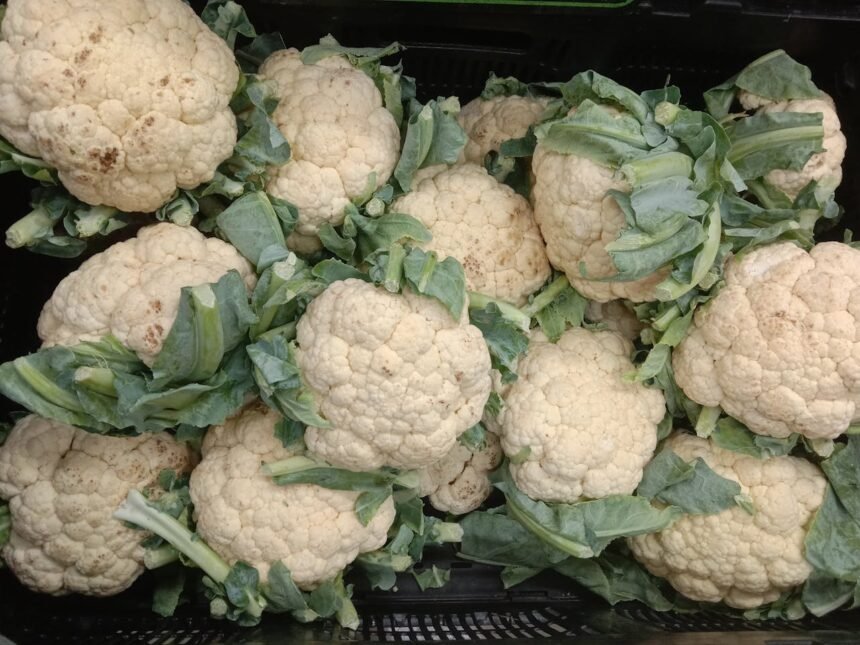
Surprisingly, roughly 20% of your daily fluid intake comes from solid foods, specifically fruit and vegetables. Among these hydrating heroes, the humble cauliflower is frequently overlooked. While cucumbers and watermelon often steal the spotlight for hydration, cauliflower water content is remarkably high, making it a powerful tool for maintaining fluid balance and overall health.
In recent years, cauliflower has surged in popularity as a low-carb substitute for rice, mash, and pizza bases. Yet, its ability to contribute to your hydration goals is an equally compelling reason to include it in your diet.
This article explores the impressive water content of cauliflower, its nutritional profile, and how adding more cruciferous vegetables to your meals can support optimal hydration and wellbeing.
The Physiology of Hydration: Why It Matters
Before diving into the specifics of cauliflower, it is essential to understand why water is so critical for the human body. Water constitutes roughly 60% of your total body weight and is involved in nearly every cellular function.
It regulates body temperature through sweating and respiration, lubricates joints, protects sensitive tissues, and aids in digestion. Furthermore, water is the primary vehicle for transporting nutrients and oxygen to cells while flushing out waste products via the kidneys.
When you are dehydrated, your body cannot perform these functions efficiently. Even mild dehydration can lead to headaches, fatigue, reduced concentration, and mood changes. The NHS advises that women should drink about 1.6 litres and men about 2 litres of fluid per day, but this can vary based on activity levels and climate.
Incorporating water-rich foods like cauliflower into your diet provides a dual benefit: you receive the necessary fluids along with a matrix of electrolytes, vitamins, and fibre that help your body absorb and retain that moisture more effectively than plain water alone.
Nutritional Profile of Cauliflower
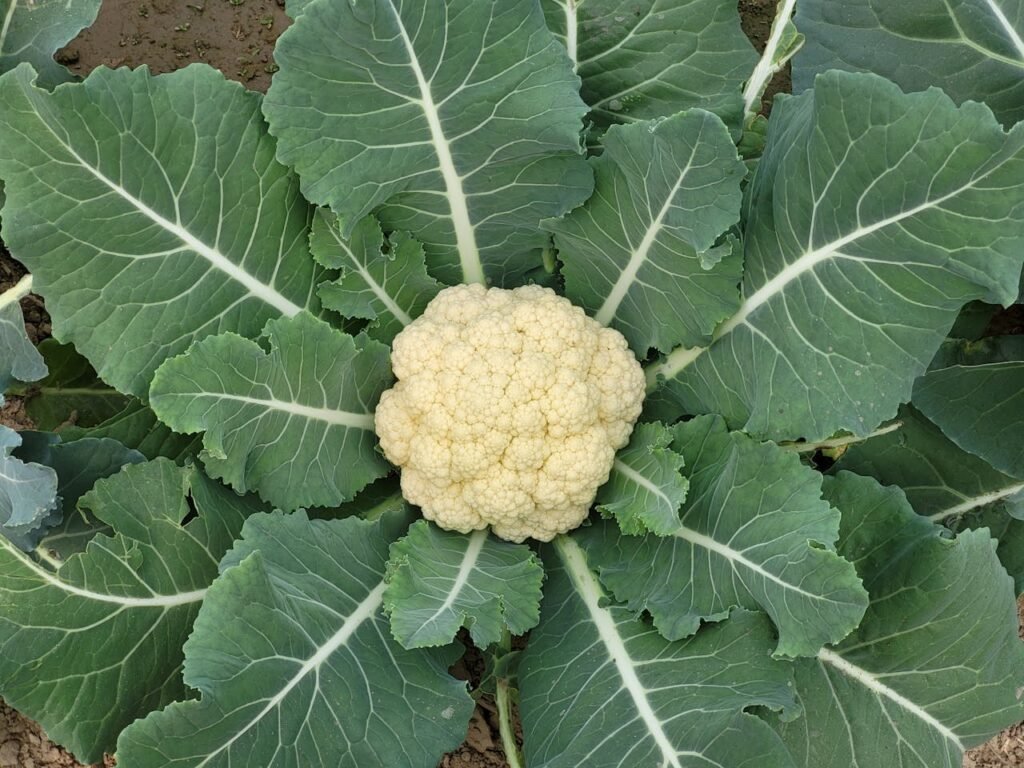
Cauliflower is a nutritional powerhouse. It belongs to the Brassica genus of plants, making it a cruciferous vegetable related to broccoli, kale, and Brussels sprouts. It is low in calories but high in vitamins.
Here is the nutritional breakdown for one cup (approximately 100 grams) of raw cauliflower, according to the USDA FoodData Central:
| Nutrient | Amount |
|---|---|
| Calories | 25 |
| Water | 92% |
| Carbohydrates | 5g |
| Fibre | 2g |
| Sugar | 2g |
| Protein | 2g |
| Vitamin C | 77% of the DV |
| Vitamin K | 20% of the DV |
| Folate | 14% of the DV |
The standout statistic here is the water percentage. With 92 grams of water per 100 grams of vegetable, cauliflower is almost entirely composed of fluid. This high volume of water, combined with fibre, contributes to a feeling of fullness, which is why it is often recommended for weight management.
Deep Dive: Cauliflower Water Content
When discussing cauliflower water content, we are looking at a vegetable that rivals some of the most famous hydrating foods. To put it into perspective, cauliflower contains more water by weight than oranges or pineapples.
Why does this matter? Water-rich foods have a low energy density. This means you can eat a larger volume of food for fewer calories. The water adds bulk to the meal without adding energy, triggering satiety signals in the brain sooner.
Comparison with Other Cruciferous Vegetables
It is helpful to see how cauliflower stacks up against its green cousins in terms of hydration. While all cruciferous vegetables are healthy, their water content varies.
- Cauliflower: 92% water
- Broccoli: 89% water
- Kale: 84% water
- Brussels Sprouts: 86% water
- Cabbage: 92% water
As you can see, cauliflower and cabbage lead the pack in this category. This makes cauliflower an exceptionally efficient way to hydrate while eating savoury meals. For more on hydrating foods, you can read this extensive list on Healthline.
Health Benefits Beyond Hydration
While the water content is impressive, the water in cauliflower comes packaged with bioactive compounds that support your health in other ways.
1. High in Fibre
Cauliflower contains a significant amount of fibre—about 2 grams in a single cup. Fibre acts as a fuel source for the healthy bacteria in your gut. Adequate fibre intake helps prevent constipation and maintains digestive health.
Moreover, fibre and water work synergistically. Fibre draws water into the intestines to bulk up stools and make them easier to pass. Without enough water, increasing fibre can sometimes lead to discomfort, so the high cauliflower water content naturally mitigates this risk. For guidelines on fibre intake, the British Nutrition Foundation offers excellent resources.
2. Rich in Antioxidants
Cruciferous vegetables are renowned for their antioxidant content. Cauliflower provides glucosinolates and isothiocyanates, two groups of antioxidants that have been shown to slow the growth of cancer cells.
Specifically, cauliflower contains sulforaphane, a compound that has been extensively studied for its potential to suppress cancer development and reduce high blood pressure. You can read more about the research surrounding sulforaphane at PubMed.
3. Source of Choline
Choline is an essential nutrient that many people do not get enough of. It plays a major role in maintaining the integrity of cell membranes, synthesising DNA, and supporting metabolism.
Choline is also involved in brain development and the production of neurotransmitters that are necessary for a healthy nervous system. Cauliflower is one of the best plant sources of choline. Further details on choline are available via Medical News Today.
How Cooking Affects Water Content
The way you prepare cauliflower can significantly impact its water content and nutritional value. Since water is a volatile element, applying heat causes evaporation.
- Raw: Eating cauliflower raw ensures you get 100% of its natural water content. However, raw cruciferous vegetables can be difficult for some people to digest.
- Steaming: This is often considered the best method. It preserves the most water and nutrients compared to other cooking methods. Steaming cooks the vegetable gently without leaching vitamins into the cooking water.
- Boiling: Boiling causes the greatest loss of water-soluble vitamins like Vitamin C and folate. While the cauliflower retains some water (absorbing some if overcooked), you lose much of the nutritional benefit into the drain.
- Roasting: Roasting evaporates moisture to concentrate flavour. While delicious, roasted cauliflower will have a lower water content than raw or steamed varieties. However, the loss of volume means you might eat more of it, potentially balancing out the intake.
For a balanced approach to vegetable preparation, Harvard T.H. Chan School of Public Health recommends a variety of preparation methods to keep your diet interesting.
Practical Tips for Adding Cauliflower to Your Diet
Increasing your intake of this hydrating vegetable is easier than you might think. Its mild flavour makes it incredibly versatile.
1. Cauliflower Rice
Pulse raw cauliflower in a food processor until it resembles grains of rice. You can eat it raw in salads for maximum hydration or sauté it briefly. This is a brilliant way to reduce calorie intake while boosting fluid consumption.
2. Smoothies
This may sound unusual, but frozen cauliflower is a fantastic addition to smoothies. It adds a creamy texture without the strong flavour of kale or spinach. Because it is frozen, the water content is preserved, helping to thicken your drink.
3. Mash
Instead of potatoes, steam cauliflower and mash it with a little olive oil and garlic. This provides a similar comfort-food texture but with higher water content and fewer carbohydrates.
4. Steaks
Slicing a whole head of cauliflower into thick “steaks” and roasting them serves as a hearty, hydrating main course. While roasting reduces water slightly, the core remains moist if not overcooked.
Potential Downsides and Considerations
While cauliflower is healthy, there are a few considerations to keep in mind.
Digestive Issues: Cauliflower contains raffinose, a type of carbohydrate that is hard to break down. This can lead to bloating and gas in some individuals. If you have Irritable Bowel Syndrome (IBS), you may need to monitor your intake. The Monash University FODMAP researchers provide guidance on navigating these sensitivities.
Thyroid Function: There is a common concern that cruciferous vegetables can interfere with iodine absorption due to goitrogens. However, this is generally only a risk for those with an iodine deficiency who consume excessive amounts of raw cauliflower. Cooking the vegetable largely deactivates these compounds. See WebMD for more on this topic.
Blood Thinners: Because cauliflower is high in Vitamin K, which helps blood clot, sudden changes in intake can affect medications like warfarin. Consistency is key.
The Bottom Line
Hydration is about more than just drinking water; it is about eating a diet rich in fruits and vegetables that support your body’s fluid balance. With a cauliflower water content of 92%, this cruciferous vegetable is a hydration superstar.
Beyond its ability to hydrate, cauliflower offers a wealth of fibre, antioxidants like sulforaphane, and essential nutrients like choline and Vitamin C. Whether you enjoy it raw, steamed, or riced, it is an inexpensive and versatile ingredient that supports overall health.
By incorporating cauliflower into your weekly meal rotation, you are not just nourishing your body with vitamins; you are actively contributing to your daily hydration needs. For more information on the vital role of water in your body, visit the Mayo Clinic.