Pizza is arguably one of the most beloved foods globally. However, for those monitoring their carbohydrate intake, managing blood glucose levels, or following a gluten-free lifestyle, traditional wheat-based pizza dough is often strictly off limits. Enter cauliflower pizza crust.
Over the last decade, this vegetable-based alternative has transitioned from a niche food blog trend to a staple product found in supermarket freezer aisles worldwide. It promises the savoury satisfaction of pizza without the heavy carbohydrate load.
But is it truly healthier? Does it actually taste like pizza?
This article provides an exhaustive look at cauliflower pizza crust, exploring its nutritional profile, potential benefits, potential pitfalls, and how to ensure you are making a healthy choice.
Overview: What Is Cauliflower Pizza Crust?
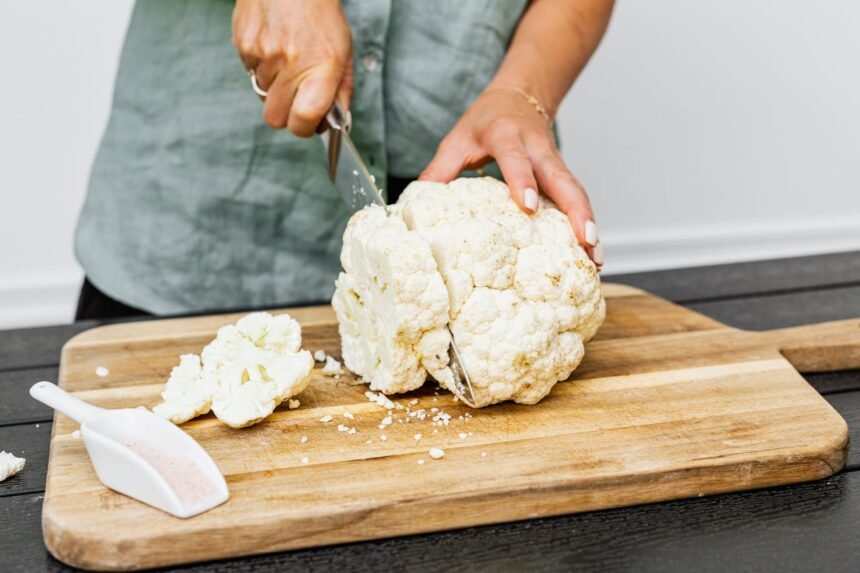
At its core, cauliflower pizza crust is a pizza base made primarily from grated or processed cauliflower (often called cauliflower rice). To transform a cruciferous vegetable into a cohesive dough that can hold toppings, it is typically mixed with binding agents.
Unlike traditional dough, which relies on gluten—a protein found in wheat—to provide structure and elasticity, cauliflower crust relies on ingredients such as eggs and cheese (usually mozzarella or parmesan) to hold it together. Some recipes or commercial brands may also utilise nut flours, such as almond or coconut flour, or starches like tapioca to improve texture.
Because cauliflower is naturally low in carbohydrates and calories but high in fibre and essential vitamins, it serves as an excellent vehicle for those looking to increase their vegetable intake while enjoying a comfort food classic.
Nutritional Breakdown and Benefits
To understand the appeal of cauliflower pizza crust, one must look at the nutritional data. Cauliflower is a nutrient-dense vegetable, providing significant amounts of vitamins C and K, as well as folate.
Comparison: Cauliflower vs. Wheat Crust
The following table illustrates a general comparison between a homemade cauliflower crust and a traditional refined flour pizza base (values per 100g serving):
| Nutrient | Cauliflower Crust (Homemade) | Traditional Wheat Crust |
|---|---|---|
| Calories | ~120 – 150 | ~260 – 300 |
| Carbohydrates | 6g – 10g | 45g – 50g |
| Fibre | 2g – 3g | 2g |
| Protein | 10g (due to cheese/egg) | 8g |
| Fat | 8g – 10g | 5g – 8g |
Note: Nutritional values vary significantly based on whether the crust is homemade or store-bought.
Key Health Benefits
1. Lower Carbohydrate Content
Traditional pizza bases are dense in refined carbohydrates, which can cause rapid spikes in blood sugar. For individuals managing type 2 diabetes or those following a ketogenic (keto) diet, cauliflower crust offers a significantly lower glycaemic impact. According to Diabetes UK, managing carbohydrate portion sizes is crucial for blood glucose control.
2. Gluten-Free Solution
For the 1% of the population with coeliac disease and the many others with non-coeliac gluten sensitivity, wheat flour causes severe digestive distress and immune reactions. As cauliflower is naturally gluten-free, it is a safe base ingredient. However, cross-contamination is always a factor to consider in shared kitchens. You can read more about gluten-free safety at Coeliac UK.
3. Increased Micronutrient Intake
Cauliflower belongs to the Brassica genus of plants. It contains glucosinolates and isothiocyanates, two groups of antioxidants that have been shown to reduce inflammation and protect against several chronic diseases. A study highlighted by PubMed suggests that cruciferous vegetables are potent in cancer prevention strategies.
Factors to Consider: The Store-Bought Trap
While the concept of cauliflower pizza crust is healthy, the execution in commercial products often varies. Not all frozen cauliflower pizzas are created equal.
The ‘Health Halo’ Effect
Many consumers assume that if the box says “Cauliflower,” it is automatically low in calories and carbs. However, food manufacturers often add refined flours to improve the structural integrity of the crust so it behaves more like bread.
Common additives include:
- Rice Flour (Brown or white)
- Cornstarch
- Potato Starch
- Tapioca Starch
These ingredients are gluten-free, but they are high in carbohydrates. Some commercial cauliflower crusts contain as many carbohydrates and calories as regular deep-pan pizza bases. It is vital to read the nutritional label carefully.
Sodium and Saturated Fat
To compensate for the lack of gluten and yeast flavour, manufacturers may increase the sodium content. Furthermore, because cheese is the primary binder, the saturated fat content can be higher than a standard lean dough. The NHS recommends adults eat no more than 6g of salt a day, so checking the traffic light labels on packaging is essential.
How to Make It: Treatment for the Carb-Heavy Pizza
Making cauliflower pizza crust at home gives you complete control over the ingredients. The primary challenge home cooks face is moisture. Cauliflower is roughly 92% water. If this water is not removed, the crust will be soggy and crumble apart.
The Process
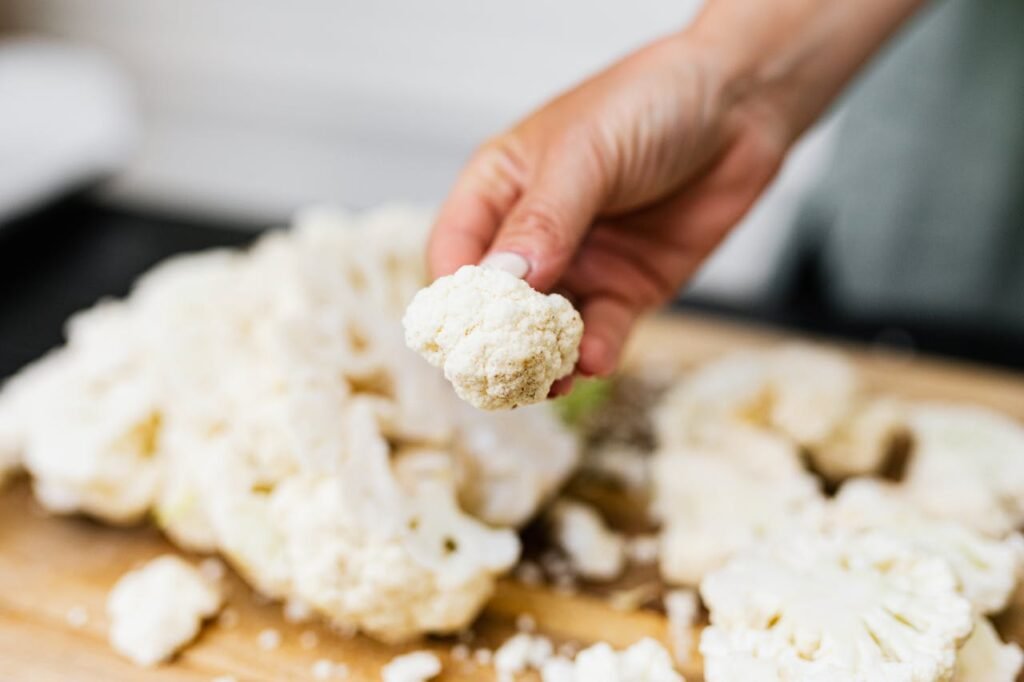
- Rice the Cauliflower: Use a food processor to pulse raw cauliflower florets into rice-sized granules.
- Cook: Steam or microwave the riced cauliflower until tender. This breaks down the cellular structure.
- The Critical Step – Squeeze: Place the cooked cauliflower in a clean tea towel or cheesecloth. Twist and squeeze vigorously. You must extract as much liquid as possible—often more than a cup of water from a single head. The remaining pulp should be dry and dough-like.
- Bind: Mix the dry pulp with 1 egg, grated mozzarella cheese (about 100g), and seasonings (oregano, basil, garlic powder).
- Shape and Bake: Press the mixture onto a baking tray lined with parchment paper. Bake at 200°C (400°F) for 15-20 minutes until golden brown and firm before adding toppings.
For a detailed guide on handling vegetables safely and creatively, BBC Good Food offers excellent resources.
Dietary Variations
For Vegans:
The standard recipe relies on egg and cheese. Vegans can substitute these with a “flax egg” (ground flaxseed mixed with water) and vegan cheese or nutritional yeast. However, getting the crust to hold together without egg proteins can be challenging. The The Vegan Society provides excellent alternatives for plant-based binding agents.
For Keto Dieters:
Ensure you do not add flour. Stick to the cauliflower, cheese, and egg ratio. This keeps the net carbs extremely low (usually under 5g per serving).
Practical Tips for Success
To ensure your cauliflower pizza crust experience is positive, follow these practical management tips:
- Use Parchment Paper: Unlike wheat dough, cauliflower dough is sticky. Do not use foil; the crust will fuse to it. Parchment paper is non-negotiable.
- Flip It: Halfway through the blind bake (the initial bake without toppings), carefully flip the crust over to ensure both sides dry out and crisp up.
- Keep Toppings Light: This crust lacks the structural tensile strength of gluten. Avoid overloading it with heavy meats or watery vegetables like fresh tomatoes. Pre-cook watery toppings to reduce moisture.
- Sauce Sparingly: Too much tomato sauce will rehydrate the crust and make it mushy. Brush a thin layer or use concentrated tomato paste mixed with a little olive oil.
- Crisping Up Store-Bought Crusts: If buying frozen, bake the crust directly on the oven rack (if instructions permit) or use a perforated pizza pan to allow airflow.
For general advice on maintaining a balanced diet while making substitutions, refer to the British Heart Foundation.
The Bottom Line
Cauliflower pizza crust is more than just a passing fad; it is a legitimate, nutrient-dense alternative to refined wheat flour that can fit into various healthy lifestyles, including keto, gluten-free, and low-calorie diets.
However, it is not automatically a “free pass” food. Commercial versions can be laden with starches and sodium that negate the health benefits. Homemade versions require effort but offer the best nutritional profile.
If you are looking to increase your vegetable intake and reduce refined carbs, this crust is an excellent choice. Just remember to read labels, watch your portion sizes, and enjoy it as part of a balanced diet.
For more information on the benefits of reducing gluten and refined carbs, you can explore resources at Healthline. Furthermore, keeping up with general nutritional science is vital, and the Harvard T.H. Chan School of Public Health is a gold standard for such data.
Ultimately, the best pizza crust is one that satisfies your cravings while aligning with your personal health goals. Whether you make it from scratch or buy a high-quality frozen option, cauliflower pizza allows you to enjoy a slice of life without the sluggish after-effects of heavy dough.