
Malaria is a name many of us recognise, but when the condition evolves into its most severe form, it becomes a medical emergency known as cerebral malaria. This life-threatening complication occurs when the parasite Plasmodium falciparum causes neurological complications, primarily affecting the brain’s function.
Recognising cerebral malaria symptoms early can be the difference between a full recovery and permanent cognitive impairment. Because this condition progresses rapidly, understanding the warning signs is essential for anyone living in or travelling to malaria-endemic regions.
What Exactly is Cerebral Malaria?
Cerebral malaria is the most severe manifestation of severe malaria. It occurs when red blood cells infected with parasites stick to the walls of small blood vessels in the brain. This “stickiness” creates blockages that restrict oxygen and glucose flow, leading to brain swelling (oedema) and potentially damaging the blood-brain barrier.
According to the World Health Organization (WHO), cerebral malaria is a clinical syndrome characterised by a coma that lasts for at least 30 minutes after a seizure, specifically when no other cause for the altered consciousness can be found.
The Essential Cerebral Malaria Symptoms to Watch For
The transition from standard malaria to the cerebral stage can happen in a matter of hours. While it often starts with typical flu-like signs, the neurological complications soon take centre stage.
1. Altered Mental State and Coma
The hallmark of cerebral malaria is a change in consciousness. This might begin as mild confusion or irritability but can quickly progress to a deep, unresponsive coma. Medical professionals use the Glasgow Comity Scale (or the Blantyre Coma Scale for children) to assess the depth of unconsciousness.
2. Recurrent Seizures
Seizures are incredibly common, especially in paediatric cases. These are not always the “grand mal” shaking fits most people imagine; they can sometimes be subtle twitching or repetitive eye movements. Repeated seizures increase the risk of long-term brain damage.
3. Abnormal Posturing
In severe cases, a patient may exhibit involuntary movements or rigid posturing. This is a sign of extreme pressure on the brain and indicates that the central nervous system is under significant distress.
4. Severe Anaemia and Respiratory Distress
Because the parasites destroy red blood cells, patients often develop profound anaemia. This leads to “air hunger” or metabolic acidosis, where the patient struggles to breathe despite having clear lungs. You can read more about the impact of anaemia on the body via the Mayo Clinic.
Cerebral Malaria vs. Uncomplicated Malaria
It is vital to distinguish between a standard bout of malaria and the cerebral variant. The following table highlights the key differences in presentation:
| Feature | Uncomplicated Malaria | Cerebral Malaria |
|---|---|---|
| Primary Symptoms | Fever, chills, headache, muscle pain. | Coma, altered consciousness, seizures. |
| Urgency | Requires prompt antimalarial medication. | Immediate hospitalisation and IV treatment. |
| Risk of Death | Low if treated correctly. | High (15-20%) even with treatment. |
| Long-term Effects | Usually none. | Potential cognitive impairment or epilepsy. |
How is it Diagnosed?
If a healthcare provider suspects cerebral malaria, they will perform rapid diagnostic tests. Speed is of the essence here. Common methods include:
- Blood Smears: Examining a drop of blood under a microscope to identify the Plasmodium parasite.
- Rapid Diagnostic Tests (RDTs): Quick tests that detect specific malaria antigens in the blood.
- Lumbar Puncture: Often performed to rule out bacterial meningitis, which can mimic cerebral malaria symptoms.
- Imaging: In well-equipped facilities, an MRI or CT scan may be used to check for brain swelling.
Treatment and Recovery
Cerebral malaria is never treated at home. It requires intensive care in a hospital setting. The current WHO guidelines recommend intravenous artesunate as the first-line antimalarial medication for severe cases.
Treatment focuses on three pillars:
- Killing the Parasite: Using potent IV medications to clear the infection.
- Managing Complications: Controlling seizures, reducing brain pressure, and correcting blood sugar levels.
- Supportive Care: Providing fluids, oxygen, and blood transfusions if necessary.
Organisations like Médecins Sans Frontières (MSF) work tirelessly in high-risk zones to provide these life-saving interventions.
Prevention: The Best Defence
While we focus on cerebral malaria symptoms, malaria prevention remains the most effective tool. This includes using insecticide-treated bed nets, applying insect repellent, and taking prophylactic medication when travelling. The recent rollout of the R21/Matrix-M malaria vaccine represents a historic step in protecting vulnerable populations from tropical diseases.
Academic institutions like the London School of Hygiene & Tropical Medicine continue to research new ways to prevent the transition from simple infection to neurological involvement.
Frequently Asked Questions (FAQs)
Can you fully recover from cerebral malaria?
Yes, many people make a full recovery if they receive prompt, high-quality medical care. However, some survivors—particularly children—may experience lasting neurological complications, such as learning disabilities, speech issues, or motor deficits. Research on ScienceDirect details the various outcomes of the disease.
Is cerebral malaria contagious?
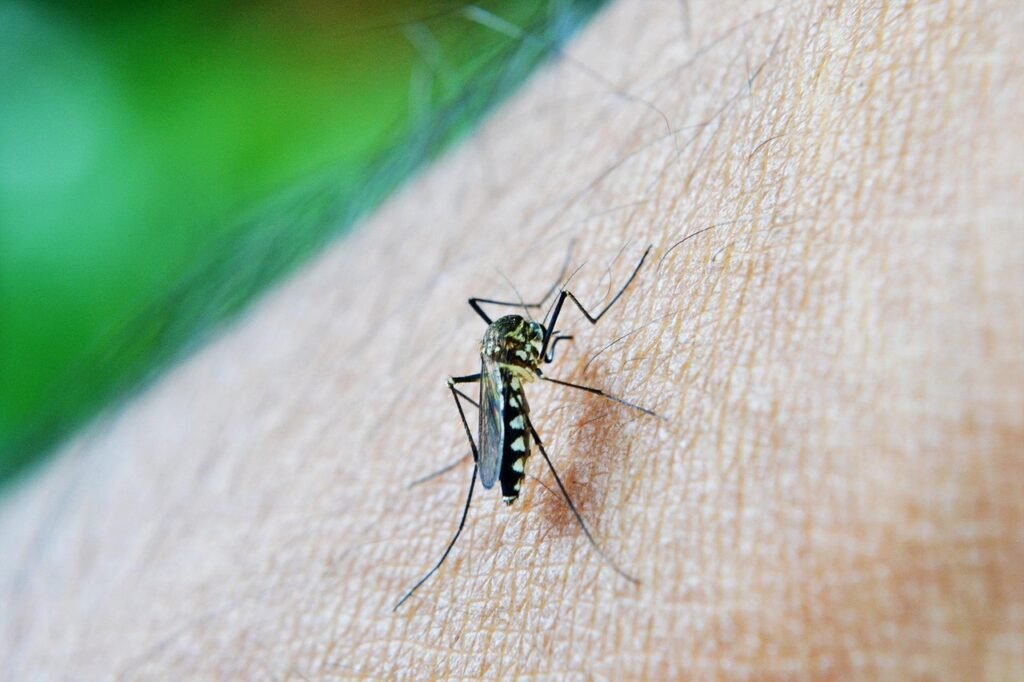
No, cerebral malaria is not contagious from person to person. It is transmitted solely through the bite of an infected female Anopheles mosquito. Prevention efforts, such as those funded by the Bill & Melinda Gates Foundation, focus on breaking this transmission cycle.
How long does it take for symptoms to appear?
Symptoms usually appear 10 to 15 days after the mosquito bite. However, if severe malaria develops, the shift to cerebral malaria symptoms can happen very quickly, often within hours of the initial fever. Prompt action is vital, as highlighted by PATH’s malaria resources.
Where can I find more information on malaria research?
Authoritative updates on malaria research and global statistics can be found through the Centers for Disease Control and Prevention (CDC), The Lancet Infectious Diseases, and the Wellcome Trust.
Disclaimer: This article is for informational purposes only and does not constitute medical advice. If you or someone you know is experiencing cerebral malaria symptoms, seek emergency medical attention immediately.