
In an era where stress and anxiety are increasingly prevalent, the quest for effective, gentle, and sustainable approaches to mental well-being has led many professionals and individuals alike back to the wisdom of natural remedies. Among the vast spectrum of botanical solutions, chamomile tea stands out as a time-honored classic, renowned not only for its soothing aroma and pleasant taste but also for its profound anxiolytic (anxiety-reducing) properties. This comprehensive review delves into the scientific basis of chamomile’s calming effects, its multifaceted role in holistic wellness, and its enduring significance within the landscape of natural remedies.
The Historical Tapestry of Chamomile in Natural Remedies
The utilization of chamomile (primarily Matricaria chamomilla or German chamomile, and Chamaemelum nobile or Roman chamomile) as a medicinal herb spans millennia. Its history is interwoven with ancient civilizations that recognized its therapeutic potential long before modern science could elucidate its mechanisms.
Ancient Roots and Traditional Uses
Records indicate that ancient Egyptians revered chamomile, dedicating it to their sun god Ra and using it for its antipyretic properties and to treat conditions ranging from fevers to skin ailments. The Greeks, including Hippocrates and Galen, prescribed chamomile for its sedative and digestive benefits. Throughout the Roman Empire, it was employed for pain relief and as a calming agent. In traditional European folk medicine, chamomile was a ubiquitous remedy for insomnia, nervousness, stomach upset, and inflammation. Its consistent presence across diverse cultures underscores its efficacy and reliability as a foundational component of natural remedies for various conditions, particularly those related to stress and discomfort. For a deeper dive into its rich history, the Wikipedia page on Chamomile provides an excellent overview.
Understanding Chamomile’s Anxiolytic Mechanisms
The widespread traditional use of chamomile as a calming agent is now strongly supported by modern pharmacological research. Scientists have identified several bioactive compounds within the chamomile flower that contribute to its distinctive therapeutic profile, particularly its anxiolytic effects.
Key Bioactive Compounds
The primary compounds responsible for chamomile’s calming and anti-inflammatory properties include:
- Apigenin: This flavonoid is arguably the most extensively studied anxiolytic compound in chamomile. Apigenin is believed to act on specific receptors in the brain, similar to how some pharmaceutical tranquilizers work, but without the associated side effects. It selectively binds to benzodiazepine receptors, producing mild sedative effects that help reduce anxiety and promote relaxation. Research on apigenin’s diverse biological activities highlights its therapeutic potential.
- Bisabolol: An alcohol that contributes to chamomile’s anti-inflammatory and antiseptic properties, which can indirectly contribute to overall well-being by reducing discomfort that exacerbates anxiety.
- Chamazulene: Another anti-inflammatory compound found in the essential oil of chamomile, contributing to its soothing effects.
- Spiroether: Possesses antispasmodic properties, particularly beneficial for easing digestive discomfort often associated with stress and anxiety.
Interaction with Neurotransmitters
Chamomile’s anxiolytic action is largely attributed to its ability to modulate neurotransmitter activity in the brain. Specifically, apigenin’s interaction with the gamma-aminobutyric acid (GABA) system is key. GABA is the primary inhibitory neurotransmitter in the central nervous system, meaning it helps to calm nerve activity. By enhancing GABAergic activity, chamomile can reduce neuronal excitability, leading to a state of relaxation and decreased anxiety. Understanding the GABAergic system is crucial to appreciating these intricate mechanisms.
Anti-inflammatory and Antioxidant Effects
Beyond its direct impact on brain chemistry, chamomile’s anti-inflammatory and antioxidant properties play a significant role in its overall wellness benefits. Chronic inflammation and oxidative stress are increasingly linked to mood disorders and mental health challenges. By reducing inflammation and combating free radicals, chamomile contributes to a healthier physiological environment, which can indirectly alleviate symptoms of anxiety and improve overall resilience to stress.
Scientific Evidence Supporting Chamomile’s Anxiolytic Efficacy
While anecdotal evidence for chamomile’s calming effects has been abundant for centuries, modern research has sought to validate these claims through rigorous scientific studies.
Clinical Studies and Research Findings
Numerous clinical trials have investigated chamomile’s effectiveness, particularly in individuals experiencing mild to moderate anxiety.
- Generalized Anxiety Disorder (GAD): Several studies have explored chamomile extract’s potential in treating GAD. A notable study published in the Journal of Clinical Psychopharmacology found that chamomile extract significantly reduced GAD symptoms compared to placebo, with a good safety profile. Another study on chamomile’s effect on GAD further supports its therapeutic value.
- Sleep Quality: Given the strong bidirectional relationship between anxiety and sleep disturbances, chamomile’s role as a mild sedative and sleep aid is significant. Studies have shown that regular consumption of chamomile tea or extract can improve sleep quality, reduce nocturnal awakenings, and help individuals fall asleep more easily, indirectly alleviating anxiety associated with poor sleep.
- Mild Anxiety and Stress: For individuals facing everyday stressors or mild anxiety, chamomile has been shown to offer a gentle, non-addictive alternative to manage symptoms. Its ability to induce relaxation without significant drowsiness makes it suitable for daytime use for many.
Dosage and Forms
Chamomile is available in various forms, each offering distinct advantages:
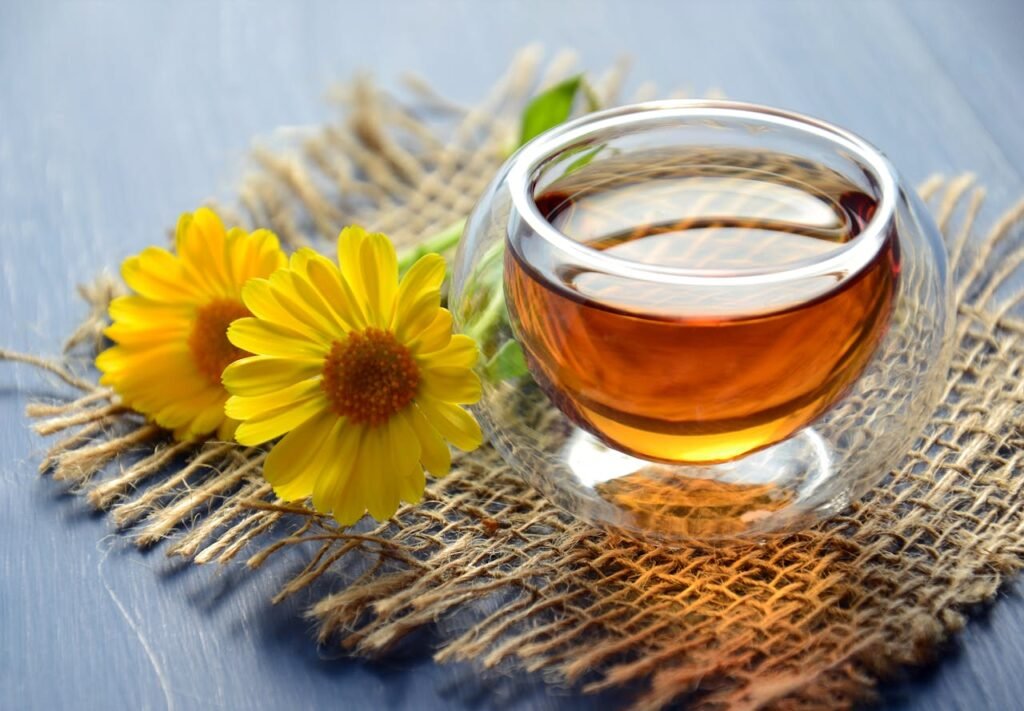
- Teas: The most common and widely enjoyed form. Brewing chamomile tea involves steeping dried flowers in hot water, making it an accessible and enjoyable way to ingest the beneficial compounds.
- Extracts: Standardized liquid or encapsulated extracts provide a more concentrated dose of bioactive compounds, making them suitable for therapeutic applications under professional guidance.
- Essential Oils: Used topically or in aromatherapy, chamomile essential oil (diluted) can provide calming effects through inhalation or skin absorption.
Chamomile’s Broader Role in Natural Remedies (Beyond Anxiety)
While its anxiolytic properties are a primary focus, chamomile’s versatility extends to various other applications within the realm of natural remedies, making it a truly holistic herb.
Digestive Health
Chamomile has long been lauded for its benefits to the digestive system. Its antispasmodic and anti-inflammatory properties can soothe irritated gastrointestinal tissues, making it an effective remedy for:
- Indigestion: Easing discomfort and bloating.
- Irritable Bowel Syndrome (IBS): Reducing abdominal cramps and spasms.
- Nausea: Offering relief from mild nausea and morning sickness.
As a popular natural remedy, “chamomile calm tea” is specifically noted for these benefits, often recommended for individuals seeking gentle digestive support. The Mayo Clinic discusses herbal remedies for digestive issues, frequently including chamomile in the discussion.
Sleep Aid
Beyond anxiety reduction, chamomile is a well-established natural sleep aid. Its mild sedative effects, primarily due to apigenin, help relax the nervous system, making it easier to drift into a restful sleep. For those struggling with occasional sleeplessness, a warm cup of chamomile tea before bedtime is a widely recommended natural remedy. The Sleep Foundation lists chamomile among beneficial herbal teas for sleep.
Skin Health and Inflammation
Topically, chamomile has potent anti-inflammatory and antiseptic properties that make it valuable for skin care. It can be used to:
- Soothe Skin Irritations: Reducing redness, itching, and inflammation from conditions like eczema, psoriasis, and diaper rash.
- Heal Minor Wounds: Its antiseptic qualities aid in preventing infection and promoting healing.
- Alleviate Sunburn: Providing a cooling and calming effect, similar to other soothing natural remedies like aloe vera. The American Academy of Dermatology Association often discusses the role of various natural approaches to skin conditions.
Mild Pain Relief
Due to its anti-inflammatory compounds like chamazulene and bisabolol, chamomile can offer mild analgesic effects. It is often used to alleviate:
- Headaches and Migraines: Particularly those related to tension and stress.
- Menstrual Cramps: Its antispasmodic properties can help relax uterine muscles.
To illustrate the diverse applications, here’s a table comparing common forms of chamomile:
| Form of Chamomile | Primary Use/Benefit | Recommended Application | Dosage Considerations |
|---|---|---|---|
| Chamomile Tea | Anxiolytic, Sleep Aid, Digestive Aid, General Wellness | Daily beverage, pre-sleep ritual | 1-3 cups daily, steep 5-10 min |
| Liquid Extract/Tincture | Concentrated anxiolytic, digestive support | Sublingually or diluted in water | As directed by product label or healthcare professional |
| Encapsulated Extract | Targeted anxiolytic, anti-inflammatory | Oral supplement, convenient for consistent dosing | As directed by product label or healthcare professional |
| Essential Oil | Aromatherapy for relaxation, topical for skin/pain | Diffuser, diluted in carrier oil for topical application | Inhale cautiously, patch test for topical use |
| Herbal Compress/Poultice | Topical anti-inflammatory for skin irritations | Applied directly to affected skin area | As needed for localized relief |
Practical Integration: How to Incorporate Chamomile into Wellness Routines
For those seeking to leverage chamomile’s benefits, thoughtful integration into daily wellness routines is key.
Tea Preparation
To maximize the therapeutic benefits of chamomile tea, use high-quality dried flowers (loose leaf or reputable tea bags). Steep 1-2 teaspoons of dried chamomile flowers in hot water (not boiling) for 5-10 minutes, covered, to preserve volatile oils. For enhanced flavor and additional benefits, consider adding a slice of lemon or a touch of honey.
Supplements and Extracts
When opting for standardized extracts or capsules, it’s crucial to select products from reputable manufacturers. Consult with a healthcare professional or an herbalist to determine appropriate dosages, especially for specific conditions like GAD, ensuring alignment with your individual health profile.
Considerations and Precautions
While chamomile is generally considered safe for most individuals, a few considerations are important:
- Allergies: Individuals allergic to plants in the Asteraceae/Compositae family (e.g., ragweed, marigolds, daisies, chrysanthemums) may experience allergic reactions to chamomile.
- Blood Thinners: Chamomile contains coumarin, which can have mild blood-thinning effects. It should be used with caution by individuals on anticoagulant medications (e.g., warfarin) to avoid potential interactions.
- Pregnancy and Breastfeeding: While often used traditionally, pregnant and breastfeeding individuals should consult their doctor before regular use of chamomile in therapeutic doses.
- Sedation: Excessive consumption, especially when combined with other sedatives or alcohol, can lead to increased drowsiness.
A thorough overview of chamomile’s benefits and potential interactions is available from trusted health sources.
Chamomile and the Future of Natural Remedies
The enduring popularity and scientific validation of chamomile underscore the critical role of natural remedies in contemporary health paradigms. As research continues to uncover the intricate mechanisms of botanicals, chamomile serves as a testament to the power of traditional wisdom, refined by modern scientific understanding. The growing interest in personalized medicine and preventive healthcare positions natural alternatives like chamomile at the forefront of integrative wellness strategies. Organizations like the World Health Organization (WHO) actively support research and integration of traditional, complementary, and integrative medicine into global health systems. For broader insights into the benefits of this remarkable plant, Forbes Health also provides a comprehensive look at the benefits of chamomile tea.
Frequently Asked Questions (FAQ)
Q1: Is chamomile tea safe for daily consumption?
A1: For most healthy adults, chamomile tea is safe for daily consumption. In fact, regular intake may offer cumulative benefits for anxiety and sleep. However, individuals with allergies to related plants or those on certain medications should consult a healthcare professional.
Q2: How long does it take for chamomile tea to work for anxiety?
A2: The effects of chamomile tea can vary by individual and the severity of anxiety. For mild, acute stress, you might feel relaxed within 30 minutes to an hour after drinking. For more chronic anxiety or sleep issues, consistent daily use over several weeks may be necessary to observe significant and lasting improvements.
Q3: Can chamomile tea interact with medications?
A3: Yes, chamomile can interact with certain medications. It may enhance the effects of blood thinners (anticoagulants), sedatives, and anti-anxiety medications. It can also potentially interfere with some liver enzymes. Always consult your doctor or pharmacist if you are taking prescription medications before regularly incorporating chamomile tea or supplements.
Q4: What is the difference between German and Roman chamomile?
A4: Both German (Matricaria chamomilla) and Roman (Chamaemelum nobile) chamomile are used for similar purposes, but German chamomile is more commonly used in teas and medicinal extracts due to its higher concentration of beneficial compounds like chamazulene. Roman chamomile tends to have a slightly stronger apple-like scent and is often preferred in aromatherapy.
Conclusion
Chamomile tea represents far more than just a comforting beverage; it is a scientifically validated natural remedy with a formidable arsenal of anxiolytic, anti-inflammatory, and antispasmodic properties. From alleviating stress and improving sleep quality to soothing digestive ailments and calming irritated skin, its versatility solidifies its position as a cornerstone of holistic wellness. As awareness grows regarding the efficacy and safety of botanical solutions, chamomile continues to stand out as an accessible, gentle, and highly effective tool in managing a range of health concerns, underscoring the enduring power of natural remedies in promoting comprehensive well-being.