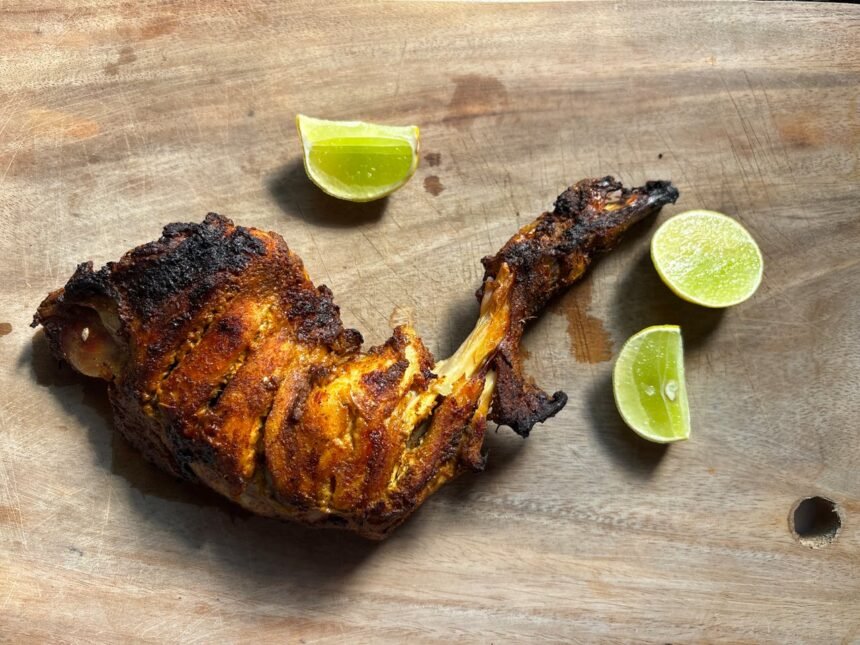
When it comes to succulent, flame-kissed poultry, few dishes command as much respect as Chicken bhatti. Originating from the bustling stalls of Indian street food, this dish is defined by its deep, earthen aroma and tender texture. Often mistaken for its cousin, Tandoori chicken, Chicken bhatti offers a unique profile characterised by a coarser spice rub and a slower roasting process that locks in moisture.
At its core, Chicken bhatti is an exemplary lean protein source. For those aiming to maintain a protein-rich diet while managing their calorie intake, understanding the nutritional value of this dish is essential. Whether you are a fitness enthusiast or simply someone who appreciates authentic global flavours, Chicken bhatti represents one of the most effective healthy cooking methods available today.
The Nutritional Profile: Why It Fits Your Health Goals
The health appeal of Chicken bhatti lies in its preparation. Unlike deep-fried alternatives, it relies on charcoal grilling to render fat away while sealing in nutrients. According to NHS guidelines, a balanced diet should include high-quality protein to support muscle repair and metabolic health.
A typical serving of this low-calorie poultry provides a significant dose of essential amino acids. Furthermore, the yoghurt marinade used to tenderise the meat acts as more than just a flavour carrier; it helps break down tough fibres, making the protein easier for your body to digest. You can learn more about the role of protein in muscle maintenance from the Mayo Clinic.
Key Benefits of Chicken Bhatti
- High Protein, Low Carb: Perfect for ketogenic or low-carbohydrate lifestyles. Check Diabetes UK for more on low-carb meal planning.
- Metabolic Boost: The thermic effect of protein means your body burns more energy digesting chicken than fats or carbs. Medical News Today explores how certain foods can boost metabolism.
- Rich in Micronutrients: Contains B vitamins, phosphorus, and selenium.
The Science of the Spice Rub
What sets Chicken bhatti apart is the use of traditional spices. These are not just for smoky flavour; they are packed with bioactive compounds. The rub typically includes garam masala, which is a blend of warming spices like cloves and cinnamon, known for their potential to regulate blood sugar levels.
The inclusion of cumin and coriander provides digestive support. Harvard Health highlights how various spices can contribute to overall wellness. Specifically, the addition of turmeric in many bhatti recipes provides curcumin, an antioxidant frequently studied for its anti-inflammatory properties, as detailed in research published by ScienceDirect.
Comparing Grilling Methods: Is Bhatti Better?
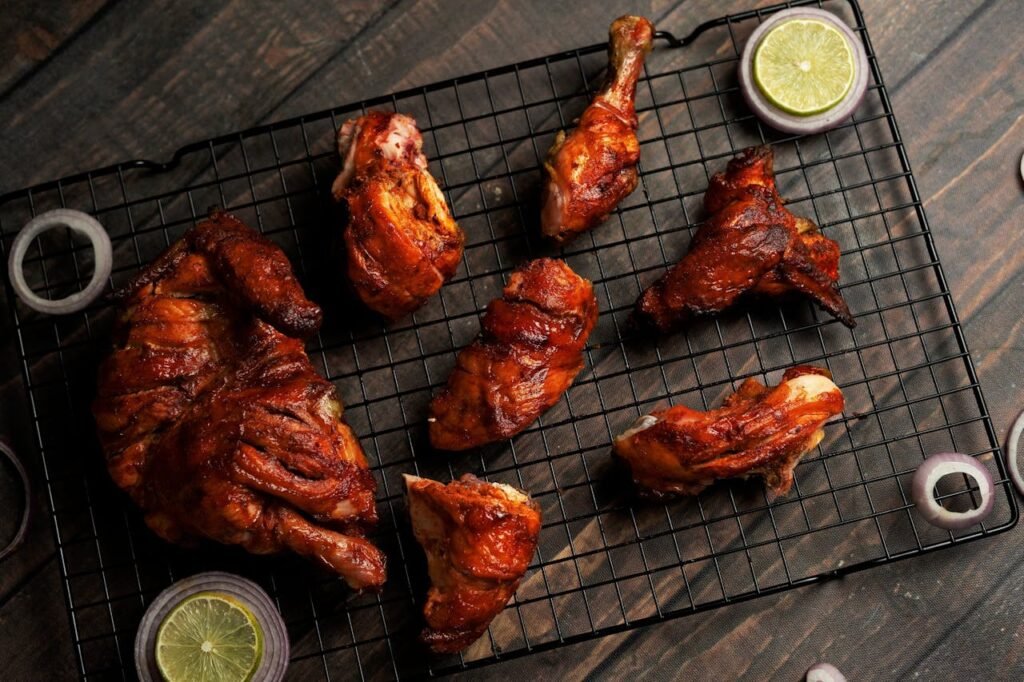
Not all grilling is created equal. The “Bhatti” (a traditional furnace or clay oven) creates a high-heat environment that differs significantly from a standard domestic oven. This intense heat ensures that the Chicken bhatti develops a charred exterior without drying out the interior.
| Cooking Method | Fat Retention | Flavour Profile | Nutrient Preservation |
|---|---|---|---|
| Deep Frying | Very High | Oily/Salty | Low |
| Standard Roasting | Moderate | Mild | Moderate |
| Chicken Bhatti | Low | Intense/Smoky | High |
By opting for these types of heart-healthy meals, you reduce the intake of saturated fats. The British Heart Foundation recommends grilling or roasting meat as a way to lower heart disease risk factors.
How to Master the Marinade at Home
While an authentic charcoal bhatti is ideal, you can replicate the essence of this dish at home by focusing on the marination process. A robust yoghurt marinade is the secret to success. Research on the benefits of yoghurt shows that its acidic nature serves as a natural tenderiser.
- Prep the Poultry: Use skinless cuts to ensure it remains a low-calorie poultry option.
- Acid and Enzyme: Combine lemon juice and ginger-garlic paste. Ginger is noted by Nature.com for its antimicrobial and digestive benefits.
- The Spice Blend: Utilise freshly ground garam masala, toasted cumin and coriander, and a hint of smoked paprika to mimic that smoky flavour.
- Resting Period: Allow the meat to marinate for at least 4 to 6 hours in the refrigerator to maximise flavour absorption.
Ensuring Food Safety and Quality
When preparing any meat, food safety standards are paramount. Ensuring that the chicken reaches the correct internal temperature is vital to prevent foodborne illnesses. The Food Standards Agency provides clear guidelines on safe cooking temperatures.
Additionally, pay attention to the source of your meat. High-quality, organic poultry often contains a better fatty acid profile. You can consult the World Health Organization for global perspectives on food hygiene and safety protocols. For those tracking every gram of their intake, Verywell Fit offers tools to calculate the exact macros of your homemade Chicken bhatti.
The Bottom Line
Chicken bhatti is a nutritional powerhouse that proves healthy eating doesn’t have to be bland. By combining lean protein source benefits with the antioxidant properties of traditional spices, it stands out as a superior choice for anyone seeking heart-healthy meals. Whether you enjoy it at a local eatery or master the charcoal grilling technique at home, this dish is a delicious way to support your wellness journey.
For more inspiration on healthy grilling techniques, the Culinary Institute of America offers resources on professional roasting methods, while EatingWell provides a variety of recipes that focus on nutrient density.
Frequently Asked Questions (FAQs)
Is Chicken Bhatti spicy?
While Chicken bhatti is rich in traditional spices like garam masala, the heat level can be adjusted. The primary focus of the dish is on the smoky flavour and aroma rather than pure chilli heat, making it accessible to most palates.
How does it differ from Tandoori Chicken?
The main difference lies in the texture and the oven used. Tandoori chicken is typically smoother and more vibrantly coloured, whereas Chicken bhatti has a more rustic, coarse spice rub and is often cooked over an open charcoal bhatti rather than inside a closed clay tandoor.
Is Chicken Bhatti suitable for a weight-loss diet?
Yes. Because it is a low-calorie poultry dish that uses healthy cooking methods like grilling instead of frying, it is an excellent choice for weight management. It provides satiety through its high protein content without excessive fats.
Can I make Chicken Bhatti in a standard oven?
While you won’t get the exact smoky flavour of charcoal grilling, you can use a high-heat oven setting or a grill function. Adding a small piece of hot charcoal to a bowl of oil inside the container (the “dhungar” method) can help replicate that authentic scent.