Coconut charcoal teeth whitening has become a massive trend across social media platforms in recent years. You have likely seen videos of people with pitch-black smiles scrubbing away with a mysterious powder. It might look messy, but this substance is actually a highly processed form of carbon.
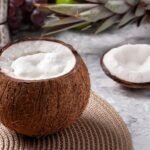
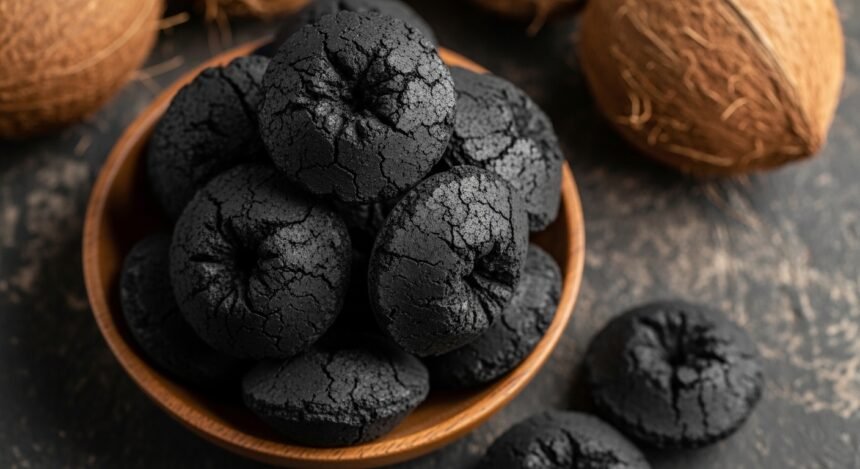
Specifically, it is derived from high-quality coconut shells. These shells are burnt at extreme temperatures to create a fine, black dust known as activated charcoal. This is not the same as the charcoal you would use on a backyard barbecue.
The process of activation makes the charcoal extremely porous. This allows it to bind to certain substances on a molecular level. Today, we will explore whether this natural teeth whitening alternative is truly effective for your oral health. Using natural products is a priority for many, but safety should always come first.
Check out our comprehensive guide to dental and oral health for more foundational tips. In this article, we will dive deep into the science, the risks, and the benefits of using coconut charcoal on your teeth.
Table of Contents: Key Takeaways
| Section | Key Information |
|---|---|
| How it Works | Adsorption of surface stains. |
| The Benefits | Effective for coffee and tea removal. |
| The Risks | Potential enamel erosion. |
| How to Use | Gentle brushing techniques. |
| Safety Tips | Don’t replace fluoride. |
The Science: How Adsorption Works
When you use activated charcoal powder for teeth, you are relying on a process called adsorption. Note the ‘d’ instead of the ‘b’. Adsorption means that particles stick to the surface of the charcoal rather than being absorbed into it.
Activated charcoal has a massive surface area relative to its size. In fact, a single gram of activated charcoal can have a surface area of over 3,000 square metres. This creates thousands of tiny pores that act as a vacuum for toxins and debris.
When you are brushing with charcoal, the powder binds to extrinsic stains. These are the stains found on the outer layer of your teeth. These often come from pigmented foods and drinks. You can learn more about activated charcoal and its various medical uses here.
According to the British Dental Journal, charcoal is effective at lifting these surface-level discolourations. However, it cannot change the natural colour of your dentin. Dentin is the layer beneath your enamel that determines your tooth’s internal hue.
Why Coconut Shells?
There are many sources of charcoal, including wood, peat, and coal. However, coconut shell charcoal benefits are often touted as superior. Coconut shells produce a charcoal with a higher density of micropores. These micropores are the perfect size for trapping the small molecules found in food stains.
Additionally, coconut charcoal is considered more sustainable and eco-friendly. It is a renewable resource that doesn’t require the felling of trees. This makes it a popular choice for non-toxic teeth whitening enthusiasts.
Benefits of Coconut Charcoal for Teeth
The primary draw of this method is surface stain removal. Over time, our teeth accumulate pigments from dark liquids like red wine and coffee. Coconut charcoal teeth treatments are designed to lift these pigments away before they set deep into the enamel.
Many users report a noticeably brighter smile after just a few uses. This is because the black teeth whitening powder provides a mild abrasive effect. This physical scrubbing action helps to clear away film and plaque. For more on whitening teeth at home, visit our guide on charcoal teeth whitening.
- Removes Coffee and Tea Stains: The porous nature of the charcoal is excellent at binding to tannins.
- Improves Breath: By binding to bacteria, it may help reduce oral malodour.
- Cost-Effective: It is significantly cheaper than professional laser treatments.
- Chemical-Free: It lacks the bleaches found in many commercial strips.
Using it as a coconut charcoal detox for the mouth can feel refreshing. It targets the oral microbiome and helps maintain a cleaner environment. You can read more about the mouth microbiome and its importance here.
Potential Risks and Side Effects
While natural, charcoal dental care is not without its controversies. The American Dental Association (ADA) has expressed concerns regarding its long-term use. The main issue is coconut charcoal abrasiveness.
If a substance is too abrasive, it can wear down your enamel over time. Enamel is the hard, protective outer layer of your teeth. Once it is gone, it does not grow back. This can lead to teeth sensitivity charcoal users often complain about.
When the enamel wears thin, the yellowish dentin underneath becomes more visible. Ironically, overusing charcoal can make your teeth look more yellow in the long run. Check out the symptoms of enamel erosion to see if you are at risk.
The Lack of Fluoride
Most charcoal products do not contain fluoride. Fluoride is a mineral that is clinically proven to prevent cavities. It helps in the remineralisation of teeth, making them resistant to acid attacks. If you swap your regular toothpaste for charcoal entirely, you may increase your risk of decay.
According to the NHS, fluoride is essential for maintaining strong teeth across all ages. We recommend using charcoal as a supplement rather than a replacement. Keeping your plaque and tartar under control requires a balanced routine.
Gum Irritation
The particles in activated charcoal powder for teeth can be quite gritty. If they get trapped under the gum line, they can cause inflammation. This might lead to gum disease or receding gums if used too aggressively.
How to Use Coconut Charcoal Safely
If you decide to try it, you must prioritise activated charcoal enamel safety. Do not use the powder every day. Experts suggest using it no more than once or twice a week.
Follow these steps for a safer experience:
- Choose a fine powder: Ensure the product is specifically designed for oral use.
- Use a soft toothbrush: This reduces the mechanical wear on your enamel.
- Dab, don’t scrub: Apply the powder gently to the surface of your teeth.
- Rinse thoroughly: Ensure no black residue is left in the crevices of your gums.
- Follow up with fluoride: Brush with normal toothpaste afterward to provide protection.
If you have sensitive teeth, you should proceed with extreme caution. You can learn more about managing sensitive teeth through our dedicated resource. It is also wise to consult a dentist before starting any new charcoal oral health regime.
For a deeper look at charcoal toothpaste safety, the NCBI provides several peer-reviewed studies. These studies highlight that while charcoal is popular, more clinical evidence is needed to confirm its long-term benefits compared to traditional methods.
Charcoal vs. Professional Whitening
How does coconut charcoal compare to professional options? Professional whitening usually involves hydrogen peroxide. This chemical penetrates the tooth to change the internal colour. Charcoal only works on the surface.
The Mayo Clinic notes that professional treatments are much more predictable. However, they can also cause more immediate sensitivity. Many people prefer whitening teeth naturally to avoid harsh chemicals.
If you want to achieve white teeth safely, consider a combination of methods. Maintaining good brushing techniques is the most important factor. You can also explore other ways of getting white teeth through diet and hygiene.
Frequently Asked Questions
Does coconut charcoal actually whiten teeth?
Yes, it can make teeth appear whiter by removing surface stains from coffee, tea, and tobacco. It does not bleach the teeth, so it will not change your natural base shade.
Is it safe to use charcoal every day?
No, daily use is not recommended. Its abrasive nature can wear down your enamel. Limit use to once or twice a week to ensure activated charcoal enamel safety.
Can I use it if I have crowns or veneers?
You should be careful. Charcoal can scratch the surface of porcelain or composite resin. According to WebMD, it is best to avoid using abrasives on dental restorations.
What is the best type of charcoal for teeth?
Look for products labelled as “activated” and “food grade.” Coconut shell charcoal benefits include a finer particle size which is generally less abrasive than wood-based charcoal.
Does it cause any mess?
Yes, the powder is very fine and can stain clothes and bathroom sinks. It is often easier to use charcoal-infused toothpaste rather than raw powder to minimise the mess.
Can children use charcoal for their teeth?
It is generally not recommended for children. Their enamel is still developing and is more susceptible to damage. Consult the Oral Health Foundation for pediatric advice.
The Bottom Line
Coconut charcoal teeth whitening is a popular and affordable way to brighten your smile at home. It is particularly effective for those who consume lots of staining foods and drinks. However, it is not a miracle cure for discolouration.
You must weigh the benefits against the risks of enamel thinning and gum irritation. Always look for high-quality products and avoid aggressive scrubbing. To maintain a healthy smile, nothing replaces a consistent routine of brushing with fluoride toothpaste and flossing.
For more information on dental products, visit Medical News Today or check the latest research on ScienceDirect. You can also find independent reviews on health topics at Cochrane Library. For advice on overall health, The Guardian often features expert dental columns.
Ultimately, charcoal dental care can be a useful tool when used in moderation. Pair it with a healthy lifestyle and regular dental checkups for the best results. For more details on maintaining your grin, read our guide on oral hygiene. Your smile is your best asset—take care of it wisely.