If you are looking for a tough, natural way to keep your floors clean or improve your garden, you might want to look at a coconut. Yes, the same fruit that gives us milk and oil also provides a very strong material called coir. A coconut fibre mat is one of the most useful items you can buy for your home.
These mats are famous for their rough texture. They are brilliant at scraping mud off boots. But their use goes far beyond just the front door. Gardeners love them too. They help plants grow and stop soil from washing away.
In this article, we will explore why coconut husk floor covering choices are becoming so popular in the UK. We will look at how they help the planet and how to look after them properly.
Key Takeaways
* Natural Origin: Coir is made from the hairy husk of coconuts, making it a 100% renewable resource.
* Tough Cleaning: The coarse fibres are excellent at removing dirt and moisture from shoes.
* Garden Helper: In the garden, these mats stop weeds and keep soil moist.
* Biodegradable: Unlike plastic mats, coir breaks down naturally and can be composted.
* Easy Care: Regular shaking and brushing keep these mats in top condition.
What Is a Coconut Fibre Mat?
A coconut fibre mat is made from coir. Coir is the natural fibre found between the hard inner shell and the outer coat of a coconut. It is a by-product of the food industry. This means we do not need to cut down trees or grow special crops just to make it.
Historically, people in places like India and Sri Lanka have used coir for centuries. They use it to make ropes, brushes, and mattresses. The process of traditional woven coir manufacturing involves soaking the husks in water to soften them. This is called retting. After that, the fibres are separated and spun into strong yarn.
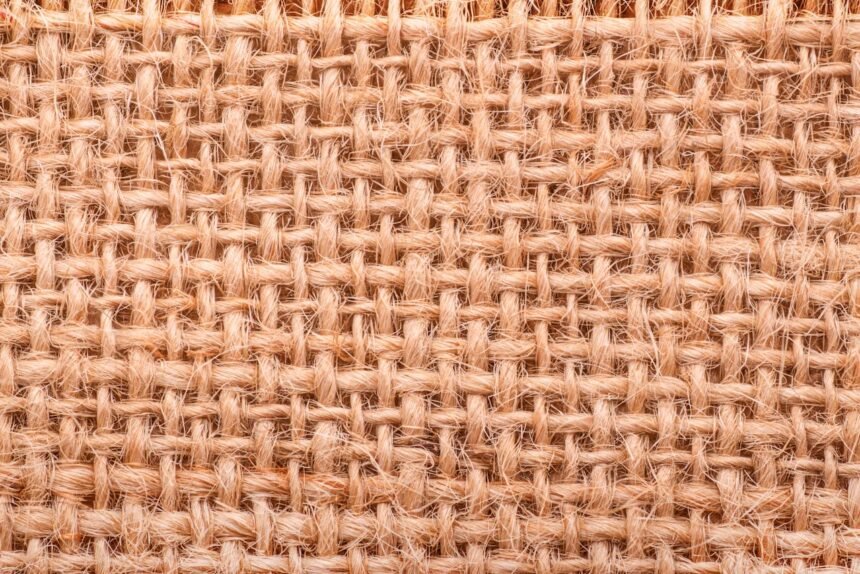
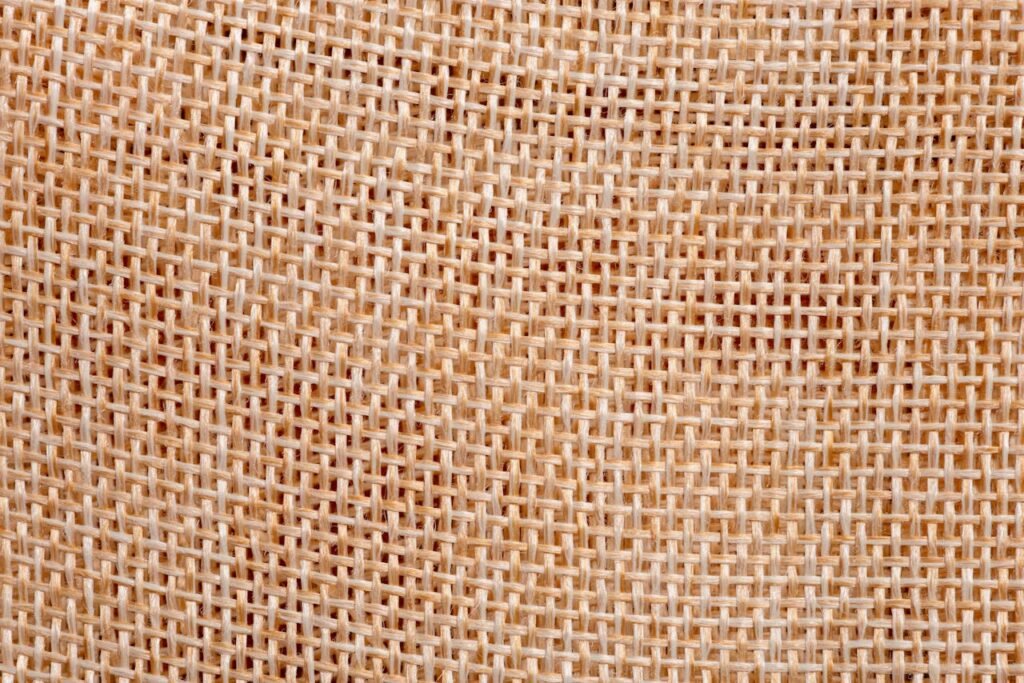
This yarn is then woven into the thick, golden-brown mats you see in shops. Because the material is naturally tough, it does not wear out easily. It is also resistant to rot and saltwater. This makes it perfect for the damp UK weather.
For more on the history and uses of the coconut plant, you can visit Kew Gardens to learn about this amazing species.
Top Benefits of Using Coir in the Garden
Coir is not just for your hallway. It is a superhero in the garden. Many expert gardeners are switching to coir products to replace peat and plastic.
1. Controlling Soil Erosion
If you have a garden with a slope, rain can wash the soil away. This is bad for your plants. You can use coir erosion control netting to stop this. The netting holds the soil in place while plants grow their roots. Over time, the netting breaks down and adds food to the soil.
2. Stopping Weeds Naturally
Weeds are a nuisance for any gardener. Instead of using chemical sprays, you can place coir weed suppression discs around the base of your trees or shrubs. These discs block sunlight, which stops weeds from growing. However, they still let water and air reach the soil. This is a safe method recommended by organic growers. The Soil Association supports using organic methods to manage pests and weeds.
3. Saving Water
Gardening in summer can be hard work if you have to water plants constantly. Coir is like a sponge. It holds water very well. Coconut coir moisture retention is excellent. If you use coir mats or pots, the soil stays damp for longer. This means you do not have to water as often.
4. Replacing Peat
For years, gardeners used peat moss. But digging up peat damages the environment. The UK government is moving to ban peat sales to protect our bogs. You can read about the peat ban on Gov.uk. Coir is the perfect alternative because it works in a very similar way.
Why Coir Makes the Best Natural Doormat
When you think of a doormat, you probably picture a coir mat. There is a good reason for this. It is simply the best material for stopping dirt.
Unbeatable Scraping Power
The stiff bristles of a coir mat act like a scrubbing brush. When you wipe your feet, the fibres dig into the treads of your shoes. They pull out mud, grit, and sand. Sustainable mud scraper mats made of coir are essential if you live in the countryside or have an active family. They stop dirt from being tracked onto your nice carpets.
Absorbs Moisture
It rains a lot in the UK. Wet shoes can make hard floors slippery and ruin wooden floorboards. Coir absorbs water quickly. Heavy duty outdoor coir matting can handle heavy rain and wet boots without becoming soggy. This helps keep your indoor floors dry and safe.
Aesthetic Appeal
Coir has a warm, natural look. It fits well with both modern and traditional homes. You can find plain mats or ones with fun designs. Natural fibre hallway runners add a rustic charm to your entrance. They make guests feel welcome the moment they step inside.
Sustainability: Is Coconut Fibre Good for the Planet?
We all want to make better choices for the environment. Plastic pollution is a huge problem. You can see the scale of the issue at Greenpeace UK. Choosing coir is a great step away from plastic.
Biodegradable and Compostable
Synthetic mats are made from nylon or rubber. When you throw them away, they sit in a landfill for hundreds of years. Coir is different. It is plant material. When a coir mat is old and worn out, it will rot away naturally. You can even cut up compostable garden mulch mats and put them in your compost bin.
Renewable Source
Coconuts grow back every year. We do not destroy the tree to harvest the fibre. This makes coir a renewable resource. The production of coir supports farmers in developing countries, often providing a vital second income from the coconut harvest. To understand more about ethical buying, check out Ethical Consumer.
Comparing Coir to Synthetic Alternatives
It is helpful to compare coir with man-made mats to see the difference.
Synthetic Mats:
* Made from oil-based plastics.
* Often cheaper to buy initially.
* Can trap bad smells.
* Shed microplastics into the water system when washed.
Coir Mats:
* Made from coconut husks.
* Strong and long-lasting.
* Naturally antibacterial.
* No harmful chemicals.
If you are looking for eco-friendly entrance matting solutions, coir is the clear winner. While a rubber mat might last a long time, it does not have the same environmental benefits. Plus, coir looks much nicer on your doorstep.
How to Clean and Maintain Your Mat
Coir mats are very durable, but they do need some care. Because they are natural, you cannot just throw them in the washing machine. Here are some biodegradable doormat cleaning tips to help yours last longer.
Regular Shaking
The best way to clean a coir mat is to pick it up and give it a good shake outside. Do this once a week. This releases all the dried mud and dust trapped deep in the fibres. You can also bang it against a wall to loosen stubborn dirt.
Brushing
Use a stiff garden brush to sweep the mat. This perks up the fibres and removes surface dust. If you have pet-friendly natural door mats, brushing is great for removing dog or cat hair.
Spot Cleaning
If you spill something on the mat, do not soak it. Water can cause the backing to rot if it stays wet for too long. Instead, use a damp cloth and a mild soap. Dab the stain gently. Let the mat dry completely in the sun before you put it back down.
Avoid Constant Rain
While coir handles moisture well, it should not stay soaking wet for days. Ideally, place your coir mat in a sheltered porch. If you use it in the garden, make sure it has good drainage. The RHS offers great advice on using organic materials in the garden and keeping them in good condition.
Potential Drawbacks to Consider
No product is perfect. There are a few things to keep in mind before you buy.
Shedding
When a coir mat is new, it will shed loose fibres. This is normal. You might find golden dust on your floor for the first few weeks. Regular vacuuming helps. However, if you have very sensitive allergies, you might prefer hypoallergenic natural fibre flooring like wool or cotton inside the house. You can learn more about indoor allergens at Allergy UK.
Thickness
Coir mats are often quite thick. Before you buy one, check the gap under your door. If the gap is small, the door might get stuck on the mat. You need to measure carefully.
Rotting
As mentioned, coir is biodegradable. This is good for the planet, but it means the mat will eventually rot. If you leave a coir mat sitting in a puddle of water, it will break down faster. Proper drainage is key.
Where to Use Coconut Fibre Mats in Your Home
You can use these versatile mats in many places.
* Front Door: The classic spot. Use a thick mat here to stop mud.
* Back Door: Perfect for wiping paws. Indoor non-slip coir rugs are great here to prevent accidents.
* Conservatory: Connects the garden to the house. A coir mat creates a nice transition.
* Greenhouse: Use coir matting on benches. Coir potting mix benefits your seedlings by keeping humidity high.
* Garden Beds: Use mats to suppress weeds around fruit bushes. The Wildlife Trusts encourage using natural mulches like this to help garden wildlife.
The Bottom Line
A coconut fibre mat is a smart choice for any UK home. It is tough on dirt, looks beautiful, and is kind to the planet. Whether you need a doormat to keep your hallway clean or a mulch mat to help your garden grow, coir is the answer.
By choosing coir, you are reducing plastic waste. You are also supporting a traditional industry. Remember to shake your mat regularly and keep it as dry as possible. If you do this, it will serve you well for years. When it is finally time to replace it, you can simply put it in the compost. Recycling garden waste is easy, as explained by Recycle Now.
Switching to natural materials is a small change, but it makes a big difference. Give your home a natural upgrade with coconut fibre today.