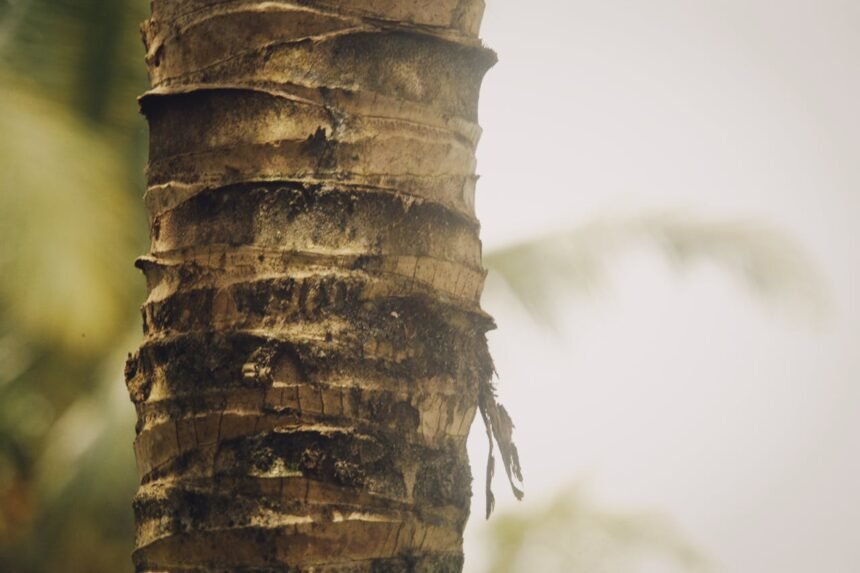
Are you looking for a flooring option that is as kind to the planet as it is beautiful to the eye? Coconut wood flooring is rapidly becoming a top choice for eco-conscious homeowners across the UK. Often referred to as ‘palm wood’, this unique material offers a striking alternative to traditional hardwoods. It is not just about looks; it is a choice that impacts your home environment and the world at large. Choosing non-toxic floors is vital for maintaining good indoor air quality.
In this guide, we will explore everything you need to know about this exotic, resilient material.
| Feature | Description |
|---|---|
| Material | Senile coconut palm trunks |
| Hardness | Comparable to mahogany or oak |
| Sustainability | Extremely high (uses waste product) |
| Appearance | Dark, speckled grain patterns |
| Eco-Rating | Excellent for green building materials |
What Exactly is Coconut Wood?
Coconut wood flooring is not actually made from a standard tree.
It comes from the coconut palm tree, known scientifically as Cocos nucifera.
Unlike oaks or maples, palms are monocots, meaning they are biologically closer to grass than to hardwood trees.
This unique structure gives coconut timber its signature appearance and remarkable strength.
The wood is harvested from senile palm trees that have reached the end of their fruit-bearing life.
Typically, these trees are between 60 and 80 years old when they are felled for timber.
By repurposing these trees, we turn a byproduct of the agricultural industry into high-quality resilient flooring materials.
The Sustainability of Palm Wood
The environmental impact of our homes is more important than ever.
According to the World Wildlife Fund (WWF), deforestation remains a critical threat to global biodiversity.
Traditional hardwoods like teak or mahogany can take centuries to grow, often leading to habitat loss when harvested.
In contrast, sustainable palm wood is a renewable resource that grows relatively quickly.
When coconut palms stop producing nuts, they are often burned or left to rot by farmers.
Using this wood for eco-friendly flooring prevents the release of carbon dioxide during burning.
It also provides an additional income stream for farmers in tropical regions.
Supporting sustainable living benefits both your personal ethics and the global climate.
The Role of Certification
When shopping for green building materials, look for proper certification.
The Forest Stewardship Council (FSC) provides guidelines for responsible forest management.
While palm wood is an agricultural byproduct, ensuring fair trade and ethical harvesting is still essential.
Reputable suppliers will be transparent about the origin of their reclaimed coconut wood.
Types and Densities of Coconut Wood Flooring
Not all coconut wood is created equal.
The density of the wood varies significantly depending on which part of the trunk is used.
- High-Density Wood: Taken from the outer perimeter of the trunk. It is the hardest and most durable.
- Medium-Density Wood: Taken from the middle section. Often used for furniture or wall panelling.
- Low-Density Wood: Taken from the soft core. This is mostly used for insulation or non-structural items.
For high-traffic areas, always ensure you are purchasing high-density coconut wood flooring.
This density ensures that your floors can withstand the daily wear and tear of a busy household.
According to ScienceDirect, the outer timber can be harder than many traditional hardwoods.
Aesthetics and Natural Wood Patterns
One of the biggest draws of coconut wood is its flooring aesthetics.
The wood does not have growth rings like traditional timber.
Instead, it features dark, quill-like vascular bundles embedded in a lighter background.
This creates stunning natural wood patterns that look exotic and sophisticated.
The colour palette ranges from a light golden tan to a deep, chocolate brown.
Because it is a natural product, every plank is unique, adding character to your home renovation ideas.
Creating an aesthetically pleasing home can significantly impact your mental well-being.
Health Benefits of Coconut Wood Flooring
Your choice of flooring can directly affect your physical health.
Many synthetic carpets and cheap laminates contain environmental toxins.
These can off-gas over time, leading to poor air quality and potential respiratory issues.
Non-toxic floors made from natural materials help reduce your exposure to these chemicals.
Improving Indoor Air Quality
Coconut wood is naturally hypoallergenic.
Unlike carpets, it does not trap household dust mites, pollen, or pet dander.
This makes it an excellent choice for individuals focused on allergy management.
Keeping your floors clean and free of allergens can help in managing asthma triggers.
For the best results, look for planks finished with low VOC finishes.
VOCs, or Volatile Organic Compounds, are chemicals that can cause headaches and nausea.
Reducing VOC exposure is a key step in creating a healthy home sanctuary.
Pros and Cons of Coconut Wood
Every flooring material has its advantages and trade-offs.
Understanding these will help you make an informed decision for your space.
The Advantages
- Durability: High-density palm wood is exceptionally tough and scratch-resistant.
- Eco-Friendly: It is one of the most sustainable tropical hardwood alternative options available.
- Unique Style: The ‘porcupine’ grain pattern is unlike any other wood.
- Stability: It is less likely to warp or shrink compared to some traditional woods.
The Potential Downsides
- Cost: Because it is often imported, it can be more expensive than local pine or oak.
- Maintenance: It requires specific care to maintain its lustre and prevent drying out.
- Availability: It might be harder to find in local shops compared to standard laminate.
Choosing the right material can help in reducing stress at home by knowing your investment is sound.
Installation and Home Renovation Ideas
Installing coconut wood flooring is similar to installing other hardwoods.
Most planks come in a tongue-and-groove format, allowing for a secure fit.
It is crucial to allow the wood to acclimate to your home’s humidity for at least 48 to 72 hours before installation.
Proper acclimation prevents the wood from expanding or contracting excessively after it is laid.
The National Wood Flooring Association recommends hiring a professional if you are not experienced with hardwood installs.
A well-installed floor can improve healthy sleep hygiene by creating a clean, calm bedroom environment.
Maintenance and Long-Term Care
To keep your durable flooring options looking new, follow a simple care routine.
Sweep or vacuum regularly using a soft brush attachment to remove grit.
Use a damp—not soaking wet—mop with a pH-neutral cleaner designed for wood.
Avoid harsh chemicals that can strip the natural oils from the coconut timber.
According to the Timber Trade Federation, proper maintenance can extend the life of wood floors by decades.
Protecting your floor from direct sunlight will also prevent fading over time.
A tidy and well-maintained home is linked to improving focus and productivity.

Comparing Coconut Wood to Other Materials
How does coconut wood stack up against its competitors?
Coconut vs. Bamboo
Both are highly sustainable and technically grasses.
However, coconut wood often has a deeper, more varied aesthetic compared to the uniform look of bamboo.
Coconut wood is also frequently considered more ‘exclusive’ due to its unique grain.
Coconut vs. Traditional Oak
Oak is a classic choice, but it grows much slower than palm trees.
In terms of hardness, high-density coconut wood can be tougher than red oak.
While oak offers a traditional look, coconut wood provides a modern, eco-conscious home decor vibe.
The National Geographic often highlights these alternatives in their sustainability reports.
Cost and Value
Investing in coconut wood flooring is a long-term commitment.
Prices usually range from £40 to £80 per square metre, depending on density and finish.
While the initial cost is higher than laminate, the longevity and health benefits add significant value.
It can also increase the resale value of your home, as buyers increasingly look for green features.
Organizations like the BRE Group provide research into the long-term viability of sustainable materials.
Frequently Asked Questions
Is coconut wood flooring waterproof?
No, like all natural wood, it is not waterproof. It is moisture-resistant but can be damaged by standing water.
Does it require special tools to cut?
Because high-density palm wood is very hard, you will need high-quality carbide-tipped blades for your saws.
Is it suitable for underfloor heating?
Generally, yes, but you must consult with the manufacturer as some finishes may be sensitive to heat.
Where can I buy sustainable palm wood?
Look for specialised flooring retailers that focus on eco-friendly and reclaimed materials.
Checking the International Union for Conservation of Nature (IUCN) reports can help you understand the importance of choosing non-endangered species.
The Bottom Line
Coconut wood flooring is a brilliant blend of sustainability, durability, and exotic beauty.
By choosing this tropical hardwood alternative, you are supporting global ecology and your own family’s health.
From its origins in senile palm trees to its role in respiratory health, it is a superior choice for the modern home.
Embrace the unique grain and resilient nature of this material for your next home renovation ideas.
For more information on global sustainability efforts, visit the United Nations Sustainable Development site or the Global Footprint Network.