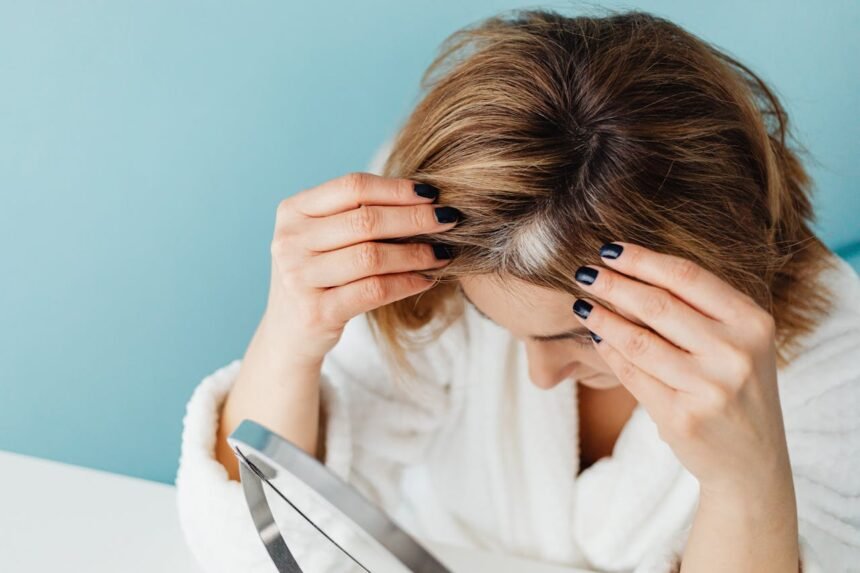
There is a specific feeling of euphoria that comes from walking out of a salon with freshly colored hair. Whether you have opted for a rich brunette glaze, a vibrant copper, or icy platinum highlights, that fresh color represents a significant investment of both time and money. However, for many, that euphoria is short-lived as the vibrancy begins to dull after just a few washes. The culprit is often hiding in plain sight in your shower caddy: sulfates.
Understanding the chemistry behind hair cleansing is crucial for maintaining that salon-fresh look. If you have ever wondered why use sulfate free shampoo for colored hair, the answer lies in the delicate balance between effective cleansing and abrasive stripping. In this comprehensive guide, we will explore the science of surfactants, the benefits of gentle cleansing, and how making the switch can revolutionize your hair care routine.
The Science of Suds: What Are Sulfates?
Sulfates are a type of surfactant (surface-active agent) used primarily as cleaning and foaming agents. When you squeeze a dollop of traditional shampoo into your hand and work it into a rich, bubbly lather, that foam is created by sulfates. The most common forms found in personal care products are Sodium Lauryl Sulfate (SLS) and Sodium Laureth Sulfate (SLES).
According to Wikipedia, these chemical compounds are amphiphilic, meaning they contain both water-loving and oil-loving parts. This structure allows them to bind to sebum (oil) and dirt on your scalp and hair, which is then rinsed away with water. While effective at cleaning, they are often too aggressive for chemically treated hair.
The Problem with the Strip-Down
The primary issue with sulfates in the context of colored hair is that they do not discriminate between unwanted dirt and the essential natural oils or color molecules you want to keep. Sulfates are essentially heavy-duty detergents. The American Academy of Dermatology notes that harsh shampoos can strip natural moisture, leading to dry, brittle strands. When the hair shaft is dry, the cuticle (the outer layer) roughens and lifts, allowing color molecules to escape more easily.
Why Use Sulfate Free Shampoo for Colored Hair?
The transition to sulfate-free formulas is not just a marketing trend; it is a scientifically backed move toward gentler hair preservation. Here is why making the switch is imperative for color maintenance.
1. Preserving the Cuticle and Color Molecules
Hair dye works by penetrating the hair cuticle to deposit pigment into the cortex. Traditional sulfate shampoos are anionic surfactants with a high pH that can cause the cuticle to swell and lift. When the cuticle lifts, the color pigment washes out. Sulfate-free shampoos generally have a lower pH and milder cleansing agents that keep the cuticle flat and smooth. This seals the color in, significantly extending the life of your dye job.
2. Retention of Natural Moisture
Chemical processing, particularly bleaching, increases the porosity of hair, making it prone to dryness. As highlighted by Healthline, sulfates strip away the scalp’s natural lipid layer. Sulfate-free options clean the hair without removing these vital lipids, ensuring the hair remains hydrated. Hydrated hair reflects light better, making your color appear shinier and more vibrant.
3. Reduced Scalp Irritation
Coloring hair involves applying chemicals to the scalp, which can already cause sensitivity. Following this up with harsh detergents can exacerbate irritation. The Mayo Clinic identifies contact dermatitis as a common reaction to irritants in personal care products. Sulfate-free formulas are much milder, reducing the risk of inflammation and itchiness, promoting a healthier environment for hair growth.

Comparative Analysis: Traditional vs. Sulfate-Free
To visualize the difference, we have compiled a breakdown of how these two types of cleansers perform across critical metrics.
| Feature | Traditional Sulfate Shampoo (SLS/SLES) | Sulfate-Free Shampoo |
|---|---|---|
| Primary Cleansing Agent | Harsh detergents (Sulfates) | Mild surfactants (Glucosides, Isethionates) |
| Lather/Foam | Rich, bubbly, high-volume foam | Creamy, low-lather, or no-foam |
| Sebum Removal | Aggressive; strips all oils | Moderate; retains essential lipids |
| Color Fading Risk | High; lifts cuticle and extracts pigment | Low; seals cuticle and preserves pigment |
| Scalp Sensitivity | Potential for irritation and dryness | Gentle; soothing for sensitive scalps |
| Ideal Hair Type | Very oily, non-treated hair | Colored, dry, curly, or frizzy hair |
Identifying the Right Ingredients
Just because a bottle says “sulfate-free” does not mean it effectively cleanses. You need to look for alternative surfactants that clean effectively without the damage. The Cosmetics Info database is a great resource for researching ingredients, but here is a cheat sheet of gentle cleansers to look for on the label:
- Sodium Cocoyl Isethionate: Derived from coconut oil, known for its mildness.
- Coco-Glucoside: A gentle cleanser suitable for sensitive skin.
- Disodium Laureth Sulfosuccinate: A large molecule that cannot penetrate the skin or hair shaft, making it non-irritating.
- Decyl Glucoside: Often used in baby products for its extreme gentleness.
Conversely, be wary of “green-washing.” Some products claim to be natural but may contain other drying agents like short-chain alcohols or high concentrations of sodium chloride (salt), which acts as a thickener but can dehydrate hair.
The “Lather Myth” and The Transition Period
One of the biggest hurdles consumers face when asking why use sulfate free shampoo for colored hair is the sensory experience. We have been conditioned to believe that more foam equals more clean. This is a myth.
According to ScienceDirect, foaming capacity does not necessarily correlate with cleaning power. When you switch, you might notice the shampoo doesn’t lather as much. This is normal. It requires a mechanical adjustment—you may need to spend a little more time massaging the product into your scalp to break down dirt manually.
Furthermore, there may be a “transition period” for your scalp. If you have been using sulfates for years, your scalp may be overproducing oil to compensate for being stripped dry daily. When you switch to a gentle cleanser, it may take a few weeks for your scalp’s oil production to regulate. This is often discussed in detail by experts at Byrdie, who recommend sticking with the routine for at least a month to see true results.
Environmental and Health Considerations
Beyond personal vanity, there is an environmental argument for ditching sulfates. Many sulfates are derived from petroleum or palm oil, industries fraught with sustainability concerns. Furthermore, the EPA monitors ingredients for aquatic toxicity. While sulfates are biodegradable, the manufacturing process of SLES can create 1,4-dioxane, a potential carcinogen, though the FDA monitors these levels to ensure they stay within safety limits. Choosing sulfate-free options often aligns with cleaner, more eco-conscious beauty standards.
Expert Tips for Washing Colored Hair
To maximize the benefits of your sulfate-free shampoo, follow these professional tips:
- Water Temperature Matters: Always wash with lukewarm or cool water. Hot water opens the cuticle, allowing color to escape, regardless of the shampoo you use. (Source: WebMD)
- Focus on the Scalp: Apply shampoo primarily to the roots. As you rinse, the suds will run down the lengths of your hair, cleaning them gently without scrubbing.
- Frequency: Try to extend the time between washes. Use a dry shampoo in between to absorb excess oil.
- Conditioning is Key: Always follow up with a color-safe conditioner to close the cuticle and lock in moisture.
Conclusion: A Worthy Investment for Your Mane
Ultimately, the question isn’t just why use sulfate free shampoo for colored hair, but rather, why risk your investment with anything else? While the lack of massive bubbles might take some getting used to, the payoff is undeniable: longer-lasting color, a healthier scalp, and hydrated, glossy strands.
By understanding the ingredients on your bottle and choosing gentle surfactants, you are taking a proactive step in your hair care journey. Don’t let your beautiful color wash down the drain. Check your shampoo label today, ditch the harsh detergents, and embrace the gentle power of sulfate-free care. Your hair will thank you.